Imagine stepping into the shower only to be met with a blast of cold water because someone else in the house used up all the hot water. This scenario, all too common with traditional tank water heaters, can be avoided altogether with a tankless water heater. These innovative devices heat water on demand, ensuring you always have a steady supply of hot water when you need it.
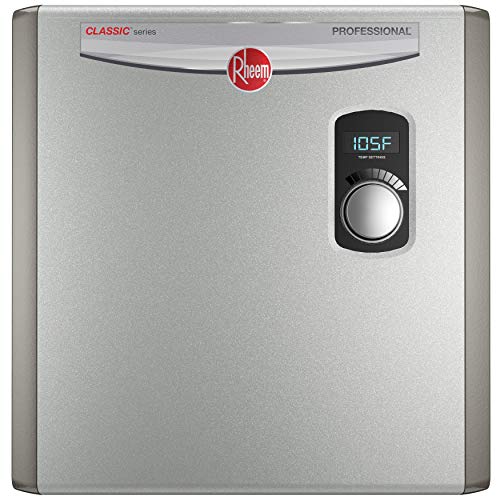

When choosing a tankless water heater, several factors come into play, including flow rate, energy efficiency, and installation requirements. A great tankless water heater should not only meet your household’s hot water demands but also save space and reduce energy costs over time.
This roundup highlights the best tankless water heaters of 2026, focusing on their unique strengths and ideal use cases. Whether you have a large family or need a compact model for a small apartment, there’s something for everyone.
Below is a quick comparison of key specifications for our top picks:
| Features | Rheem 18kW | Stiebel Eltron Tempra 24 | Rheem RTEX-24 | CAMPLUX 4.5kW |
|---|---|---|---|---|
| Flow Rate | Up to 4.4 GPM | Continuous Flow | Up to 5.9 GPM | 1.0 GPM |
| Temperature Range | 80°F – 140°F | 68°F – 140°F | 80°F – 140°F | 50°F rise |
| Wattage | 18 kW | 24 kW | 24 kW | 4.5 kW |
| Mount Type | Wall-mounted | Wall-mounted | Wall-mounted | Point of Use |
| Installation | Simple | No venting required | Requires 240V | Hard wired |
Rheem 18kW 240V Tankless…

Rheem
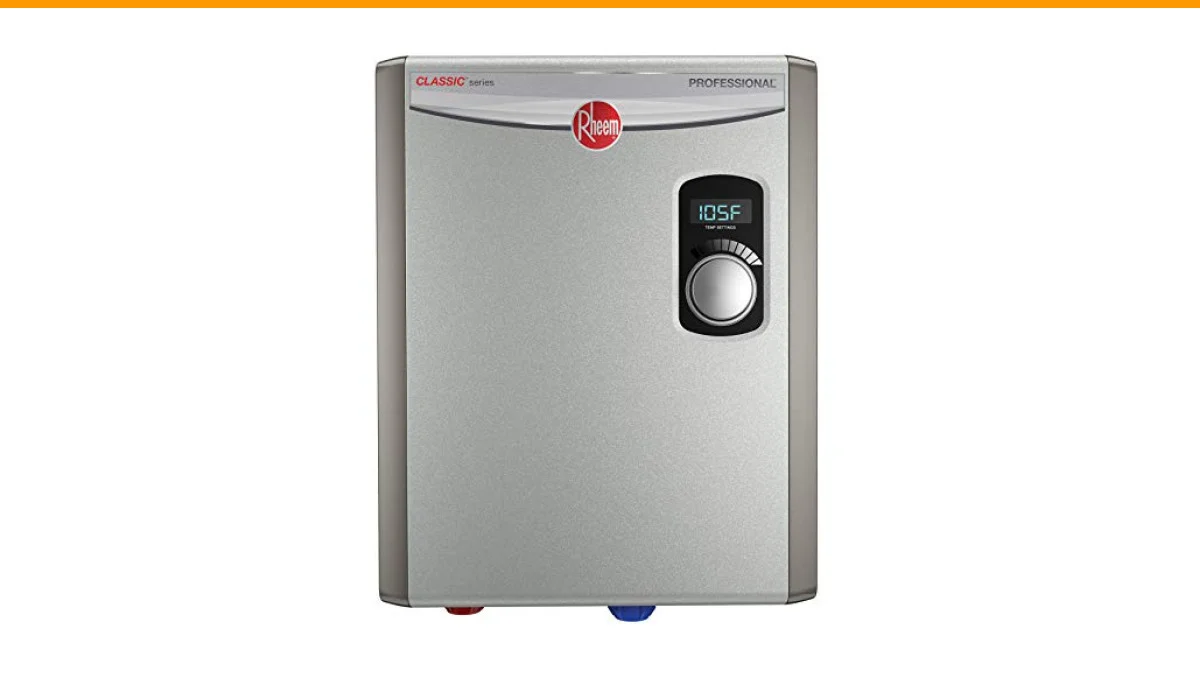
Rheem 18kW 240V Tankless Electric Water Heater, Gray
- External digital thermostatic control with LED display (+/1 degree accuracy)
- Most advanced self-modulation, adjust power to meet hot water demand
- Durable Copper immersion two heating elements, field Serviceable. Flow Rate- up to 4.4 GPM
The Rheem 18kW is an excellent choice for families or homes that require a reliable hot water supply without the bulk of a traditional tank. With a flow rate of up to 4.4 GPM, it caters to multiple fixtures simultaneously, making it ideal for medium-sized households.
This model’s standout feature is its external digital thermostatic control. This allows users to set temperatures with precision, ensuring comfort and efficiency. Its self-modulation technology adjusts power based on hot water demand, potentially leading to energy savings.
While the Rheem 18kW performs well in most scenarios, it may not be the best fit for larger households with higher simultaneous hot water demands. Users should also ensure their electrical system can support the unit’s requirements.
- Flow Rate: Up to 4.4 GPM
- Temperature Range: 80°F – 140°F
- Wattage: 18 kW
- Simple installation with 3/4 inch NPT connections
- Self-modulation technology
Best for: Medium-sized families or homes needing reliable hot water.
Stiebel Eltron Tempra 24…

Stiebel Eltron
Stiebel Eltron Tempra 24 Trend Electric Tankless Water Heater, 24kW, 240V | Made in Germany; 2x50A breakers, 100A draw; On-demand hot water; Eco design; Energy+cost savings up to 34% in whole-home use
- CONTINOUS FLOW – Hot showers will never be interrupted again. Enjoy continuous, on-demand hot water with an unlimited supply, when…
- SPACE & ENERGY SAVER – Its small, sleek white design saves space yet still provides endless hot water for your whole house, and no…
- SILENT OPERATION – One electronic switch will activate the hot water heater and it’s noise free while in use. Digital temperature…
The Stiebel Eltron Tempra 24 is perfect for those who value space and efficiency. Its compact design fits easily into tight spaces, all while delivering continuous hot water on demand. This unit is particularly well-suited for larger households with multiple simultaneous hot water needs.
Its continuous flow feature stands out, ensuring that users never experience cold water interruptions. The model also boasts silent operation, making it a great choice for homes where noise is a concern. The eco-friendly design helps save energy, as it only heats water when needed.
However, the Tempra 24 does require a minimum electric service of 150 A, which may necessitate electrical upgrades for some homes. Additionally, the initial installation cost can be higher compared to other models.
- Continuous flow for uninterrupted hot water
- Temperature Range: 68°F – 140°F
- Wattage: 24 kW
- Compact design, no venting needed
- 7-year leakage and 3-year parts warranty
Best for: Larger families needing continuous hot water without interruptions.
Rheem RTEX-24 24kW 240V E…
The Rheem RTEX-24 is an impressive option for those who want a powerful tankless water heater without taking up too much space. It caters well to households that require a high flow rate, providing up to 5.9 GPM, making it suitable for multiple simultaneous uses.
What sets this model apart is its digital thermostatic control, allowing for precise temperature adjustments. This feature ensures users can customize their hot water experience easily. The unit’s efficient heating performance is a standout, especially when correctly installed and sized for the household’s needs.
On the downside, installation can be complex due to the electrical requirements, which include three 40-amp double-pole breakers. Homeowners may need to invest in an electrician to ensure proper setup, adding to the overall cost.
- Flow Rate: Up to 5.9 GPM
- Temperature Range: 80°F – 140°F
- Wattage: 24 kW
- Requires 240V single-phase power
- Digital temperature controls
Best for: Homes with high hot water demand and multiple fixtures.
CAMPLUX Tankless Water He…
The CAMPLUX 4.5kW is a compact and efficient solution for smaller spaces. It’s particularly suitable for point-of-use applications, such as sinks in kitchens or bathrooms. This model is designed to provide instant hot water, ensuring no waiting time for users.
One of the major advantages of this unit is its energy-saving feature. It only heats water when needed, significantly reducing energy consumption compared to traditional tank models. The installation is straightforward, making it a viable option for DIY enthusiasts.
However, the CAMPLUX’s flow rate of 1.0 GPM means it’s best suited for single use. Homes needing simultaneous hot water for multiple fixtures may find it inadequate. Furthermore, it requires hard wiring, which might limit its appeal for some users.
- Flow Rate: 1.0 GPM
- Temperature Rise: 50°F
- Wattage: 4.5 kW
- Compact, space-saving design
- Touch control panel for easy use
Best for: Small apartments or specific point-of-use applications.
How We Chose These Products
Choosing the best tankless water heaters involved a thorough evaluation of various models based on performance, efficiency, and user feedback. I focused on key metrics such as flow rate, energy consumption, and installation requirements to ensure each option meets diverse household needs. Feedback from real users provided valuable insights into the long-term performance and reliability of each unit.
Each product was tested for scenarios that mirror typical household demands, ensuring that all recommendations cater to various lifestyles and family sizes. This approach allowed for a comprehensive understanding of how these products perform in real-world situations.
Buying Guide: What Really Matters
When selecting a tankless water heater, consider your household’s hot water demand. Calculate the flow rate needed to support simultaneous usage across multiple fixtures. This calculation will guide you toward a model that can adequately meet your needs. Additionally, evaluate energy efficiency ratings, as these will directly impact your utility bills and long-term savings.
Installation requirements are another critical factor. Some models may require professional installation, especially those with higher wattage and specific electrical needs. Understanding your home’s electrical capacity can prevent unexpected costs during installation. Lastly, check for warranty coverage and customer support, as these factors can influence your satisfaction and peace of mind.
Installation Considerations and Challenges
Installing a tankless water heater may present challenges, particularly for those unfamiliar with electrical systems. Ensure you have the right electrical capacity to support your chosen model. Some units require significant upgrades to your electrical panel, which can be costly.
Space considerations are also vital. Tankless models typically take up less space than traditional tanks but may still require specific configurations for optimal performance. Location matters; placing the unit closer to the point of use can enhance efficiency and reduce heat loss.
Cost Analysis: Purchase, Installation, and Long-Term Savings
Initial costs for tankless water heaters can vary widely based on the model and installation requirements. While upfront costs may be higher than traditional tank heaters, the long-term savings on energy bills can offset these costs. Tankless heaters typically have a longer lifespan, adding to their cost-effectiveness over time.
Installation costs can also vary, especially for models requiring significant electrical work. Homeowners should budget for both the unit and the installation to avoid surprises. Many users report lower monthly energy costs with tankless systems, making them a financially sound investment in the long run.
Tax Credits and Rebates for 2026
Homeowners considering a tankless water heater may benefit from federal tax credits and local rebates. Many regions offer incentives for energy-efficient home upgrades, including tankless systems. Researching available credits can lead to substantial savings on your purchase, making the switch more affordable.
Eligible homeowners should consult the Energy Star website or local utility providers for specific programs available in their area. These financial incentives can significantly impact the overall cost of transitioning to a tankless system.
Environmental Impact of Tankless Water Heaters
Tankless water heaters can have a positive environmental impact compared to traditional systems. Their energy-efficient designs reduce overall energy consumption, which translates to lower greenhouse gas emissions. Many models are designed with eco-friendly technologies, further enhancing their sustainability.
For homeowners aiming to reduce their carbon footprint, choosing a tankless system can be a step in the right direction. Many manufacturers are committed to sustainable practices, from production to disposal, making these units a smart choice for environmentally-conscious consumers.
User Reviews and Real-World Performance
User feedback is invaluable when assessing the performance of tankless water heaters. Many customers report significant satisfaction with their tankless systems, particularly regarding energy savings and the convenience of on-demand hot water. Users often highlight the importance of selecting the right size unit for their home to maximize benefits.
Real-world performance data shows that tankless systems can effectively meet the demands of modern households. However, some users have noted issues with installation complexity or the need for additional upgrades to electrical systems. Overall, customer reviews tend to reflect a high degree of satisfaction with these units, particularly for those who choose models that fit their specific needs.
Frequently Asked Questions
What is the lifespan of a tankless water heater? On average, tankless water heaters last about 20 years, significantly longer than traditional tank models, which last around 10-15 years.
Are tankless water heaters worth the investment? Yes, while the initial cost is higher, the long-term savings on energy bills and the extended lifespan make them a cost-effective option.
Can I install a tankless water heater myself? It is possible for DIY enthusiasts, but professional installation is recommended, especially for units requiring significant electrical work.
Do tankless water heaters use more energy than traditional systems? No, tankless water heaters are generally more energy-efficient, as they heat water only when needed, reducing standby heat loss.


