Imagine coming home after a long day, where a warm, steamy sauna awaits you just steps from your bedroom. This inviting scenario has led many homeowners to consider unconventional spaces for their personal saunas. A spare closet might seem like an unlikely choice, but it may be feasible with careful planning and execution. This article will guide you through the considerations necessary to transform a closet into a sauna, covering essential aspects like space requirements, insulation, heating options, and safety protocols.
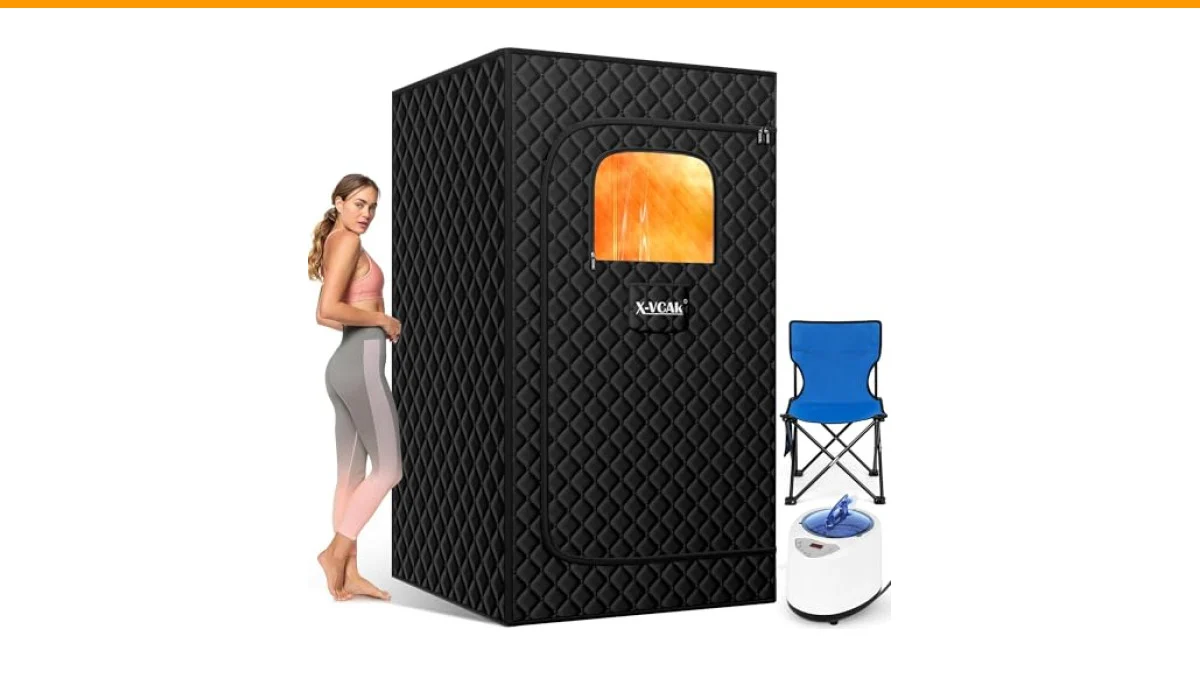
For those who prefer a more portable solution, consider the X-Vcak Upgraded Portable Sauna for Home. This sauna includes a high-power steamer and a comfortable folding chair, making it a practical choice for relaxation without extensive renovations.

X-Vcak
X-Vcak Upgraded Portable Sauna for Home,Relaxation, Steam Sauna for Home with Steamer, Remote Control, Folding Chair, 9 Levels
- The high-power steamer can quickly generate steam and shorten the preheating time. You can set the temperature and time on the ste…
- The oversized steam room is suitable for adults of different sizes. You can stand or sit in it. The steam tent is equipped with a…
- There is a pocket inside the sauna room that can be used to store mobile phones and other small items. The zippered transparent wi…
Understanding Space Requirements
Before converting a closet into a sauna, evaluate your space. Standard residential closets vary in size, typically ranging from 3 to 6 feet wide and 2 to 3 feet deep. For a sauna, you need at least 4 feet of height to accommodate most sauna heaters and provide a comfortable experience.
Consider the following points when assessing your closet:
- Size: Ensure the closet is large enough. A minimum of 4’x4′ is recommended for a personal sauna.
- Accessibility: The sauna must have adequate ventilation. Ensure doors can open fully without obstruction.
- Location: Choose a closet that doesn’t share walls with bedrooms or living areas to minimize noise and steam interference.
Insulation and Moisture Management
Insulation is critical when building a sauna. Proper insulation maintains heat and prevents moisture damage to surrounding structures. Here’s how to effectively insulate your closet sauna:
- Walls: Use moisture-resistant insulation, such as fiberglass or foam board, to insulate the walls. Cover them with a vapor barrier to protect against steam.
- Ceiling: Insulate the ceiling similarly to the walls. A reflective barrier can help maintain heat.
- Flooring: Use non-slip, water-resistant materials. Consider adding drainage options to manage excess moisture.
Keep in mind that the sauna will generate considerable steam. Ensure that your closet has a proper exhaust system to allow moisture to escape, which will help prevent mold and mildew.
Heating Options for Your Sauna
Choosing the right heater is vital for your sauna experience. Common options include electric heaters, infrared heaters, and portable steam generators. Each has its pros and cons:
| Type | Pros | Cons |
|---|---|---|
| Electric Heater | Fast heating, easy to control temperature | Requires electrical installation |
| Infrared Heater | Uses less energy, penetrates skin for deeper heat | May not provide the same humid heat feeling |
| Portable Steam Generator | Easy setup, good for small spaces | Limited space, may require frequent refilling |
For a closet sauna, an electric heater is often the best choice due to its ability to maintain consistent temperatures. Make sure to check the heater’s specifications to ensure it fits comfortably in your closet and complies with safety regulations.
Safety Considerations
Safety should always be a priority when building a sauna. Here are critical safety measures to consider:
- Electrical Compliance: Ensure all electrical work complies with local codes. Hire a licensed electrician if necessary.
- Temperature Control: Install a reliable thermostat to prevent overheating. Many heaters have built-in thermostats, but it’s wise to have a backup system.
- Emergency Access: Ensure there’s a way to exit the sauna quickly. Avoid using locks that require a key.
- Fire Safety: Keep flammable items away from the heater and install a smoke detector in or near the sauna.
Regularly inspect your sauna setup. Check for signs of wear, moisture damage, or electrical issues to ensure long-term safety.
FAQs About Building a Sauna in a Closet
1. Can any closet be converted into a sauna?
Not all closets are suitable. Look for a space that allows for at least 4 feet of height and sufficient width and depth for comfortable seating and heating equipment.
2. What is the best insulation material for a sauna?
Moisture-resistant fiberglass or foam board insulation is ideal. Ensure you cover it with a vapor barrier to protect against steam.
3. How much power does a sauna heater require?
Most electric sauna heaters need between 240V and 480V. Check the specifications of your chosen heater to ensure your electrical system can support it.
4. Is a vent necessary in a sauna?
Yes, proper ventilation is essential to manage moisture and prevent mold. It also helps maintain a consistent temperature.
5. How long does it take to heat a closet sauna?
Heating times depend on the heater’s power and the sauna’s insulation. Generally, expect 30 minutes to reach the desired temperature.
Final Considerations for Your Closet Sauna
- Evaluate your closet size before beginning.
- Invest in quality insulation and a moisture barrier.
- Choose an appropriate heater for your space.
- Prioritize safety with proper electrical installations and ventilation.
- Consider alternatives like portable saunas if a closet renovation seems overwhelming.
- Regular maintenance will ensure your sauna remains functional and safe.
- Enjoy your personal sauna experience for relaxation and wellness.
Transforming a spare closet into a sauna can be a rewarding project. With the right planning and execution, you can create a personal retreat that enhances your home and wellness routine.