 The 3-Minute "Can Chiropractic Help My Headaches?" VideoWatch on YouTube
Understanding Tension Headaches
Tension headaches are among the most common types of headaches, often characterized by a dull, aching pain and a feeling of tightness around the forehead or back of the head and neck. They can be triggered by stress, poor posture, lack of sleep, or dehydration. While many people reach for over-the-counter pain relievers, alternative therapies are gaining traction for their potential benefits.
Contrast therapy, which alternates between hot and cold treatments, has been suggested as a natural remedy for various ailments, including tension headaches. In this article, we’ll explore the effectiveness of contrast therapy for tension headaches and what you can do to implement it.

1stplunge
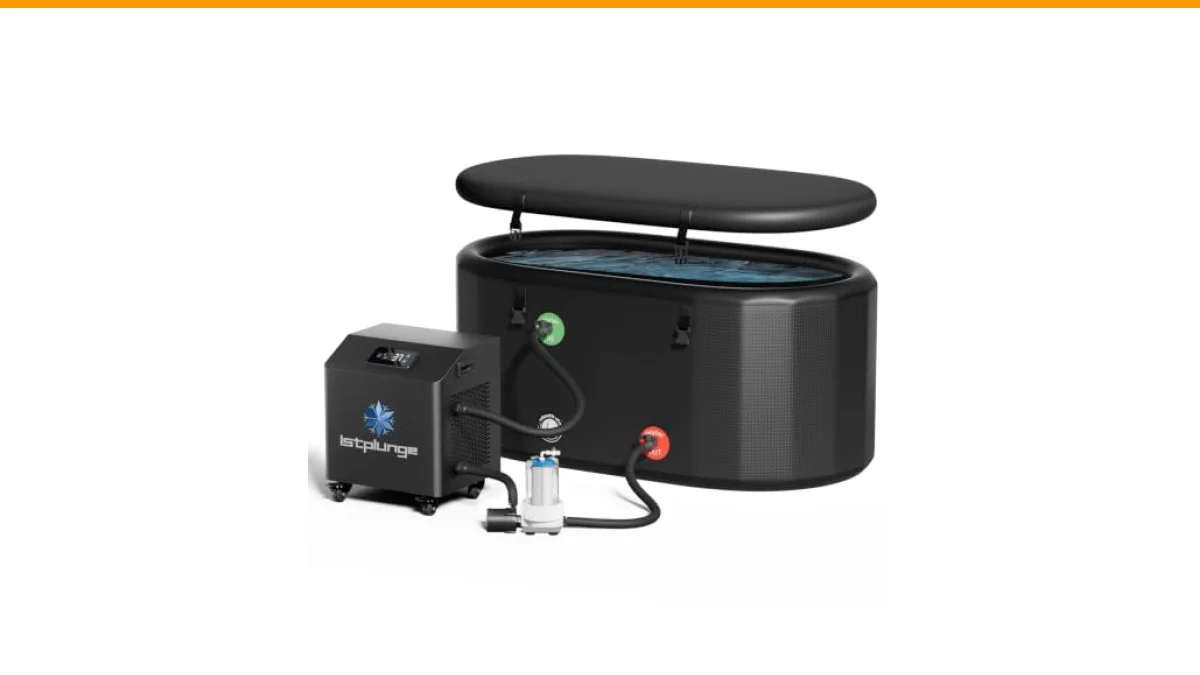
1HP Ice Bath Chiller & Cold Plunge Tub Kit, Cold Plunge Chiller with External Pump & Filter, 216 Gal Oval Ice Bath Tub, XXL Cold Plunge Tub with Water Chiller for Cold Therapy Recovery
- 💧【Complete Cold Plunge Recovery Kit – Chiller & 216Gal Tub】All-in-one bundle includes a 1HP cold plunge chiller with external filt…
- 💧【1HP Rapid Cooling – Down to 37°F】Powerful 1 horse power cooling system drops water temperature to as low as 37°F (2.7°C) and mai…
- 💧【Oversized 216-Gallon Insulated Tub – Full-Body Comfort】Constructed with reinforced PVC, Oxford fabric, and thick EPE foam, the e…
For those interested in cold therapy, products like the 1HP Ice Bath Chiller & Cold Plunge Tub Kit offer a comprehensive solution. This kit allows you to set your desired temperature for cold immersion, making it easier to incorporate cold therapy into your recovery routine.
What is Contrast Therapy?
Contrast therapy involves using hot and cold treatments in succession. The heat helps to relax and soothe muscles, while the cold reduces inflammation and constricts blood vessels. This dual approach can potentially improve blood circulation and promote faster recovery from muscle tension and pain.
Here’s how it typically works:
- Begin with a heat application (like a warm towel or heating pad) for about 10-15 minutes.
- Follow this with a cold application (such as ice packs or a cold plunge) for another 10-15 minutes.
- Repeat this cycle two to three times, ending with a cold application.
How Contrast Therapy May Help Tension Headaches
Evidence suggests that the alternating hot and cold treatments can relieve tension headaches. Here are a few mechanisms by which contrast therapy might work:
- Improved Circulation: Heat dilates blood vessels, increasing blood flow to muscles and tissues. Cold therapy constricts blood vessels, which can help reduce swelling and inflammation. This cycle of dilation and constriction may help alleviate headache symptoms.
- Muscle Relaxation: Tension headaches often stem from muscle tightness in the neck and shoulders. Heat can relax these muscles, while cold can numb pain.
- Endorphin Release: The application of heat and cold can stimulate the release of endorphins, the body’s natural painkillers. This can contribute to overall headache relief.
Practical Steps for Using Contrast Therapy
To effectively use contrast therapy for tension headaches, follow these steps:
- Gather Supplies: Use a heating pad or hot water bottle for heat. For cold therapy, prepare ice packs or a cold plunge tub.
- Set Up a Comfortable Area: Find a quiet space where you can relax and lie down comfortably.
- Apply Heat: Start with a heat application for 10-15 minutes. Focus on the neck and shoulder areas.
- Switch to Cold: Apply cold for 10-15 minutes. If using ice packs, wrap them in a cloth to protect the skin.
- Repeat: Alternate between heat and cold for a total of 30-45 minutes, ending with cold.
Comparing Therapy Methods for Tension Headaches
| Method | Benefits | Drawbacks |
|---|---|---|
| Contrast Therapy | Improves circulation, relaxes muscles, releases endorphins | Can be time-consuming; not suitable for everyone |
| Cold Therapy | Reduces inflammation, numbs pain | May cause discomfort; not as effective for muscle tension |
| Heat Therapy | Relaxes muscles, alleviates stiffness | Can increase inflammation if overused |
| Over-the-Counter Medications | Quick relief from pain | Potential side effects; may not address underlying issues |
Frequently Asked Questions
1. How often can I use contrast therapy for tension headaches?
You can use contrast therapy whenever you feel a headache coming on or as part of a regular relaxation routine. For best results, limit sessions to 30-45 minutes and allow your body to rest between applications.
2. Is contrast therapy safe for everyone?
Most people can safely use contrast therapy. However, if you have certain medical conditions, such as cardiovascular issues or skin sensitivities, consult with a healthcare provider before starting.
3. What temperature should the heat and cold be?
The heat should feel warm but not burning, typically around 100°F to 110°F. Cold should feel cool but not painful, usually around 32°F to 50°F.
4. Can I combine contrast therapy with other treatments?
Yes, many people find that combining contrast therapy with stretching, massage, or even meditation enhances its effectiveness for relieving tension headaches.
5. How long will it take to see results?
Some people may experience immediate relief after a single session, while others might require multiple sessions over several days to notice a significant improvement.
Final Thoughts on Contrast Therapy for Tension Headaches
- Contrast therapy can offer a natural approach to alleviate tension headaches.
- Utilizing both heat and cold helps improve circulation and relax muscles.
- It’s crucial to listen to your body; if discomfort arises, adjust temperatures or durations.
- Consider incorporating contrast therapy into a broader self-care routine.
- Consult a healthcare provider if headaches persist or worsen.
Using a product like the 1HP Ice Bath Chiller & Cold Plunge Tub Kit can simplify the cold therapy aspect, making it easier to stick with your routine. With the right approach, contrast therapy may just be the key to managing those nagging tension headaches.