Muscle cramps can be a frustrating experience, especially for athletes and fitness enthusiasts. Picture yourself in the middle of an intense workout, and suddenly, a cramp interrupts your rhythm. These involuntary contractions can throw off your performance and recovery plans. As more people turn to various recovery methods, contrast therapy is gaining attention for its potential benefits. But if you’re prone to muscle cramps, you might wonder: can you safely incorporate contrast therapy into your routine?
This article will delve into contrast therapy, how it works, its benefits for muscle recovery, and what you should consider if you experience muscle cramps. You’ll walk away with a clearer understanding of whether this technique suits your recovery needs.

1stplunge
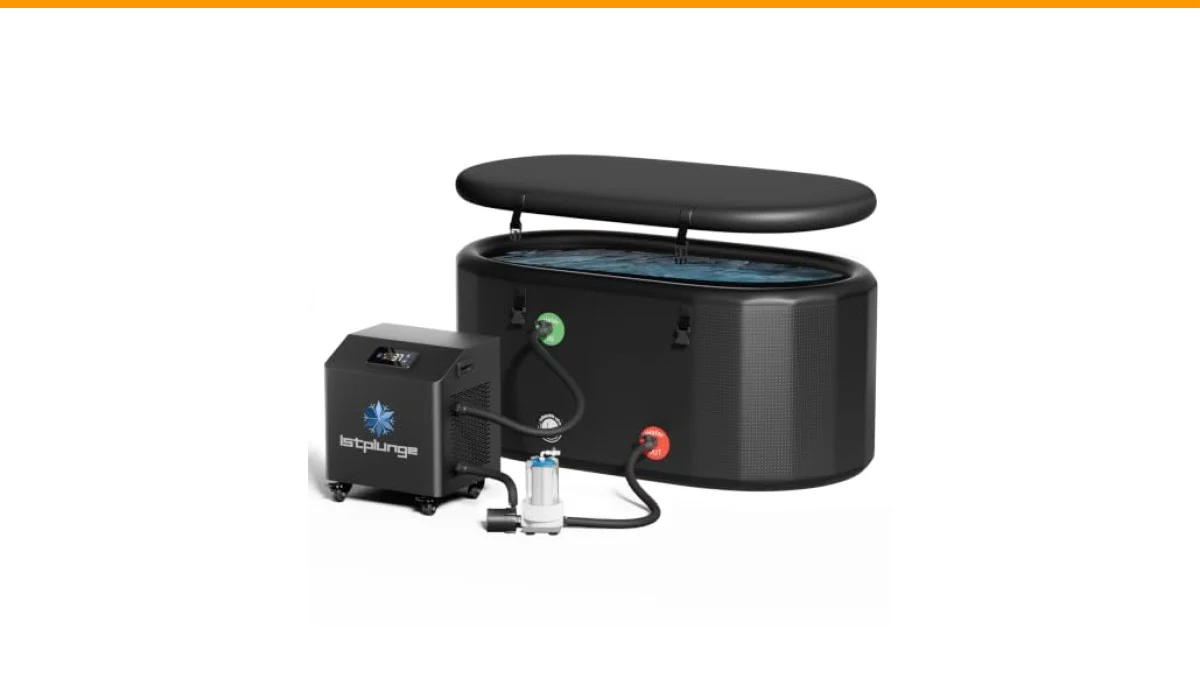
1HP Ice Bath Chiller & Cold Plunge Tub Kit, Cold Plunge Chiller with External Pump & Filter, 216 Gal Oval Ice Bath Tub, XXL Cold Plunge Tub with Water Chiller for Cold Therapy Recovery
- 💧【Complete Cold Plunge Recovery Kit – Chiller & 216Gal Tub】All-in-one bundle includes a 1HP cold plunge chiller with external filt…
- 💧【1HP Rapid Cooling – Down to 37°F】Powerful 1 horse power cooling system drops water temperature to as low as 37°F (2.7°C) and mai…
- 💧【Oversized 216-Gallon Insulated Tub – Full-Body Comfort】Constructed with reinforced PVC, Oxford fabric, and thick EPE foam, the e…
For those interested in practical tools to facilitate cold therapy, the 1HP Ice Bath Chiller & Cold Plunge Tub Kit is an excellent option. This all-in-one kit includes a 216-gallon insulated tub and a powerful chiller, providing a convenient way to engage in cold plunge therapy.
Understanding Contrast Therapy
Contrast therapy involves alternating between cold and warm water immersion. Typically, this method includes spending time in cold water (around 50-59°F or 10-15°C) for a few minutes, followed by a period in warm water (around 95-104°F or 35-40°C). This cycle may be repeated several times, often lasting anywhere from 20 to 40 minutes total.
The primary goal of contrast therapy is to enhance circulation and reduce muscle soreness. The cold water causes blood vessels to constrict, while warm water allows them to dilate. This process can help flush out metabolic waste products and deliver fresh oxygen and nutrients to tired muscles.
The Benefits of Contrast Therapy for Muscle Recovery
Contrast therapy offers several benefits that can be particularly helpful for individuals recovering from intense workouts:
- Improved Circulation: Alternating temperatures can stimulate blood flow, promoting faster recovery.
- Reduced Muscle Soreness: Many athletes report less post-exercise muscle soreness after using contrast therapy.
- Increased Flexibility: The warm water can help relax tight muscles, improving overall flexibility.
- Enhanced Recovery: The combination of cold and heat might accelerate recovery times, allowing for more frequent training sessions.
Can You Do Contrast Therapy if You Are Prone to Muscle Cramps?
The relationship between contrast therapy and muscle cramps is complex. While contrast therapy aims to improve circulation and reduce soreness, it might not be suitable for everyone, particularly those prone to muscle cramps. Here’s why:
- Muscle Cramps and Dehydration: Cramps often occur due to dehydration and electrolyte imbalances. If you frequently experience cramps, ensure adequate hydration and electrolyte levels before trying contrast therapy.
- Cold Sensitivity: Cold exposure can sometimes exacerbate cramping, especially if you already have tight or fatigued muscles. Consider testing cold exposure gradually.
- Warm Water Relaxation: Warm water can help relax tight muscles, which might reduce the risk of cramps. However, excessive heat exposure can lead to dehydration, which could trigger cramps.
In short, you can engage in contrast therapy if you are prone to muscle cramps, but it requires caution. Always listen to your body and modify your approach based on your individual response.
Best Practices for Contrast Therapy
To safely implement contrast therapy into your routine, consider these best practices:
- Hydrate: Drink plenty of water before and after your sessions to help prevent dehydration.
- Start Gradually: If you’re new to contrast therapy, begin with shorter sessions and gradually increase the duration as your body adapts.
- Monitor Your Body: Pay attention to how your body responds during and after the therapy. If you experience increased cramping or discomfort, adjust the temperatures or duration.
- Consult a Professional: If you have chronic muscle cramps or underlying health issues, consult a healthcare provider before starting contrast therapy.
Comparing Recovery Methods
| Method | Benefits | Considerations |
|---|---|---|
| Contrast Therapy | Improves circulation, reduces soreness, enhances recovery | May not suit everyone, monitor hydration |
| Cold Water Immersion | Reduces inflammation, numbs pain | Can exacerbate cramps in some individuals |
| Heat Therapy | Relaxes muscles, increases blood flow | Risk of dehydration, can worsen inflammation |
| Compression Therapy | Promotes recovery, reduces swelling | May not be effective for all muscle issues |
Frequently Asked Questions
1. How long should I do contrast therapy?
The entire session typically lasts 20 to 40 minutes, alternating between cold and warm immersions. Start with shorter durations and adjust based on your comfort.
2. Can contrast therapy help with chronic muscle cramps?
While it may help reduce soreness and improve recovery, those with chronic cramps should consult a healthcare provider for personalized advice.
3. How often should I use contrast therapy?
Using contrast therapy 1-2 times a week can be beneficial for recovery. However, adjust frequency based on your training intensity and personal response.
4. Is there a risk of injury with contrast therapy?
Generally, the risks are low if done correctly. However, improper temperature extremes or prolonged exposure can lead to discomfort or injury.
5. What should I do if I feel a cramp during therapy?
If you experience a cramp, stop the therapy and gently stretch the affected muscle. Ensure you’re hydrated and consider adjusting the temperature or duration for future sessions.
Final Thoughts on Contrast Therapy
- Contrast therapy can improve circulation and reduce soreness.
- Hydration is critical for preventing muscle cramps during therapy.
- Start with shorter sessions and gradually increase duration.
- Monitor your body’s response and adjust as needed.
- Consult a healthcare provider if you have chronic cramps or health concerns.
- The 1HP Ice Bath Chiller & Cold Plunge Tub Kit can enhance your recovery routine.
- Stay informed about your body’s needs and recovery strategies.