Imagine coming home after a long day, stepping into your outdoor garage, and unwinding in a warm, relaxing sauna. It sounds appealing, right? Many homeowners consider this enhancement for their property, but they often wonder: can you install a sauna in an unheated outdoor garage space? This article will guide you through the critical factors to consider and the steps needed to make it a reality.
Installing a sauna in an unheated garage is entirely possible, but it requires careful planning and execution. You need to account for insulation, heating, and electrical systems to ensure a comfortable and safe experience. You’ll walk away from this article with a clear understanding of what it takes to set up your sauna, including potential challenges and solutions.

Breezestival
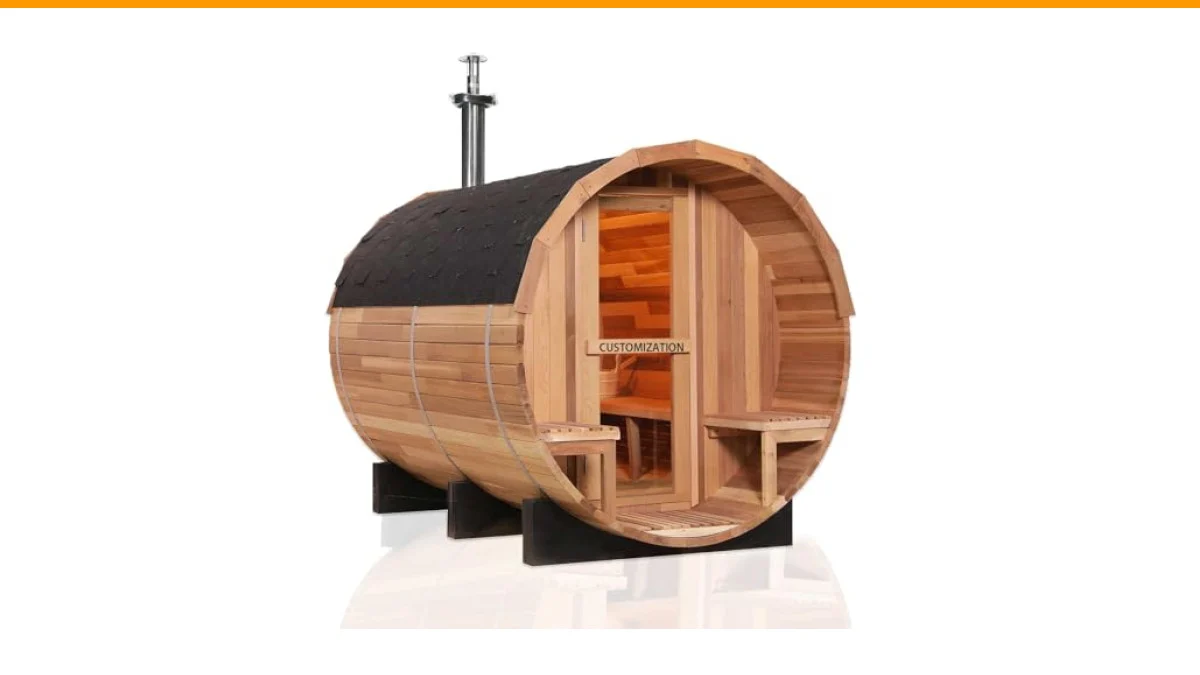
Breezestival Outdoor Barrel Sauna, 4-6 Person Tradition Wood Dry&Steam Sauna with Sauna Stone, 220V/6KW Electric Heater with Sauna Stone, Sauna Accessories, Waterproof Tarpaulin
- Spacious 4-6 Person Barrel Sauna: Designed for shared enjoyment with family and friends. The panoramic glass door and side windows…
- Premium Durable Construction: Crafted with solid wood, 8mm tempered glass, and a 6KW sauna heater for fast and efficient heating.…
- Intelligent Control System: The user-friendly controller allows you to adjust temperature and set the timer with just a few presse…
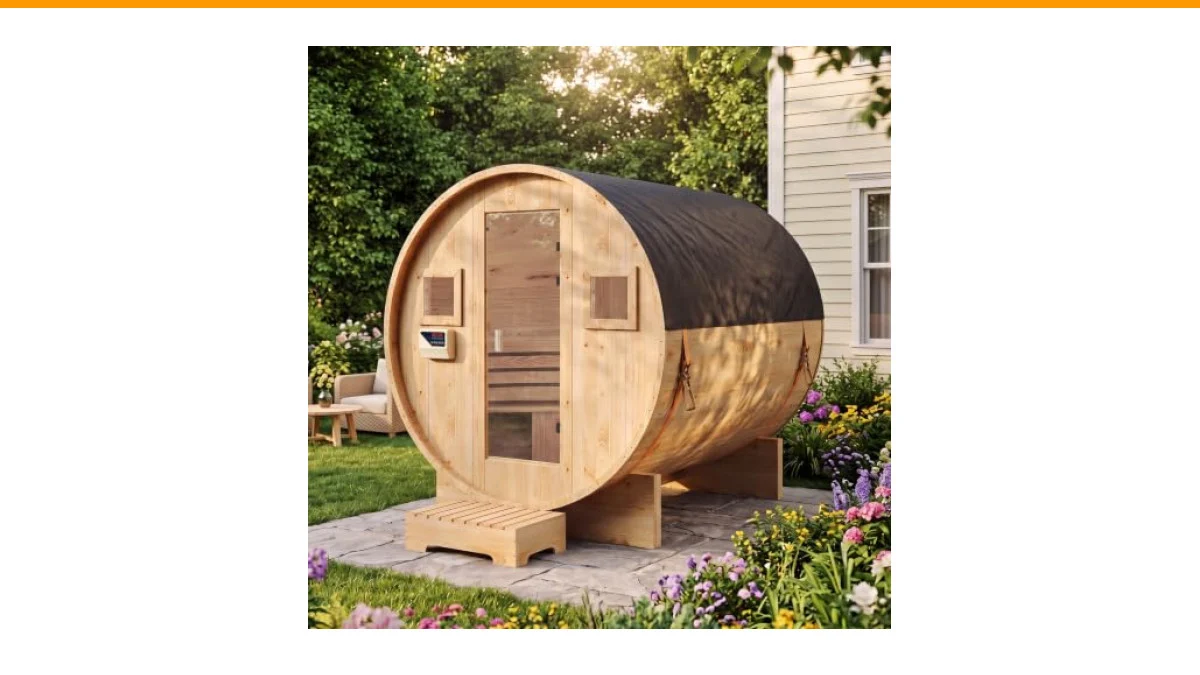
If you’re looking for a solid option, consider the Breezestival Outdoor Barrel Sauna. This spacious sauna accommodates 4-6 people and features a durable construction with a 6KW heater, making it ideal for outdoor relaxation.
Understanding Sauna Types and Their Requirements
Before you set your sights on installation, it’s vital to understand the different types of saunas and their specific requirements. The two most common types are traditional (wood-burning or electric) and infrared saunas. Each type has unique characteristics that influence their installation needs.
- Traditional Saunas: These saunas heat the air to a high temperature using a stove. They can be used as dry or steam saunas, depending on whether you add water to the heated stones. Traditional saunas generally require proper ventilation and insulation.
- Infrared Saunas: These use infrared panels to heat the body directly rather than the air. Infrared saunas typically have lower installation requirements compared to traditional ones, making them a potential option for unheated spaces.
When installing in an unheated garage, consider insulation as a top priority. Proper insulation ensures that the sauna retains heat efficiently, minimizing energy costs and maximizing comfort.
Essential Conditions for Installation
Here are key conditions to ensure your sauna installation is successful:
- Flooring: A sauna needs a moisture-resistant floor. Concrete or treated wood is generally suitable. Ensure the floor can support the weight of the sauna and any additional features.
- Insulation: Insulating the walls and ceiling is crucial. Using materials like fiberglass or foam boards can help maintain temperature. Ideally, aim for R-19 insulation for the walls and R-30 for the ceiling.
- Heating Source: Ensure you have access to a suitable power source. The Breezestival sauna, for example, operates on a 220V/6KW electric heater, so check your garage’s electrical capacity.
- Ventilation: Proper airflow is necessary to prevent moisture buildup. Install vents on opposite walls to facilitate cross-ventilation.
Pro tip: Using a sauna thermometer can help you monitor the temperature and humidity levels, ensuring optimal conditions.
Installation Steps to Follow
Once you’ve assessed your garage conditions, follow these steps for installation:
- Choose Your Sauna Location: Select a spot in your garage that offers enough space for the sauna, considering the overall dimensions.
- Prepare the Floor: Ensure the floor is clean, dry, and leveled. If necessary, reinforce it to handle the sauna’s weight.
- Insulate the Walls and Ceiling: Install insulation in the walls and ceiling. Use vapor barriers to prevent moisture damage.
- Install Electrical Wiring: Hire a qualified electrician to set up the electrical connections. Ensure the power supply matches the sauna’s requirements.
- Assemble the Sauna: Follow the manufacturer’s instructions to assemble your sauna. This may involve connecting walls, doors, and installing heating elements.
- Test the Sauna: Before regular use, test the sauna to ensure it heats properly and that all electrical components function safely.
These steps provide a structured approach to installing your sauna in an unheated garage, but always consult with professionals where necessary.
Comparative Overview of Sauna Options
| Type of Sauna | Heating Method | Installation Complexity | Ideal for Unheated Spaces? |
|---|---|---|---|
| Traditional | Electric/Wood | High | Yes, with insulation |
| Infrared | Infrared Panels | Medium | Yes, easier to install |
| Portable | Electric | Low | Yes, very flexible |
This comparative overview helps clarify which sauna might be the best fit for your unheated garage.
Frequently Asked Questions
Can I put a sauna in a garage?
Yes, you can put a sauna in a garage. Ensure the garage has proper insulation, ventilation, and a suitable heating source.
What type of sauna is best for an unheated garage?
Infrared saunas are often easier to install and may work better in unheated spaces due to their lower temperature requirements.
Do I need a permit to install a sauna in my garage?
Check local building codes to determine if a permit is needed. Regulations can vary by location.
How much power does a sauna need?
Most home saunas require a dedicated circuit of at least 220V. The Breezestival sauna needs a 220V/6KW power supply.
Can I use my sauna year-round?
With proper insulation and a reliable heating source, you can use your sauna year-round, even in colder climates.
Final Thoughts
- Assess your garage space for insulation and electrical capacity.
- Choose a sauna type that matches your installation skills and requirements.
- Consider hiring professionals for electrical and structural work.
- Ensure proper ventilation to maintain air quality.
- Test your sauna before regular use to ensure safety and functionality.
- Monitor temperature and humidity with a thermometer for optimal sauna sessions.
- Prepare for seasonal changes by maintaining your sauna regularly.