Understanding Lactic Acid and Muscle Recovery
After an intense workout, you might feel a familiar tightness in your muscles. This sensation is often due to lactic acid buildup, a byproduct of anaerobic metabolism. When your body requires energy faster than oxygen can be delivered to your muscles, it relies on anaerobic processes, leading to lactic acid accumulation. While this is a normal part of exercise, excessive lactic acid can contribute to muscle soreness and fatigue.
So, how do you effectively manage this buildup? One popular method is using a sauna, which many athletes and fitness enthusiasts swear by. This article will walk you through the science behind lactic acid, how saunas can aid recovery, and practical tips for using sauna therapy. You’ll gain a clearer understanding of whether a sauna can truly help flush lactic acid from your muscles.

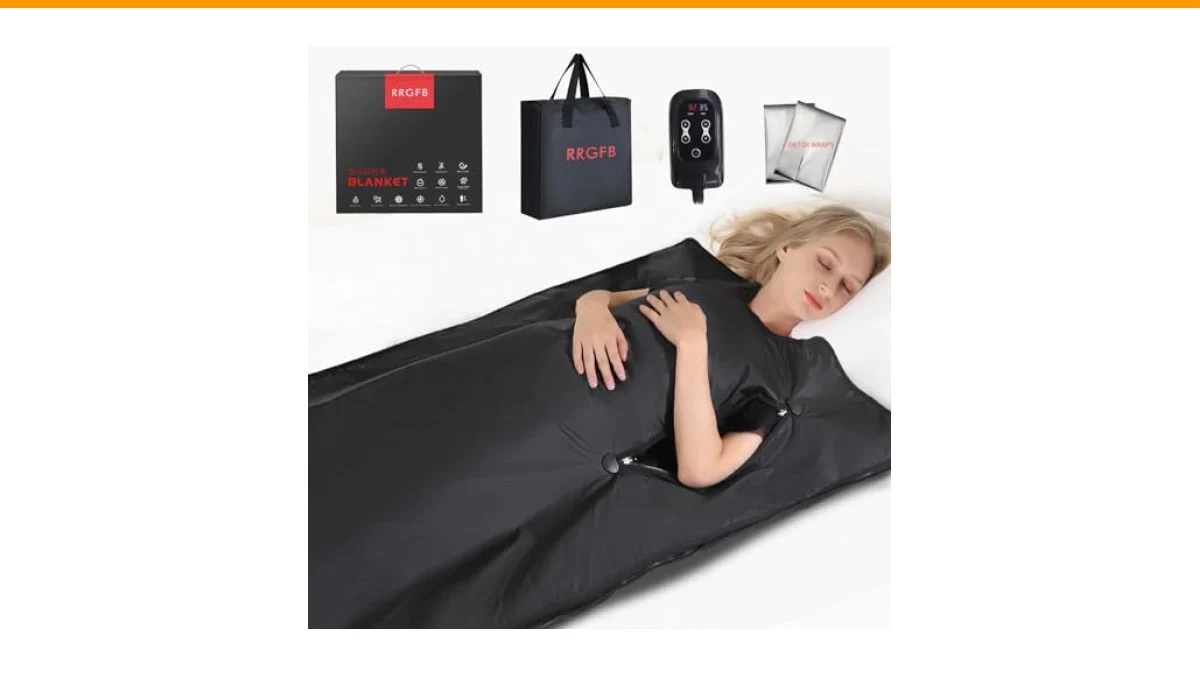
RRGFB
RRGFB Infrared Sauna Blanket for Home Detox, Portable, 6 ft x 2.6 ft | Low-EMF Waterproof Oxford fabric 1-60 min timer Overheat auto shut-off 5 wraps & bag
- Relaxation at Home: Transform your home into a relaxing spa with our sauna blanket. Just 30 minutes of use allows you to unwind an…
- Rejuvenating Sweat Experience: Support your daily wellness routine with a gentle, soothing sweat session. Regular use helps refres…
- Enhanced Blood Circulation: This infrared sauna blanket is designed to improve blood circulation, which can aid muscle recovery an…
For those looking for a convenient way to enjoy sauna therapy at home, the RRGFB Infrared Sauna Blanket offers a portable solution. This blanket allows you to experience the benefits of infrared heat, which can aid in relaxation and muscle recovery in just 30 minutes a day.
How Saunas Affect Muscle Recovery
Saunas utilize heat to induce sweating and improve circulation, both of which can play a role in muscle recovery. When you enter a sauna, your body temperature rises, and your heart rate increases. This process mimics the effects of moderate exercise, helping to boost blood flow to your muscles.
Improved circulation is essential for muscle recovery. It helps deliver oxygen and nutrients to fatigued muscles while removing waste products like lactic acid. Studies have shown that regular sauna use can lead to reduced muscle soreness and faster recovery times after workouts. For instance, a study published in the Journal of Science and Medicine in Sport indicated that participants who used the sauna post-exercise reported less soreness compared to those who did not.
Moreover, the heat from the sauna can increase the rate of metabolic processes. As your body works to cool itself down, it may enhance the clearance of lactic acid. This process can be particularly beneficial after strenuous activities, making sauna sessions an appealing recovery strategy.
Comparing Sauna Types: Traditional vs. Infrared
When considering sauna use for flushing lactic acid, it’s important to differentiate between traditional saunas and infrared saunas. Both have unique benefits and can aid recovery, but they work differently.
| Feature | Traditional Sauna | Infrared Sauna |
|---|---|---|
| Heat Source | Heats the air, which then warms the body | Directly heats the body using infrared rays |
| Temperature | Typically 150-195°F (65-90°C) | Lower temperatures, around 120-150°F (49-65°C) |
| Humidity | Often humid | Usually dry |
| Time to Heat | Longer heating time | Quicker heating time |
| Energy Consumption | Higher energy usage | Uses less power |
| Comfort Level | Some may find the heat overwhelming | Many find it more tolerable |
Both sauna types can help with muscle recovery and potentially flush lactic acid. Traditional saunas offer a more intense heat experience, while infrared saunas provide a gentler, deeper heat. The choice often comes down to personal preference.
Practical Tips for Using a Sauna Effectively
To make the most of your sauna sessions, consider the following tips:
- Timing: Use the sauna after workouts to maximize benefits. Your muscles will be primed for recovery.
- Hydration: Drink plenty of water before and after your sauna session. Dehydration can hinder recovery and exacerbate muscle soreness.
- Duration: Aim for 15-30 minutes per session. Overdoing it can lead to fatigue or overheating.
- Frequency: Incorporate sauna sessions 2-3 times a week to reap the most benefits.
- Listen to Your Body: If you feel dizzy or unwell, exit the sauna and cool down.
Using the RRGFB Infrared Sauna Blanket can make these tips even easier to follow. It offers a convenient way to integrate sauna therapy into your routine without needing to leave home.
Frequently Asked Questions
1. Can sauna help flush lactic acid from muscles?
Yes, sauna use can aid in flushing lactic acid from muscles. The heat promotes increased blood circulation, which helps remove waste products and deliver nutrients necessary for recovery.
2. How often should I use a sauna for muscle recovery?
For optimal muscle recovery, consider using the sauna 2-3 times a week. This frequency allows your body to adapt and reap the benefits without overexertion.
3. Is infrared sauna better than traditional sauna?
It depends on personal preference. Infrared saunas provide a gentler heat and can be more comfortable for some, while traditional saunas offer a more intense heat experience. Both can aid recovery.
4. Can I use a sauna if I have medical conditions?
Individuals with certain medical conditions, such as heart disease or respiratory issues, should consult a healthcare provider before using a sauna. It’s important to ensure it’s safe for you.
5. How long should I stay in the sauna?
A session should typically last between 15-30 minutes. This duration is enough to enjoy the benefits without risking dehydration or overheating.
Final Thoughts
- Saunas can help reduce lactic acid buildup, aiding muscle recovery.
- Improved circulation during sauna sessions enhances nutrient delivery and waste removal.
- Both traditional and infrared saunas offer benefits, so choose according to your preference.
- Stay hydrated before and after sauna use for optimal results.
- Incorporate sauna sessions 2-3 times a week for best outcomes.
- Consider using a sauna blanket like the RRGFB Infrared Sauna Blanket for convenience.
- Always listen to your body and exit the sauna if you feel unwell.