You come home on a cold evening, reach for the space heater, and plug it into the nearest outlet. You’re not thinking about fire—you’re thinking about warmth. But the stats are sobering: the National Fire Protection Association reports that space heaters are involved in about 44% of home heating fires, and most of those fires happen because of things like placing the heater too close to a couch or leaving it on while everyone sleeps.
So, can space heaters cause fires? The short answer is yes—but not because they’re inherently dangerous. Most fires trace back to user error, poor placement, or a faulty unit. In this article, I’ll walk you through the real risks, the safety features that matter, and the exact habits that keep you warm without turning your living room into a hazard. You’ll also learn what to look for in a new heater if you’re shopping for one.

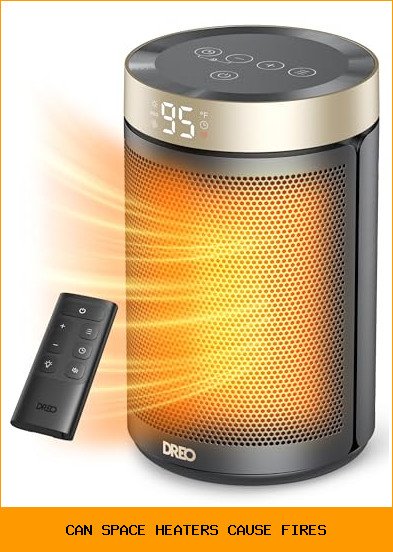
DREO
DREO Space Heater, Portable Electric Heaters for Indoor Use with Thermostat | 2026 Upgraded, 34dB Quiet, 12H Timer, 5 Mode, Remote, 1500W PTC Ceramic Fast Safety Heat for Office Bedroom Home, Gold
- Powerful heat that fits everywhere: DREO space heaters for indoor combines Hyperamics 1500W advanced PTC system with a new heat fu…
- Unbreakable safety:DREO goes beyond the unexpected to deliver peace of mind with every room heater. The innovative tilt-detection…
- Ultimate temperature control: The enhanced NTC chipset brings more precision to turn your space heater with thermostat into a smar…
Before we dig into the details, let me mention one model that gets a lot of things right. The DREO Space Heater uses a 1500W PTC ceramic system and a heat funnel design that pushes warm air farther into the room. It also has a tilt-detection sensor, V0 flame-retardant materials, and overheat protection—features that address the most common causes of heater fires. It’s not perfect, but it’s a solid choice if you’re prioritizing safety.
What Actually Causes Space Heater Fires?
Let’s get specific. Space heater fires rarely start because the heater spontaneously combusts. They start because of three main factors: proximity to combustibles, electrical issues, and human oversight.
Proximity to combustibles is the number one culprit. The U.S. Consumer Product Safety Commission recommends keeping anything that can burn at least three feet away from the heater. That includes blankets, curtains, sofas, and even that pile of laundry you keep meaning to put away. A heater’s surface temperature can reach 200°F or more, and fabrics ignite at around 450°F—but with direct contact, the heat transfers quickly, and a fire can start in minutes.
Electrical issues come second. Space heaters draw a lot of power—typically 1,500 watts on high, which is about 12.5 amps. If you plug that into an extension cord, a power strip, or an outlet that’s already powering other appliances, you’re asking for trouble. The wiring can overheat, melt, and spark. Even a well-made heater can cause a fire if the outlet is old or the breaker is faulty.
Human oversight is the third factor. Leaving a heater running while you’re asleep or out of the house is risky. A pet knocks it over, a child bumps it, or a piece of furniture shifts closer over time—and nobody is there to notice until it’s too late.
So, can space heaters cause fires? Yes, but nearly every fire is preventable with the right habits and the right equipment.
Safety Features That Actually Reduce Fire Risk
Not all space heaters are created equal. When you’re shopping, you’ll see terms like “tip-over protection” and “overheat protection” thrown around, but they’re not just marketing fluff. Here’s what they mean and why they matter.
Tip-over protection is a switch that kills the power if the heater tilts past a certain angle. It’s essential if you have pets or kids who might bump into the unit. The DREO model I mentioned goes a step further with an improved tilt-detection sensor that’s more accurate and reliable than older mechanical switches. That’s a genuine upgrade, not a gimmick.
Overheat protection shuts the heater off if the internal temperature climbs too high. This can happen if the air intake gets blocked—say, you set the heater too close to the wall or drop a towel on it. The sensor detects the rise and cuts power before anything melts or ignites.
Flame-retardant materials matter too. The housing of the heater should be made of V0-rated plastic, which means it resists burning and won’t spread a fire if one starts. The DREO uses V0 materials, and that’s a detail many budget heaters skip.
One more thing to check: certification. Look for the ETL or UL mark on the product. That means an independent lab tested the heater for safety. It’s not a guarantee, but it’s a strong signal that the manufacturer followed recognized standards.
Even with all these features, you still need to use the heater sensibly. Safety features are a backup, not a replacement for good judgment.
How to Use a Space Heater Without Starting a Fire
Let’s be practical. You have a space heater, or you’re about to buy one. Here’s a checklist that covers the most common mistakes and how to avoid them.
- Keep a three-foot clearance zone. Measure it if you’re not sure. Move anything that can burn—furniture, bedding, paper, clothes—at least three feet from the heater’s front, sides, and back.
- Plug directly into a wall outlet. No extension cords, no power strips, no multi-outlet adapters. If the cord doesn’t reach, move the heater to a different outlet. This rule is non-negotiable.
- Don’t run it unattended. Turn it off when you leave the room or go to sleep. Modern heaters have timers, but a timer doesn’t replace your presence.
- Place it on a flat, hard surface. Carpet and rugs can trap heat underneath the unit. If you must put it on carpet, use a heat-resistant mat or a solid board.
- Inspect the cord and plug regularly. If the cord feels warm, the outlet is old, or the plug is discolored, stop using the heater and replace it.
- Keep the intake and exhaust clear. Dust and lint can accumulate and block airflow. Clean the heater’s vents with a vacuum attachment every few weeks.
One habit that’s often overlooked: don’t plug the heater into a GFCI outlet in the bathroom unless the heater is rated for wet locations. Water and electricity don’t mix, and a GFCI will trip, but the heater might still be damaged.
If you follow these rules, the risk drops dramatically. The question of “can space heaters cause fires” becomes “can you cause a fire with a space heater?”—and the answer is still yes, but only if you ignore the basics.
Comparing Heater Types: Which Is Safer?
Different types of space heaters have different risk profiles. Here’s a quick comparison to help you decide what fits your space and your comfort level.
| Heater Type | How It Works | Fire Risk | Best For |
|---|---|---|---|
| Ceramic (PTC) | Uses a ceramic element and a fan to blow heat into the room | Low—surface stays cooler, tip-over protection common | Bedrooms, living rooms, quick warmth |
| Infrared / Radiant | Heats objects directly with infrared radiation | Medium—coils can get very hot and ignite nearby items | Drafty rooms, targeted heat |
| Oil-filled radiator | Heats oil inside the unit, which radiates heat slowly | Low—surface stays warm but not scorching | Whole-room heating, overnight use |
| Fan-forced (metal coil) | Uses a metal coil and a fan to push hot air | High—coils reach extreme temperatures | Small spaces, quick spot heating |
My opinion? Ceramic heaters are the sweet spot for most people. They heat up fast, the surface doesn’t get dangerously hot, and they usually have the best safety features. The DREO fits that category, and its 1500W PTC system delivers strong heat without the burn risk you’d get from exposed coils.
Oil-filled radiators are great for staying warm overnight because they don’t dry out the air and they shut off on a timer. But they take longer to warm up a room, so they’re not ideal if you’re impatient.
What to Do If Your Heater Catches Fire
Nobody wants to think about this, but you should have a plan. If a fire starts—even a small one—your priority is getting out and calling 911. Don’t try to fight it unless it’s tiny and you have a clear escape route.
If the fire is small and contained to the heater, you can try to unplug it if the cord is safe to reach. But if the fire is spreading to furniture or curtains, get out. Close doors behind you to contain the flames, and call emergency services from outside.
After the fire, replace the heater. Even if it looks undamaged, the internal wiring could be compromised. It’s not worth the risk.
Prevention is always better than reaction. That’s why I keep coming back to the basics: three feet of clearance, direct wall outlet, and never leaving it running unattended.
Frequently Asked Questions
Can a space heater catch fire if left on overnight?
Yes, if it’s left on and something goes wrong—like it tips over or gets covered by a blanket. Most modern heaters have overheat protection, but that doesn’t eliminate the risk. The safest practice is to turn it off before you sleep. If you need warmth overnight, use a heater with a timer and set it to shut off after a few hours, or better yet, use an oil-filled radiator that’s designed for overnight use.
Is it safe to plug a space heater into a power strip?
No. Power strips are not designed to handle a space heater’s continuous high current draw. The wiring inside the strip can overheat and cause a fire. Always plug the heater directly into a wall outlet. If the outlet is two-pronged or loose, replace it or have an electrician fix it before using the heater.
How close can a space heater be to a bed?
Keep at least three feet between the heater and anything that can burn, including beds, blankets, and pillows. Beds have fabric, and fabric ignites easily. If you’re using a heater in a bedroom, place it on a nightstand or on the floor far from the bed, and make sure the cord isn’t under the bed or wrapped around anything.
What is the safest type of space heater?
In my experience, ceramic and oil-filled heaters are the safest. Ceramic heaters have cool-touch exteriors and strong safety features. Oil-filled radiators have no exposed heating element and the surface stays warm but not hot enough to ignite most fabrics. Avoid fan-forced heaters with exposed metal coils—they get extremely hot and are more likely to start a fire if something falls on them.
Can a space heater cause a fire even if it’s turned off?
Unlikely, but not impossible. If the heater is unplugged, it’s completely inert. If it’s still plugged in but turned off, the internal components are not active, but a power surge or a faulty cord could still overheat. That’s why it’s best to unplug the heater when you’re not using it, especially if it’s an older model.
What You Can Do Right Now to Stay Safe
Here’s the bottom line: space heaters are safe when used correctly. The statistics don’t lie—most fires are preventable. So before you plug yours in, take a minute to do these things.
- Check the cord and plug for any signs of wear. If they look damaged, don’t use the heater.
- Move anything flammable at least three feet away. That includes your couch, your curtains, and that stack of magazines.
- Plug the heater directly into a wall outlet. No exceptions.
- Set a reminder to turn it off when you leave the room or go to bed.
- If you’re buying a new heater, look for ETL/UL certification, tip-over protection, and overheat protection. Those features are worth the extra few dollars.
One last thought: if you have an older heater, consider replacing it. Technology has improved a lot in the last decade. Newer models are safer, more efficient, and quieter. The DREO I mentioned earlier is a good example of what modern safety looks like—it checks all the boxes and then some. But no matter what you buy, you’re the real safety feature. Use common sense, and you’ll stay warm without the worry.



