Understanding the Role of Wood in Outdoor Saunas
Building an outdoor sauna is an exciting project for many homeowners. However, choosing the right materials can be a significant challenge. One question often arises: can you use pressure-treated wood for the base frame of an outdoor sauna? This is a crucial consideration since the wood’s characteristics can affect the sauna’s longevity, safety, and overall experience.
In this article, you’ll learn about the pros and cons of using pressure-treated wood for your sauna’s base frame. You’ll also explore alternative wood options and best practices for maintaining your sauna. By the end, you’ll have a solid understanding of how to make the best choice for your outdoor sauna project.

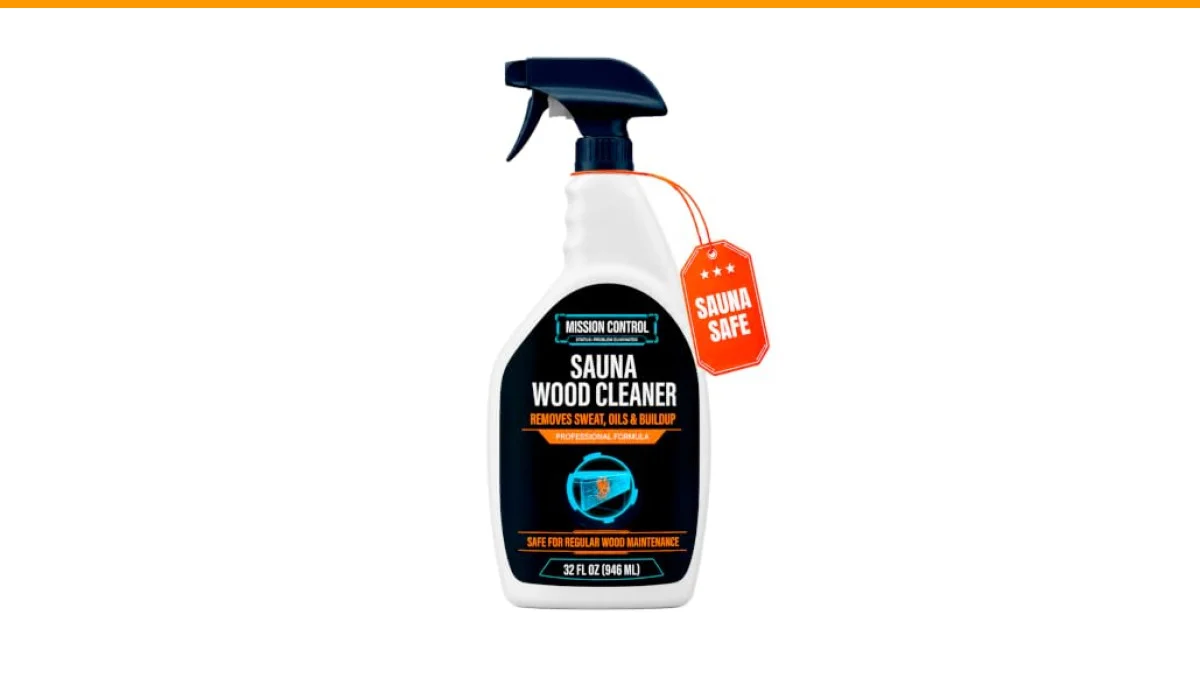
Mission Control
Mission Control 32 oz Sauna Wood Cleaner Spray | Removes Sweat, Body Oils & Buildup From Interior Surfaces Including Cedar - Wood-Safe Formula for Regular Sauna Maintenance
- STOPS THE STALE SAUNA SMELL - Sweat and body oils build up on cedar, hemlock, and pine, then come back as that musty towel smell e…
- WON'T RUIN YOUR SAUNA - Cleans the wood without stripping the natural finish or leaving residue that bakes off on the next session…
- MADE FOR SAUNA WOOD - Most untreated sauna wood, including cedar, hemlock, and pine. Benches, slat walls, backrests, headrests, an…
As you prepare to build or renovate your sauna, consider how important maintenance is. Using a product like Mission Control 32 oz Sauna Wood Cleaner Spray can help keep your sauna wood looking great. This cleaner is designed to eliminate the musty smell caused by sweat and oils while preserving your wood’s natural finish.
What is Pressure-Treated Wood?
Pressure-treated wood undergoes a process where preservatives are infused into the wood fibers under high pressure. This treatment helps protect the wood from decay, insects, and moisture. Common types of pressure-treated wood include pine and fir, often used in outdoor settings like decks, fences, and landscaping.
While pressure-treated wood offers durability, it comes with considerations, especially for an environment like a sauna. The chemicals used in the pressure treatment can off-gas when exposed to heat, raising questions about safety and health. Moreover, the moisture levels in a sauna can lead to the wood expanding and contracting, potentially affecting its integrity.
Pros and Cons of Using Pressure-Treated Wood
Let’s break down the benefits and drawbacks of using pressure-treated wood for your sauna’s base frame.
| Pros | Cons |
|---|---|
| Resistant to decay and insects | Can off-gas harmful chemicals |
| Cost-effective for large projects | May warp or crack under extreme conditions |
| Widely available | Not ideal for high-heat environments |
While pressure-treated wood is affordable and durable, its potential for chemical off-gassing and tendency to warp may not make it the best choice for sauna construction. If you decide to use it, ensure proper ventilation and monitor the wood’s condition regularly.
Alternatives to Pressure-Treated Wood
There are several wood types better suited for sauna construction. Cedar, hemlock, and pine are popular choices. Each has its advantages:
- Cedar: Naturally resistant to decay and insects, cedar has a pleasant aroma and does not off-gas harmful chemicals.
- Hemlock: A strong and stable wood, hemlock is less aromatic than cedar but offers good durability and resistance to warping.
- Pine: While common, untreated pine can be susceptible to decay. However, it can be a cost-effective option if properly treated and maintained.
When selecting wood for your sauna, consider the environment and the wood’s ability to withstand heat and humidity. It’s also essential to treat any untreated wood with suitable products to prevent decay.
Best Practices for Maintaining Your Sauna
Regardless of the wood you choose, maintenance is key to prolonging the life of your sauna. Here are some best practices:
- Clean regularly: Use a wood cleaner specifically designed for sauna wood, like the Mission Control Sauna Wood Cleaner Spray. This product effectively removes sweat and oil buildup without damaging the wood.
- Monitor humidity levels: Keep humidity in check to prevent wood warping and mold growth. Consider using a hygrometer to monitor moisture levels.
- Inspect for damage: Regularly check for cracks, warps, or other signs of wear in the wood. Address issues promptly to avoid further damage.
- Ventilation: Ensure proper airflow in the sauna to help dry out any excess moisture after use.
- Reapply finishes: If using untreated wood, consider applying a suitable wood finish to protect it from moisture.
Taking these steps will help ensure your sauna remains a safe and enjoyable space for years to come.
Frequently Asked Questions
1. Can I use pressure-treated wood for the entire sauna structure?
While you can use pressure-treated wood for non-visible structural components, it’s best to avoid it for areas exposed to heat. Opt for naturally resistant woods like cedar or hemlock for visible and heated areas.
2. How does moisture affect pressure-treated wood?
Moisture can cause pressure-treated wood to expand and contract, leading to warping or cracking. This is particularly concerning in a sauna’s high-humidity environment.
3. Are there any health concerns with pressure-treated wood?
Yes, pressure-treated wood can release harmful chemicals when heated. It’s crucial to ensure adequate ventilation if you choose to use it.
4. How often should I clean my sauna?
It’s advisable to clean your sauna at least once a week, especially if used frequently. Regular cleaning will help prevent odor buildup and maintain the wood’s appearance.
5. What is the best wood for sauna benches?
Cedar is often considered the best choice for sauna benches due to its natural resistance to moisture, decay, and its pleasant scent. Hemlock is also a good alternative.
Final Thoughts on Building Your Sauna
- Consider the environmental factors when selecting wood for your sauna.
- Pressure-treated wood can be used but may not be ideal for high-heat areas.
- Explore alternatives like cedar or hemlock for better durability and safety.
- Regular maintenance, including cleaning and inspections, is essential.
- Use dedicated sauna cleaners to maintain the wood’s integrity.
- Pay attention to humidity levels to avoid warping and mold growth.
- Choose materials wisely to create a safe and enjoyable sauna experience.