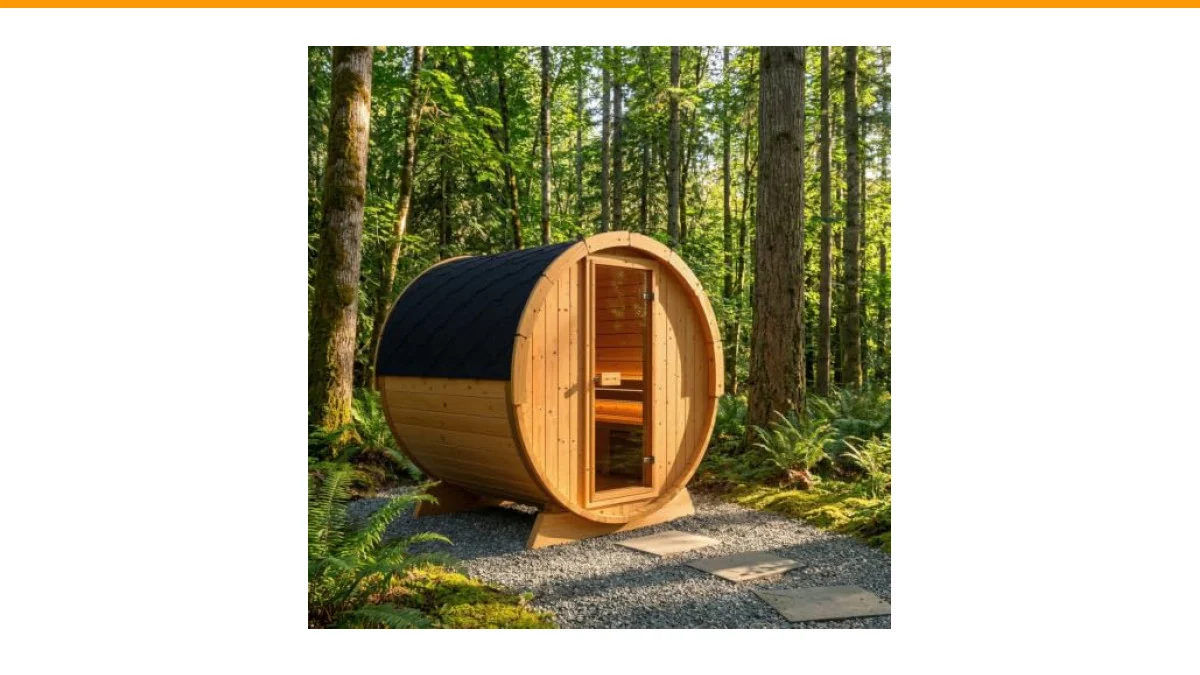
Imagine stepping into your home sauna after a long day. The heat envelops you, melting away stress while the soothing sounds of nature play softly in the background. However, if your sauna doesn’t maintain its warmth or if outside noises disrupt your relaxation, it may be time to consider an upgrade in insulation. One question that often arises is whether you can use Rockwool acoustic batts for sauna wall insulation. This article will explore the benefits and drawbacks of using Rockwool insulation in sauna applications, helping you make an informed choice.
Rockwool, also known as mineral wool, is known for its excellent sound-dampening properties and fire resistance. For those considering sauna construction or renovation, understanding the suitability of Rockwool acoustic batts can be a game changer. The product that may catch your attention is the 10 pk 24″ x 24″ x 1″ Rockwool ProRox Mineral Wool, which consists of strong, rigid stone wool insulation designed to absorb sound and insulate effectively.

Lynn Manufacturing
10 pk 24" x 24" x 1" Rockwool ProRox Mineral Wool, Replaces Owens Corning Thermafiber, BMW122-10PK
- 6lb/ft^3 Rockwool ProRox SL960 Mineral Wool - 10 sheets of strong, rigid stone wool insulation
- Heavy insulation is excellent at absorbing sound, is fire resistant, and insulates well. Can be used in sound recording studios as…
- Cuts easily with a knife

What Makes Rockwool Acoustic Batts Suitable for Sauna Insulation?
Rockwool’s composition provides several advantages that align well with sauna environments. Firstly, its fire-resistant properties ensure safety, especially in a space where heat is a constant factor. Rockwool can withstand temperatures up to 1,000 degrees Fahrenheit without melting or releasing harmful fumes. This feature is crucial for maintaining a safe sauna experience.
Secondly, Rockwool offers excellent thermal insulation. This material effectively traps heat, allowing your sauna to reach and maintain desired temperatures with less energy. For example, a sauna insulated with Rockwool may reach its optimal operating temperature faster and maintain it longer, leading to a more enjoyable experience.
Finally, its sound-dampening qualities contribute to a serene environment. While relaxing, you want to block out external noise as much as possible. Rockwool acoustic batts significantly reduce sound transmission, making your sauna a personal retreat.
Common Misconceptions About Rockwool in Sauna Applications
Despite its advantages, some misconceptions about using Rockwool in saunas persist. One common belief is that Rockwool is too dense and heavy for sauna walls. In reality, Rockwool batts are designed to be lightweight and easy to install. The ProRox batts, for instance, weigh approximately 6 lb/ft³, making them manageable for DIY enthusiasts.
Another misconception is that Rockwool can absorb moisture, leading to mold growth in humid environments. While Rockwool does absorb some moisture, it dries quickly and does not promote mold growth. Proper installation and ventilation in your sauna will mitigate any moisture-related concerns.
Installation Tips for Using Rockwool in Saunas
Installing Rockwool acoustic batts in your sauna can be straightforward with the right approach. Here are some essential tips:
- Measure and Cut: Before installation, measure your wall dimensions accurately. Rockwool batts are easy to cut with a utility knife, allowing you to fit them snugly between wall studs.
- Use a Vapor Barrier: To prevent moisture accumulation, install a vapor barrier on the inner side of the sauna walls. This barrier will protect your insulation from humidity.
- Ensure Ventilation: Proper ventilation is key in any sauna. Incorporate vents to allow air circulation, which helps maintain consistent temperature and humidity levels.
- Seal Gaps: After placing the batts, seal any gaps to ensure maximum insulation. Use acoustic caulk or tape designed for high-temperature applications.
Comparing Rockwool with Other Insulation Options for Saunas
While Rockwool has many benefits, it’s wise to compare it with other insulation materials. Here’s a table summarizing key features of Rockwool and other common insulation types:
| Insulation Type | Fire Resistance | Sound Dampening | Moisture Resistance | Thermal Performance |
|---|---|---|---|---|
| Rockwool | Yes (up to 1,000°F) | Excellent | Moderate | Good |
| Fiberglass | No | Fair | Low | Good |
| Spray Foam | Yes (varies) | Good | High | Excellent |
| Cellulose | Yes (with treatment) | Good | Moderate | Good |
FAQs About Using Rockwool Acoustic Batts for Sauna Wall Insulation
1. Can Rockwool insulation withstand high temperatures in a sauna?
Yes, Rockwool can withstand temperatures up to 1,000°F, making it suitable for sauna applications.
2. Does Rockwool absorb moisture in a sauna?
While Rockwool does absorb some moisture, it dries quickly and does not encourage mold growth if installed correctly.
3. How does Rockwool compare to fiberglass for sauna insulation?
Rockwool offers better fire resistance and sound dampening compared to fiberglass, making it a superior choice for sauna environments.
4. Is Rockwool easy to install in a sauna?
Yes, Rockwool is lightweight and can be easily cut to fit between studs, making installation manageable for DIY projects.
5. Should I use a vapor barrier with Rockwool in my sauna?
Yes, a vapor barrier is essential to prevent moisture from accumulating in the insulation, ensuring longevity and effectiveness.
Final Thoughts on Using Rockwool Acoustic Batts in Saunas
- Rockwool acoustic batts provide excellent thermal insulation and sound dampening.
- The material is fire-resistant, making it suitable for sauna applications.
- Installation is straightforward, but proper techniques will enhance performance.
- A vapor barrier is necessary to manage moisture effectively.
- Comparing Rockwool to other options reveals its distinct advantages for sauna insulation.
- Research the specific product, such as the Rockwool ProRox, for your insulation needs.
- Consult professionals if you’re unsure about installation or insulation requirements.