 Ceramic Heaters: The Complete GuideWatch on YouTube
Introduction
Imagine it’s a chilly evening, and the temperature drops unexpectedly. You reach for your ceramic heater, hoping to create a warm, inviting space quickly. Yet, a nagging thought crosses your mind: how much electricity will it consume? Understanding the electricity usage of ceramic heaters can help you make informed decisions about your heating needs without breaking the bank.
This article will delve into the specifics of ceramic heater electricity usage, providing you with a detailed chart and practical insights. You’ll learn how to maximize efficiency while minimizing costs, allowing you to enjoy warmth without the worry of high energy bills.

Amazon Basics
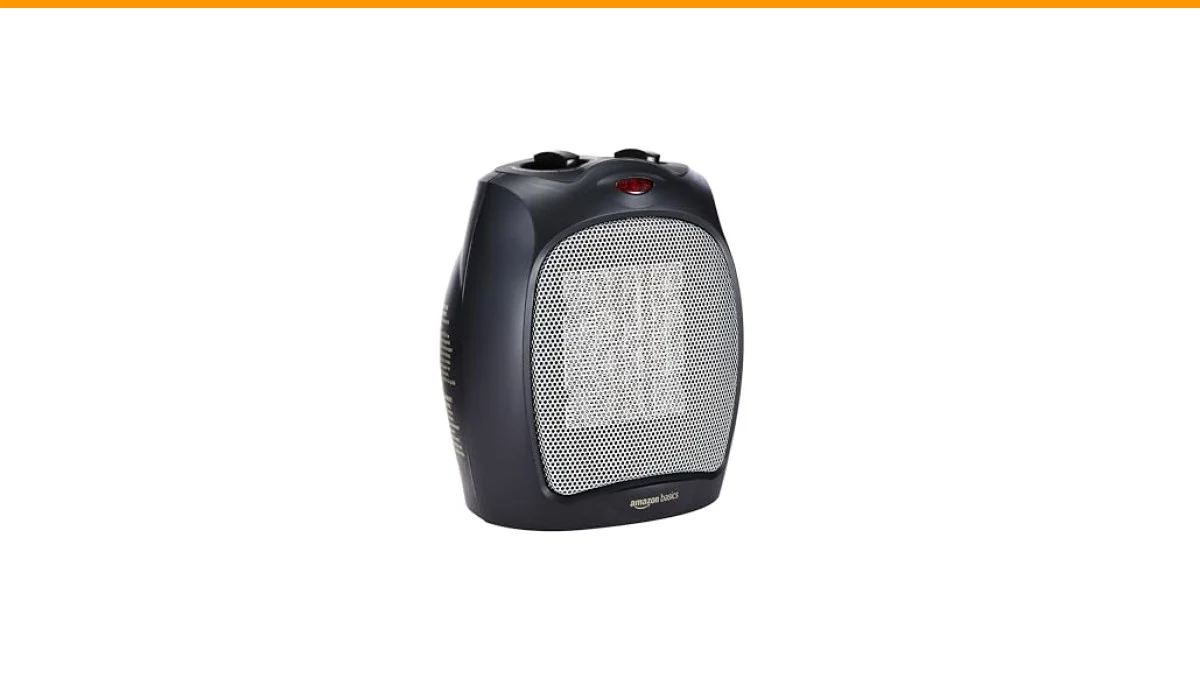
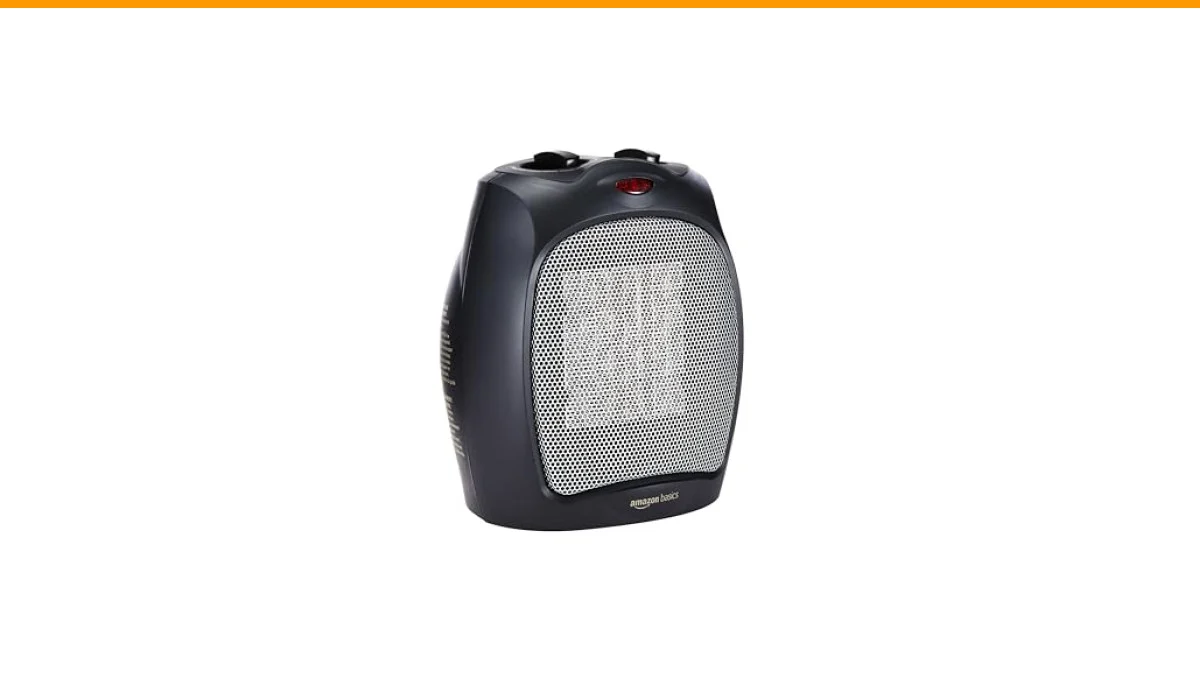
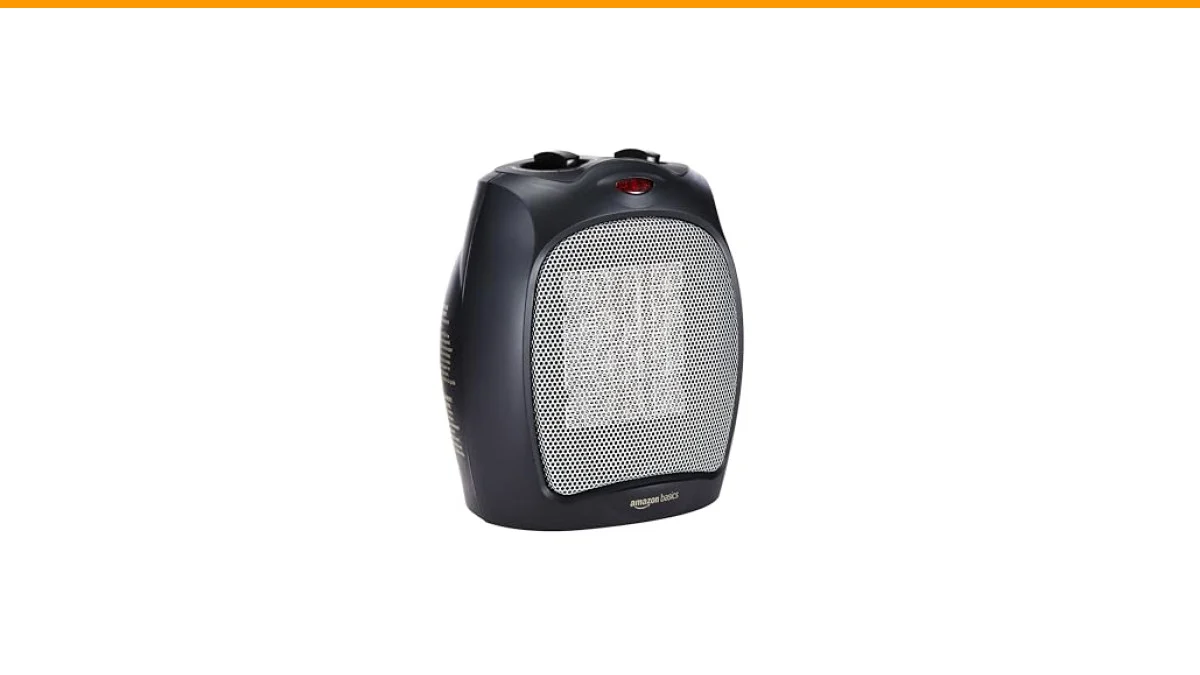
Amazon Basics Ceramic Space Heater, Portable Indoor Heating Solution, With Overheat and Tip-Over Protection, Thermostat, Non-Oscillating, 1500W, 7.52"D x 6.34"W x 9.45"H, Black
- CUSTOMIZABLE HEATING OPTIONS: Choose from three settings to suit your needs - High (1500W), Low (900W), or Fan Only for air circul…
- COMPACT & PORTABLE: Weighing just 3 lbs and sized at 7.5“L x 6.3”W x 9.5“H, this space heater is easy to move and perfect for your…
- Built-in Tip-Over Protection, Overheat Protection, and a Power Indicator Light for safe operation.
As a practical example, consider the Amazon Basics Ceramic Space Heater. This compact and portable heater offers customizable heating options and safety features, making it an excellent choice for various settings.
Understanding Power Consumption
Power consumption in ceramic heaters is typically measured in watts (W). Most ceramic heaters, like the Amazon Basics model, come with multiple settings, allowing users to choose the wattage based on their heating needs:
- High Setting: 1500 watts
- Low Setting: 900 watts
- Fan Only: Minimal power usage
At 1500 watts, the heater uses 1.5 kilowatt-hours (kWh) of electricity per hour. In contrast, the low setting uses 0.9 kWh. This variance can significantly impact your monthly energy bill, especially during colder months when the heater runs for extended periods.
Electricity Usage Chart
The following chart summarizes the estimated electricity costs based on different usage scenarios:
| Setting | Wattage (W) | Hourly Consumption (kWh) | Monthly Cost (30 Days @ $0.12/kWh) |
|---|---|---|---|
| High | 1500 | 1.5 | $54.00 |
| Low | 900 | 0.9 | $32.40 |
| Fan Only | 50 | 0.05 | $1.80 |
This chart demonstrates that running a ceramic heater on the high setting can lead to considerable monthly costs. In contrast, using the low setting or fan-only mode provides a more economical option.
Common Misconceptions About Ceramic Heater Efficiency
Misconception 1: Higher Wattage Means Faster Heating
Many people believe that a higher wattage guarantees quicker heating. While it’s true that higher wattage provides more heat output, it doesn’t equate to faster overall heating of a room. Room size, insulation, and air circulation also play critical roles in heating efficiency.
Misconception 2: All Heaters Use the Same Amount of Electricity
Not all space heaters consume electricity equally. The efficiency of ceramic heaters, compared to other types like infrared or oil-filled heaters, can vary widely. Ceramic heaters often heat up quickly but may not retain heat as efficiently as others, leading to higher overall usage in certain situations.
Frequently Asked Questions
1. How can I reduce my ceramic heater electricity costs?
Using a programmable timer can help. Set the heater to run only when needed, and consider lowering the thermostat during off-peak hours.
2. Is it safe to leave a ceramic heater running overnight?
Many ceramic heaters, like the Amazon Basics model, come with safety features such as tip-over and overheat protection, making them safe for overnight use. However, it’s always wise to follow manufacturer recommendations.
3. What is the lifespan of a ceramic heater?
A well-maintained ceramic heater can last between 5 to 10 years. Regular cleaning and proper usage will extend its lifespan.
4. Can ceramic heaters heat large rooms effectively?
While ceramic heaters are great for supplemental heating, they may struggle to heat large, open spaces efficiently. Consider using multiple units for better coverage.
5. What should I look for when buying a ceramic heater?
Look for features like multiple heat settings, safety certifications, portability, and noise levels. The Amazon Basics model, for instance, offers a solid balance of performance and safety.
Final Thoughts
- Choose the right wattage setting based on your needs.
- Monitor your usage to understand costs better.
- Consider additional features for safety and convenience.
- Regular maintenance can prolong your heater’s life.
- Use a timer to manage on/off cycles effectively.
- Understand room size and insulation to optimize heating.
- Evaluate your heater’s efficiency compared to other models.