Understanding Heat Distribution in Infrared Heaters
Heaters come in various types, each with unique methods of generating and distributing heat. In colder months, you may find yourself seeking warmth in the swiftest way possible, especially when dealing with chilly rooms. Infrared heaters stand out for their ability to provide immediate warmth by emitting infrared radiation, which heats objects and individuals directly rather than the air. This feature can be particularly comforting when you need quick relief from the cold.
Two common types of infrared heaters are ceramic and carbon panel models. Both have their strengths and weaknesses, especially in terms of heat distribution. This article will clearly outline the differences between ceramic heater infrared and carbon panel infrared heat distribution, helping you decide which option suits your needs best.

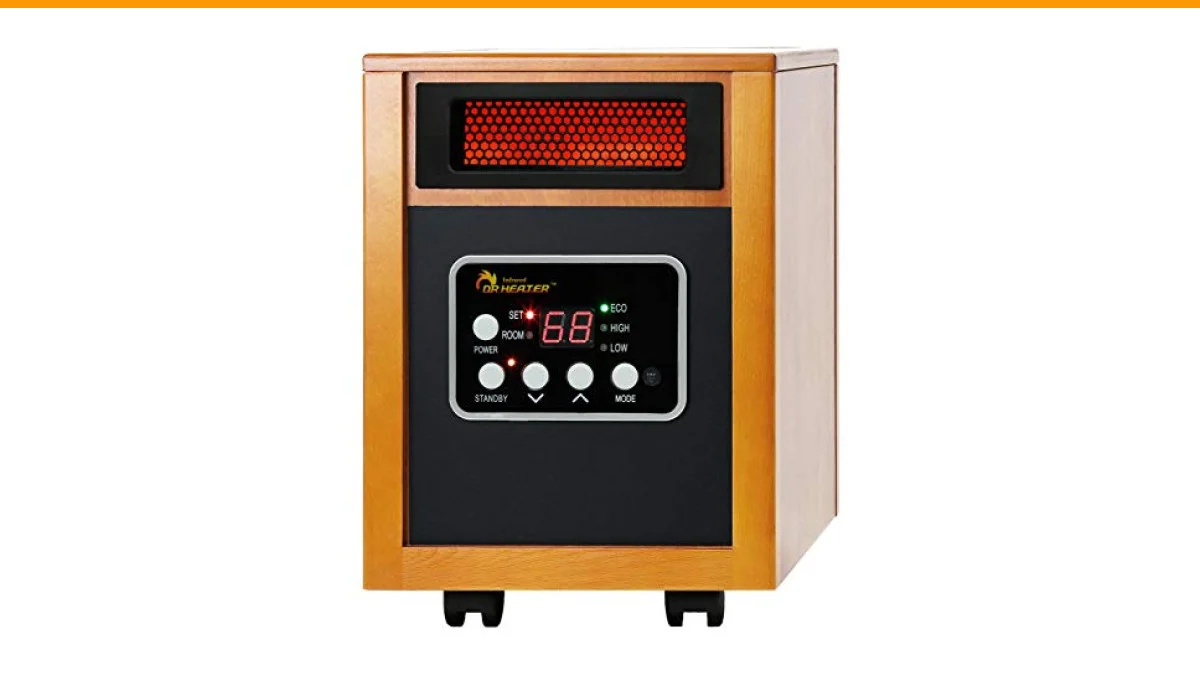
DR. INFRARED HEATER
Dr Infrared Heater DR-968 Portable Space Heater, 1500-Watt, Cherry
- Can heat up a large room with Auto Energy Saving Model With High and Low Feature. Tip-over protection and Overheat protection.Heat…
- Dual Heating Systems featuring infrared quartz tube + PTC with 12-Hour automatic shut-off timer. Amperage: 12.5 Amps
- IR Remote Control, High Pressure Low Noise Blower with Noise level 39 dB super quiet. Heating can cover for a large room.
The Dr Infrared Heater DR-968 offers a dual heating system that combines infrared quartz tubes with PTC technology, making it a noteworthy choice for larger rooms. It heats spaces more effectively than many traditional heaters, ensuring a comfortable environment.
Ceramic Heaters: How They Work
Ceramic heaters use a ceramic heating element that produces infrared heat. When electric current passes through this element, it generates warmth that radiates outward. This design allows ceramic heaters to heat spaces quickly, as the ceramic element retains heat well.
In terms of heat distribution, ceramic heaters excel at providing localized warmth. They can effectively warm small to medium-sized rooms, making them ideal for personal use or specific areas. The heat tends to rise, creating a warm layer near the ceiling and cooler air near the floor. This stratification can be less efficient in larger spaces, where the heat may not reach all areas evenly.
Carbon Panel Heaters: An Overview
Carbon panel heaters utilize carbon fiber heating elements. These panels emit infrared radiation that heats up quickly and provides a more uniform heat distribution throughout a space. Unlike ceramic heaters, carbon panels can operate at lower temperatures while still delivering effective heat, which can be more energy-efficient.
The heat generated from carbon panel heaters tends to penetrate deeper into the objects and people in the room. This characteristic makes them suitable for larger spaces, as the heat can spread more evenly across a broader area. Carbon panel heaters also have the advantage of being lightweight and easy to mount on walls, which can save floor space.
Direct Comparison: Ceramic vs. Carbon Panel Infrared Heat Distribution
| Feature | Ceramic Heaters | Carbon Panel Heaters |
|---|---|---|
| Heat Source | Ceramic heating element | Carbon fiber panels |
| Heating Speed | Fast, effective for small areas | Rapid, uniform for larger areas |
| Heat Distribution | Localized, can create temperature stratification | Even, penetrates objects more deeply |
| Energy Efficiency | Moderate, retains heat well | High, operates at lower temperatures |
| Portability | Portable, good for personal use | Lightweight, can be mounted on walls |
What’s the best choice for large rooms?
For larger rooms, carbon panel heaters generally outperform ceramic heaters. Their ability to provide even heat distribution makes them more effective in such environments.
Are ceramic heaters suitable for outdoor use?
Ceramic heaters are typically designed for indoor use. Using them outdoors may lead to safety risks, as they can be affected by moisture and wind.
Do carbon panel heaters require special installation?
While many carbon panel heaters are designed for easy installation, some models may require professional mounting, especially if they are wall-mounted.
Which heater is more energy-efficient?
Carbon panel heaters tend to be more energy-efficient than ceramic heaters because they can heat a space effectively while using less energy.
How long do these heaters typically last?
Both ceramic and carbon panel heaters can last several years with proper care. Regular maintenance and avoiding overuse can extend their lifespan significantly.
Final Thoughts on Choosing the Right Heater
- Consider the size of the room when selecting a heater.
- Ceramic heaters work well for localized heating in smaller spaces.
- Carbon panel heaters are better for even heating across larger areas.
- Evaluate energy efficiency based on your usage needs.
- Take into account portability and installation requirements.
- Look for features like remote controls and safety mechanisms for added convenience.
- Always check for current product reviews and specifications before purchasing.