As temperatures drop, many people rely on ceramic heaters to maintain warmth in their homes. Imagine coming back after a long day, only to find your living space cold and unwelcoming. The right ceramic heater can make all the difference, especially one equipped with an efficient thermostat. Understanding how a ceramic heater thermostat works can help you choose the best unit for your needs and ensure optimal heating efficiency.
This article will delve into the mechanics of ceramic heater thermostats, their benefits, and some common misconceptions. By the end, you’ll have a clear understanding of how these devices function, what to look for when shopping, and how to maximize the benefits of your heating solution.

Amazon Basics
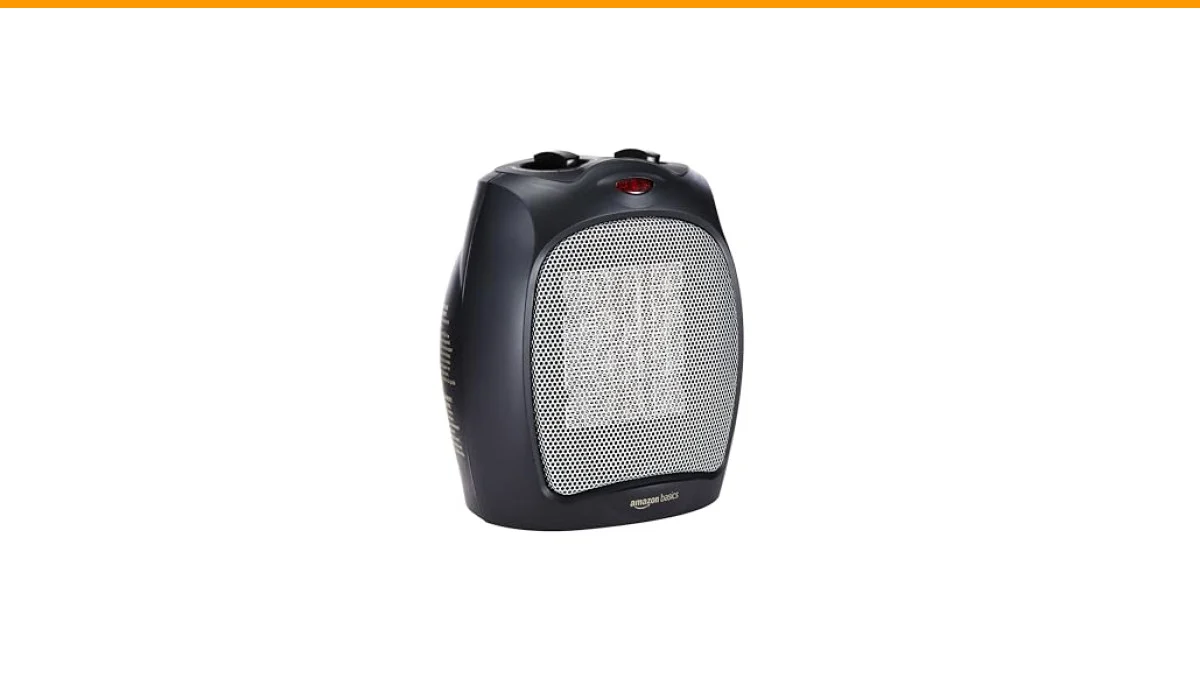
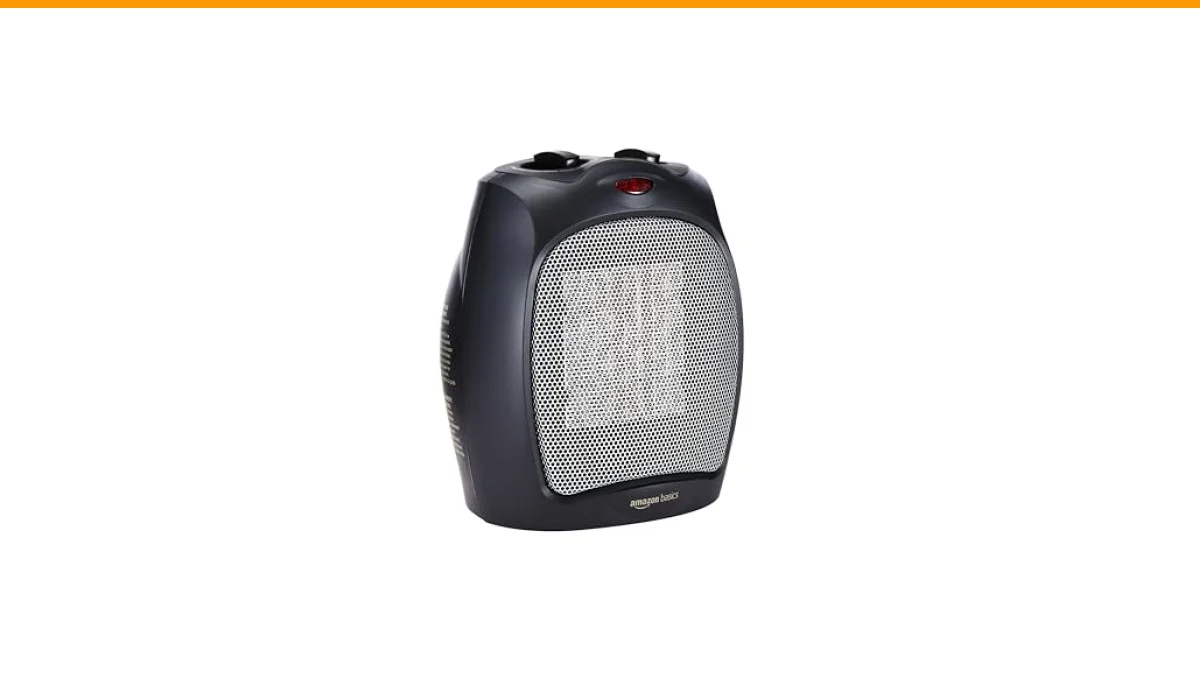
Amazon Basics Ceramic Space Heater, Portable Indoor Heating Solution, With Overheat and Tip-Over Protection, Thermostat, Non-Oscillating, 1500W, Fast Heating, 7.52"D x 6.34"W x 9.45"H, Silver
- CUSTOMIZABLE HEATING OPTIONS: Choose from three settings to suit your needs - High (1500W), Low (900W), or Fan Only for air circul…
- COMPACT & PORTABLE: Weighing just 3 lbs and sized at 7.5“L x 6.3”W x 9.5“H, this space heater is easy to move and perfect for your…
- Built-in Tip-Over Protection, Overheat Protection, and a Power Indicator Light for safe operation.
If you’re considering an excellent option for a ceramic heater, the Amazon Basics Ceramic Space Heater is a solid choice. It features customizable heating options and built-in safety features, including a thermostat for enhanced comfort and control.
What is a Ceramic Heater Thermostat?
A ceramic heater thermostat is a device that regulates the temperature of a ceramic heater. It does this by turning the heater on or off based on the room’s temperature, ensuring that the space remains at a set comfort level. Most ceramic heaters come with built-in thermostats that allow users to set their desired temperature, which the heater maintains automatically.

 FARADAY Space Heater for Indoor Use, ECO Mode with Thermostat, 70° Oscillating (Review)Watch on YouTube
How Ceramic Heater Thermostats Work
At the core of a ceramic heater thermostat is a sensor that detects the ambient temperature. When the room temperature dips below the preset level, the thermostat signals the heater to turn on. Once the desired temperature is reached, the thermostat turns the heater off.
Most ceramic heater thermostats operate using one of two common types:
- Mechanical Thermostats: These use a bimetallic strip that bends in response to temperature changes. As the strip bends, it contacts a switch that turns the heater on or off. Mechanical thermostats are simple and cost-effective, but they may lack precision.
- Digital Thermostats: Digital models employ electronic sensors for more accurate temperature readings. They often come with programmable settings, allowing users to set specific heating schedules. Although they tend to be slightly more costly, their precision and features can justify the investment.
Benefits of Using a Thermostat with Your Ceramic Heater
Installing a ceramic heater with a thermostat offers several advantages:
- Energy Efficiency: A thermostat helps avoid unnecessary energy consumption by turning the heater off when the desired temperature is achieved.
- Consistent Comfort: Thermostats maintain a stable temperature, eliminating the discomfort of fluctuating heat levels.
- Safety Features: Many modern thermostats include safety features like overheat protection, ensuring the heater doesn’t get too hot.
Common Misconceptions About Ceramic Heater Thermostats
Many people have misconceptions about how ceramic heater thermostats function. Here are two of the most prevalent:
No, More Watts Doesn’t Mean Better Temperature Control
It’s a common belief that higher wattage results in quicker heating and better temperature control. While it’s true that a higher wattage heater can generate more heat, it doesn’t necessarily equate to better thermostat performance. A well-designed thermostat can effectively manage temperature regardless of the heater’s wattage.
Thermostats Don’t Always Save Money
While thermostats can help save energy, they might not always lead to significant savings. If your heater is oversized for the space, it may cycle on and off frequently, leading to higher energy bills. Choosing the right size heater for your room is crucial for optimizing energy efficiency.
Comparing Ceramic Heater Thermostat Options
| Feature | Mechanical Thermostat | Digital Thermostat |
|---|---|---|
| Temperature Accuracy | Less accurate | Highly accurate |
| Ease of Use | Simple | User-friendly with programming options |
| Cost | Generally cheaper | Higher initial investment |
| Energy Efficiency | Moderate | High |
| Safety Features | Basic | Advanced features available |
What temperature should I set my ceramic heater thermostat to?
The ideal temperature depends on personal comfort, but a range of 68°F to 72°F (20°C to 22°C) is generally recommended for living spaces.
Can I use a ceramic heater with a thermostat in a bathroom?
Most ceramic heaters, including those with thermostats, should not be used in humid environments like bathrooms. Always check the manufacturer’s guidelines.
Do all ceramic heaters have thermostats?
No, not all ceramic heaters come with built-in thermostats. When purchasing, always verify if a thermostat is included.
How do I know if my thermostat is malfunctioning?
Signs include the heater not turning off when the desired temperature is reached, inconsistent heating, or unusual noises. If you notice these issues, it may be time to replace the thermostat.
Can I install a thermostat separately for my ceramic heater?
Installing a separate thermostat is possible, but it requires electrical know-how. Consult a professional if you’re unsure how to proceed.
Final Thoughts on Ceramic Heater Thermostats
- Understand how thermostats work to choose the right heater.
- Consider both mechanical and digital thermostat options.
- Beware of misconceptions about wattage and efficiency.
- Ensure your heater is properly sized for the space.
- Regularly check and maintain your heater for optimal performance.
- Explore options like the Dreo space heater for advanced features.
- Research safety features available in modern ceramic heaters.