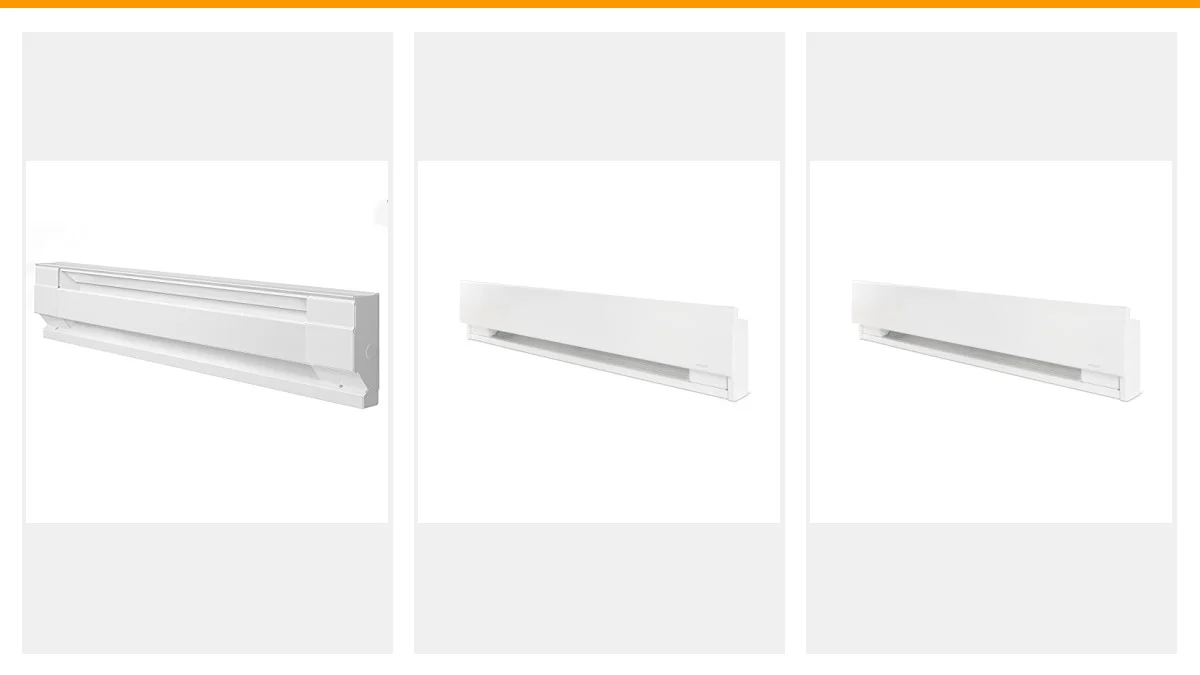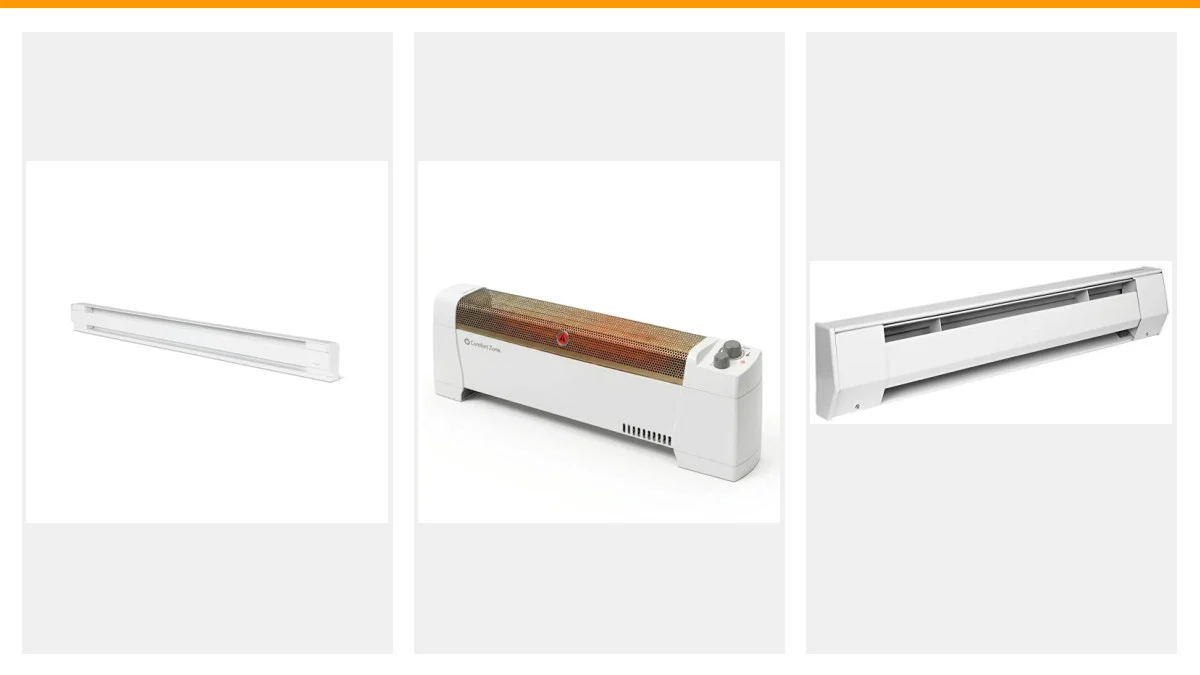
Introduction to Ceramic and Oil-Filled Heaters
As winter approaches, many homeowners face the challenge of keeping their spaces warm and comfortable without racking up exorbitant heating bills. Standing in the aisle of a home improvement store, you might find yourself wondering: Should I choose a ceramic heater or an oil-filled heater? Both options promise warmth, but they work differently and cater to specific needs. This article will break down their functionality, performance, and suitability for various environments to help you make an informed decision.
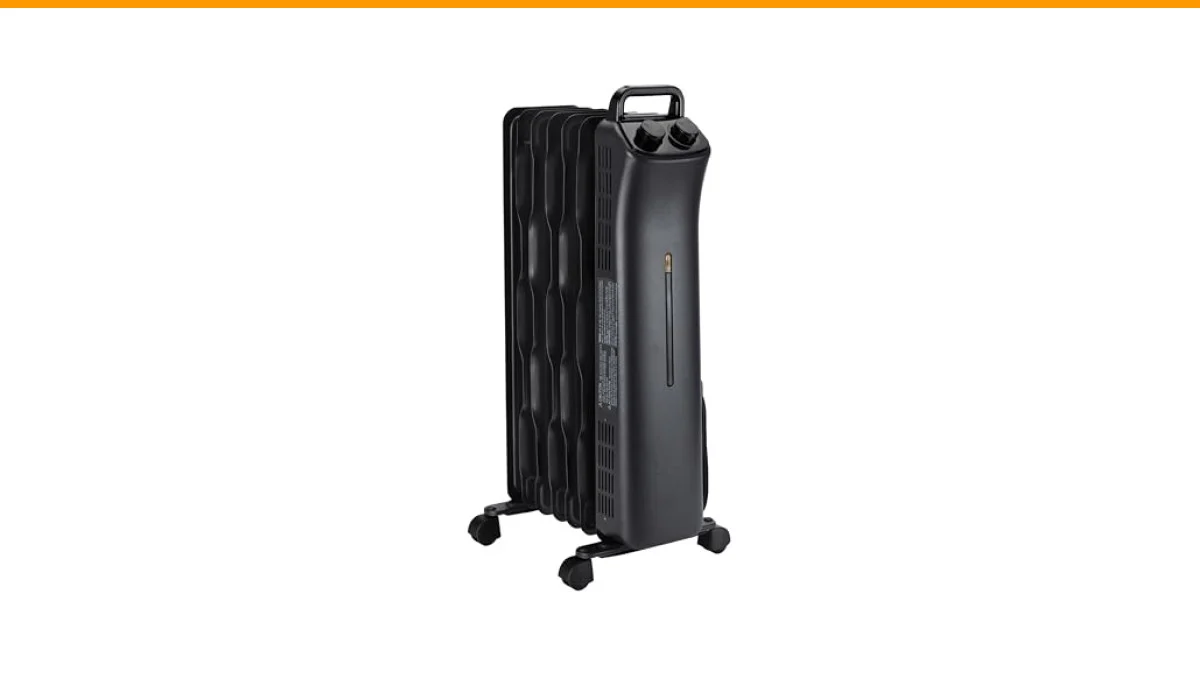
You’ll walk away with a clear understanding of how each type operates, their pros and cons, and practical considerations based on room size, safety features, and energy efficiency. If you’re considering a product to keep your space cozy, the Amazon Basics Portable Oil Space Heater is a notable option. This oil-filled heater features seven fins for improved heat distribution and adjustable settings, ensuring your comfort while maintaining energy efficiency.
How Do Ceramic and Oil-Filled Heaters Work?
Ceramic heaters use a ceramic element to produce heat. The ceramic component heats up quickly and effectively warms the air around it, often utilizing a fan to distribute warmth. This makes ceramic heaters ideal for immediate warmth in smaller spaces. Typically, they can reach maximum heating in about 30 seconds to 2 minutes.
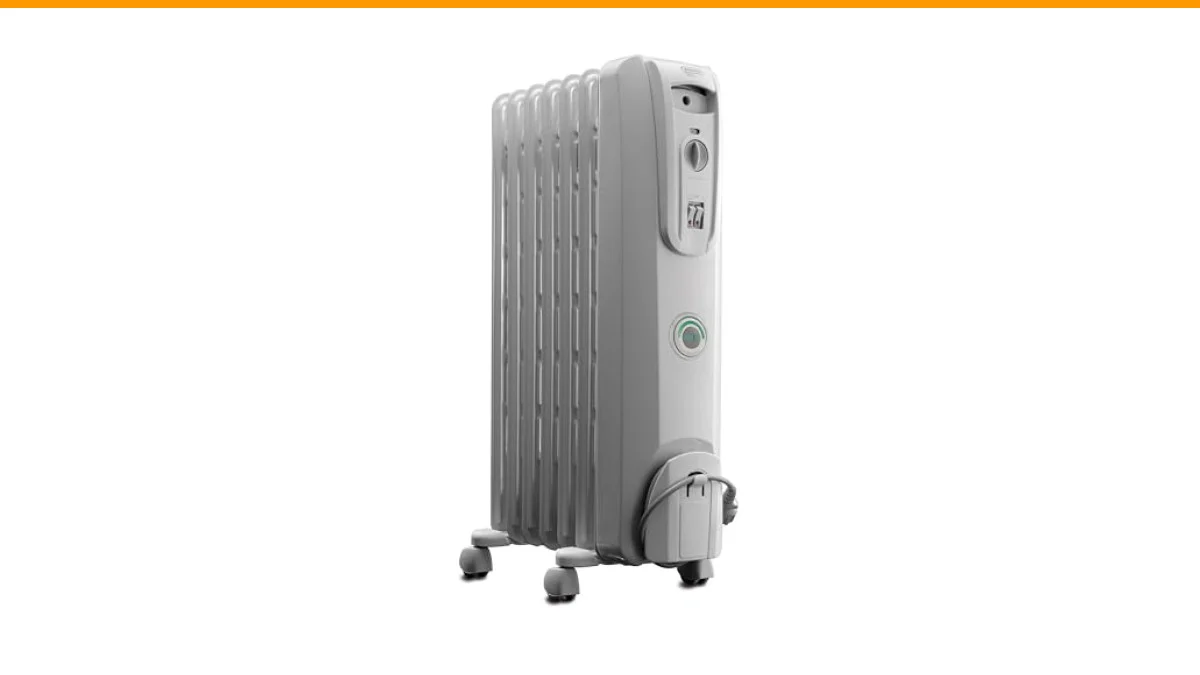
Oil-filled heaters, on the other hand, employ a different mechanism. They contain oil sealed within their metal fins. This oil is heated, and the fins radiate warmth into the room. The radiators take longer to heat up—usually around 10-15 minutes—but maintain warmth for longer periods, even after being turned off. This retained heat can offer a more consistent temperature in a room over time.
Performance Comparison: Heating Efficiency and Warm-Up Time
When comparing ceramic vs oil-filled heaters, heating efficiency and warm-up time are crucial factors. Ceramic heaters excel in rapid heating, making them suitable for quick bursts of warmth. A typical ceramic heater can produce 1500 watts of heat, effectively warming a small room within minutes.
Oil-filled heaters are less immediate but more efficient in long-term heating. They generally use a similar wattage, but their heat retention allows them to maintain warmth for an extended period. For example, when set to medium (900W), an oil-filled heater can keep a room warm for hours, even after being turned off.
| Feature | Ceramic Heater | Oil-Filled Heater |
|---|---|---|
| Warm-Up Time | 30 seconds – 2 minutes | 10 – 15 minutes |
| Heat Retention | Short-term | Long-term |
| Energy Efficiency | High for quick heating | Excellent for prolonged use |
| Best Use | Small rooms, short durations | Medium to large spaces, long durations |
Safety Features: Protecting Your Home and Family
Safety is paramount when choosing a heater. Both ceramic and oil-filled heaters come with essential safety features. Ceramic heaters often have overheat protection and tip-over switches, which automatically turn off the unit if it tips over, reducing fire risks.
Oil-filled heaters also boast similar safety features. The Amazon Basics Portable Oil Space Heater, for example, includes overheat protection and a tip-over switch, ensuring safe operation. Additionally, because the exterior of oil-filled heaters remains cooler to the touch compared to ceramic heaters, they may pose a lower burn risk for children and pets.
Portability and Design: Which Heater Fits Your Space?
Portability is a significant factor for many users. Ceramic heaters tend to be lightweight and compact, making them easy to move from room to room. Many models include handles or casters for added convenience.
Oil-filled heaters, while generally heavier, often come with wheels for mobility. They have a more traditional radiator design, which may not suit modern aesthetics, but their sturdy build can be beneficial for long-term use. Consider your space and whether you need to move the heater frequently or keep it in one place.
Noise Levels: Comfort and Quiet Operation
Noise levels can greatly affect comfort, especially in bedrooms or quiet workspaces. Ceramic heaters typically use a fan to circulate heat, which can produce noticeable noise during operation. This may be suitable for some, but others may find it distracting.
Oil-filled heaters operate silently since they don’t use a fan. The lack of moving parts means they can provide warmth without any background noise, making them ideal for sleeping areas or quiet environments.
Maintenance and Longevity: Keeping Your Heater Efficient
Maintenance requirements differ between the two types of heaters. Ceramic heaters generally need regular dusting and occasional filter cleaning if applicable. They can last several years with proper care.
Oil-filled heaters are virtually maintenance-free, as the oil is sealed and doesn’t require refills. Their longevity can exceed 10 years with proper use, making them a long-term investment. However, if the heater does encounter an issue, repairs can sometimes be more complicated due to the sealed nature of the unit.
Environmental Impact: Sustainability Considerations
Both heater types have varying environmental impacts. Ceramic heaters, with their quick heating capabilities, reduce the time they need to be on, potentially lowering energy consumption. However, if used continuously, they can lead to higher energy costs over time.
Oil-filled heaters, while initially using more energy to heat up, can maintain warmth longer, leading to lower overall energy usage in well-insulated spaces. If sustainability is a concern, look for models with energy-saving features or certifications.
User Reviews: Real-World Performance Insights
User experiences provide valuable insight into heater performance. Many reviewers appreciate the quick heating of ceramic models for their speed, particularly in small spaces. Users often mention how they can warm a room within minutes, making them ideal for personal use.
In contrast, oil-filled heater users frequently highlight the consistent warmth and low noise levels. They often note that even after the heater is turned off, the room remains warm for an extended period, which adds to the comfort level. Consider reading reviews on platforms like Amazon to gather firsthand accounts of performance and reliability.
Final Thoughts: Which Heater is Right for You?
The choice between a ceramic and oil-filled heater depends largely on your specific heating needs. Ceramic heaters are perfect for quick, efficient heating in small spaces, while oil-filled heaters excel in maintaining warmth over longer periods.
Think about where and how you plan to use the heater. Do you need immediate heat for a small room, or are you looking for a reliable unit to keep a larger area warm for several hours? Assessing your needs will guide you in selecting the best option.
Actionable Points to Consider
- Evaluate your room size and heating needs.
- Consider energy efficiency and operating costs over time.
- Look for safety features, especially if you have children or pets.
- Read user reviews to gauge real-world performance.
- Think about how often you’ll need to move the heater.
- Assess the environmental impact and energy-saving features.
- Decide based on whether you prefer quiet operation or rapid heating.