As winter approaches, many homeowners face the dilemma of how to keep their living spaces warm without incurring exorbitant energy bills. Imagine a chilly evening where you only need to heat your bedroom or office, yet the thought of turning on the entire central heating system feels wasteful. You might wonder: is it cheaper to heat one room with an electric heater instead? This article will guide you through the cost implications, energy efficiency, and overall effectiveness of heating individual spaces.
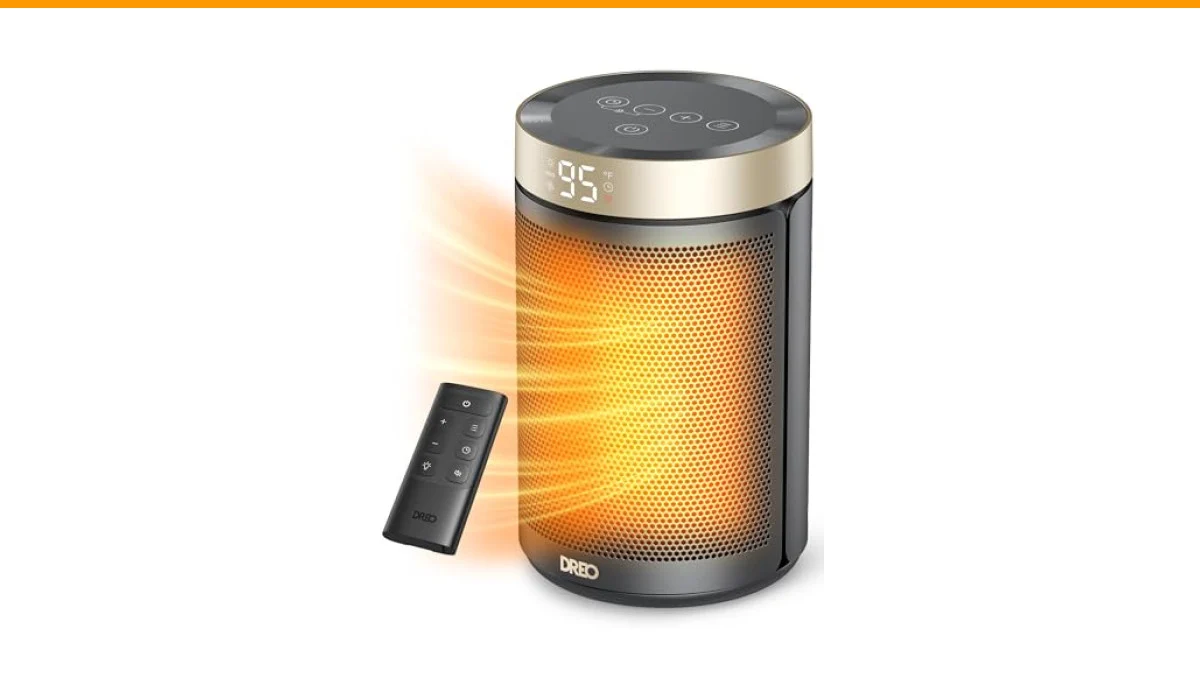
Electric heaters, particularly portable options like the DREO Space Heater, allow you to focus warmth where you need it most. This model offers features such as a thermostat for precise temperature control, a quiet operation, and multiple heating modes, making it a practical choice for room-specific heating.

DREO
DREO Space Heater, Portable Electric Heaters for Indoor Use with Thermostat | 2026 Upgraded, 34dB Quiet, 12H Timer, 5 Mode, Remote, 1500W PTC Ceramic Fast Safety Heat for Office Bedroom Home, Gold
- Powerful heat that fits everywhere: DREO space heaters for indoor combines Hyperamics 1500W advanced PTC system with a new heat fu…
- Unbreakable safety:DREO goes beyond the unexpected to deliver peace of mind with every room heater. The innovative tilt-detection…
- Ultimate temperature control: The enhanced NTC chipset brings more precision to turn your space heater with thermostat into a smar…
 Yes, it can be cheaper to use a space heater to warm up a room in your homeWatch on YouTube
Understanding Electric Heaters
Electric heaters convert electrical energy into heat, and they come in various types, including convection heaters, radiant heaters, and fan-forced heaters. Each has its unique advantages and use cases. For instance, convection heaters warm the air in a room, while radiant heaters provide immediate warmth to objects directly in their path.
The efficiency of electric heaters typically ranges from 80% to 100%. This means most of the electrical energy is converted into heat, making them reliable for heating small spaces. However, they can consume a significant amount of electricity, especially when used extensively.
Cost Analysis of Heating One Room
To determine if it’s cheaper to heat one room with an electric heater, consider the following factors:
- Electricity Rates: Check your local utility rates. The average cost per kilowatt-hour (kWh) can vary widely. For example, if your rate is $0.12/kWh and your heater uses 1,500 watts (1.5 kW), running it for one hour costs approximately $0.18.
- Usage Duration: How many hours a day do you plan to run the heater? If you only need heat for a few hours in the evening, the cost remains lower than heating the entire house.
- Room Size: The size of the room affects heating efficiency. A small room may heat quickly, while a larger space might require more energy.
- Heater Efficiency: Some electric heaters, like the DREO model mentioned earlier, offer advanced heating technology that maximizes warmth while minimizing energy usage.
Comparing Heating Options
Here’s a comparative look at different heating methods for a single room:
| Heating Method | Initial Cost | Operating Cost (per hour) | Heating Time | Efficiency |
|---|---|---|---|---|
| Electric Space Heater | Low | $0.18 (1.5 kW) | Quick (minutes) | 80-100% |
| Central Heating | High | $0.25 (depends on system) | Slow (20-30 mins) | 70-90% |
| Oil Heater | Medium | $0.15 (varies) | Moderate (10-15 mins) | 80-90% |
| Radiant Heater | Medium | $0.12 (1.5 kW) | Quick (minutes) | 90-100% |
Frequently Asked Questions
1. How much does it cost to run an electric heater for 24 hours?
Running a 1,500-watt electric heater for 24 hours costs around $4.32, assuming an electricity rate of $0.12/kWh. This calculation is based on 1.5 kW multiplied by 24 hours, then multiplied by the cost per kWh.
2. Can I heat multiple rooms with one electric heater?
While it’s possible to move the heater from room to room, it’s generally less efficient than using multiple heaters, especially if rooms are far apart.
3. Are electric heaters safe for overnight use?
Yes, electric heaters are safe for overnight use as long as they are certified and equipped with safety features like tip-over protection. The DREO heater is designed with safety in mind, featuring a tilt-detection sensor and flame-retardant materials.
4. Do electric heaters increase my electricity bill significantly?
Your electricity bill will increase with the use of electric heaters, but the extent depends on usage. Targeting specific rooms usually results in lower costs than heating the entire house.
5. What are the best practices for using an electric heater economically?
Set the heater to a comfortable temperature, use it only in occupied rooms, and consider using a timer to limit operation during the night or when you’re not home.
Final Thoughts on Heating One Room
- Electric heaters can be a cost-effective solution for heating specific rooms.
- Understanding your local electricity rates helps in calculating potential costs.
- Efficiency varies by heater type; choose one that suits your needs.
- Safety features are critical, especially for overnight use.
- Ultimately, using an electric heater can lead to significant savings in energy costs compared to central heating systems.
For more insights on safe and effective heating solutions, check out our articles on safest electric space heaters and electric space heaters for bedrooms.

