Understanding the Need for CO Alarms with Gas Heaters
Every winter, families turn on their gas heaters, enjoying the warmth and comfort they provide. However, many overlook a crucial safety measure: carbon monoxide (CO) alarms. A malfunctioning gas heater can lead to the dangerous accumulation of carbon monoxide, a colorless and odorless gas that can cause serious health issues or even death. It’s essential to recognize that gas heaters, while efficient, can pose significant risks if not monitored correctly.
This article will provide you with vital information about CO alarms specifically designed for gas heaters. You’ll understand their importance, learn how to choose the right one, and discover the features that make a difference. By the end, you will be equipped to make informed decisions about your household safety.
Kidde
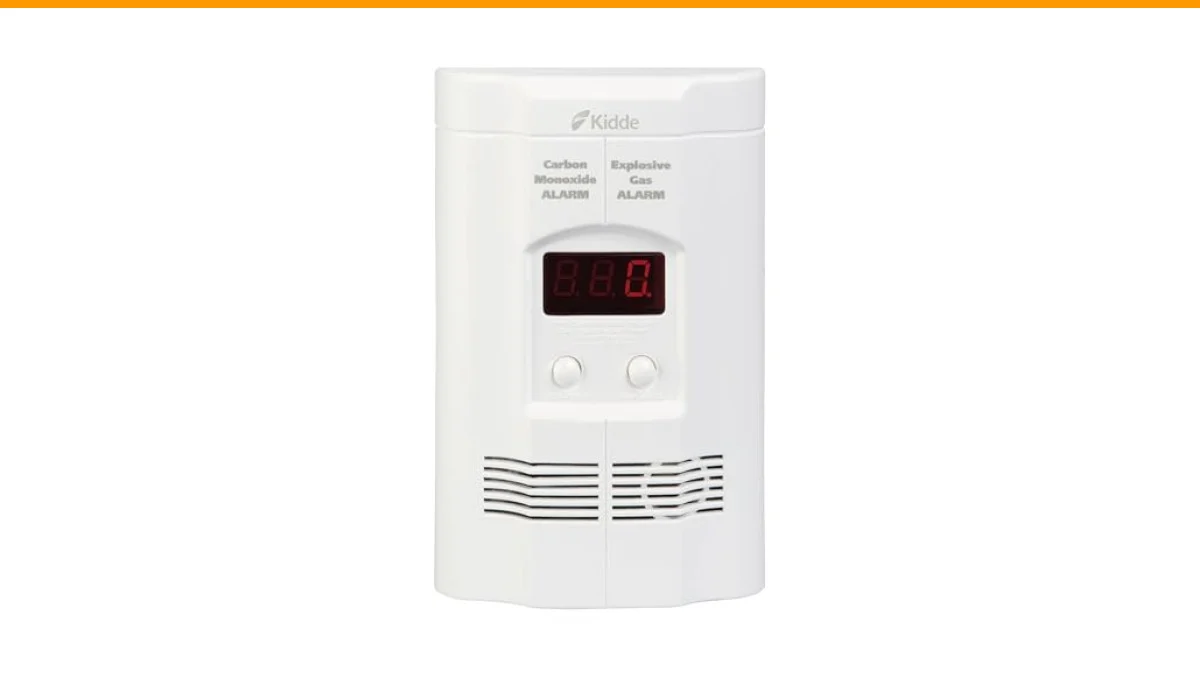
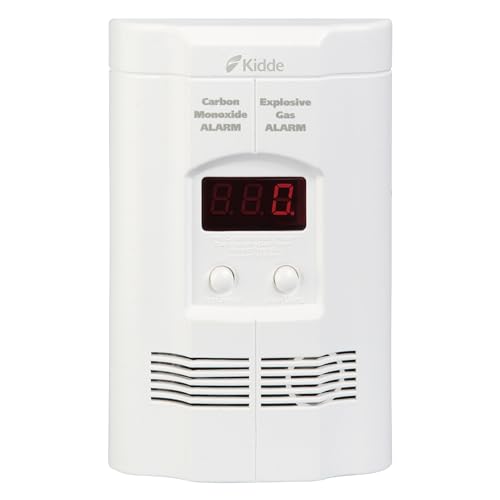
Kidde Carbon Monoxide + Explosive Gas, Natural Gas & Propane Alarm, Plug-in with 9V Battery Backup, Digital Display, 85 dB Alarm, LED Status Indicators, 3rd Edition
- Easy Installation - simply plug-in to a standard, 120V outlet in your home
- 9-volt battery backup provides protection during a power outage
- Digital LED display shows the level of carbon monoxide the CO alarm is sensing or states "GAS" when explosive gas is present
One product that stands out is the Kidde Carbon Monoxide + Explosive Gas Alarm. This device combines safety features with user-friendly installation, making it an excellent addition to any home with gas heating.
The Role of CO Alarms in Home Safety
Many people mistakenly believe that CO alarms are only necessary if they live in older homes or if they use gas appliances frequently. However, CO can be produced by any fuel-burning appliance, including modern gas heaters. The Centers for Disease Control and Prevention (CDC) reports that around 400 people in the U.S. die from unintentional CO poisoning each year. This statistic highlights the critical need for CO alarms in every home, regardless of age or appliance type.
CO alarms work by detecting the presence of carbon monoxide in the air. If levels exceed a certain threshold, the alarm activates, alerting residents to take action. This early warning system can save lives. Regular maintenance of gas heaters and the installation of CO alarms are both essential for keeping your home safe.
Choosing the Right CO Alarm for Gas Heaters
When selecting a CO alarm for your gas heater, consider several factors:
- Type of Alarm: Look for alarms that specifically mention compatibility with gas appliances.
- Power Source: Alarms can be battery-operated, plug-in, or hardwired. Battery-operated models ensure protection during power outages.
- Features: Digital displays, peak level memory, and audible alerts enhance usability.
- Ease of Installation: Choose models that are easy to install, preferably plug-in types.
The Kidde Carbon Monoxide + Explosive Gas Alarm is a great choice, featuring easy installation, a digital display, and a battery backup to ensure continuous protection.
Common Misconceptions About CO Alarms
1. CO Alarms Are Only for Older Homes
This is untrue. Newer homes can still have CO issues, especially if they contain gas heaters or other fuel-burning appliances. Every household should have at least one CO alarm.
2. One Alarm is Enough for the Whole House
Many believe that one CO alarm is sufficient. In reality, multiple alarms are recommended. Place them near sleeping areas and on each floor. This strategy ensures that all occupants can hear the alarm promptly.
Comparing CO Alarm Options
| Feature | Kidde Alarm | Typical Battery Alarm | Hardwired Alarm |
|---|---|---|---|
| Power Source | Plug-in with battery backup | Battery-operated | Hardwired |
| Digital Display | Yes | No | Yes |
| Peak Level Memory | Yes | No | May vary |
| Audible Alarm | 85 dB | 85 dB | 85 dB |
| Installation | Easy plug-in | Easy | Requires wiring |
Frequently Asked Questions
What is carbon monoxide?
Carbon monoxide is a colorless, odorless gas produced when burning fuels like gas, oil, or wood. High levels can be lethal.
How often should I test my CO alarm?
Test your CO alarm monthly to ensure it functions properly. Replace batteries at least once a year.
How long do CO alarms last?
CO alarms typically last 5 to 7 years. Check the manufacturer’s guidelines for specific replacement recommendations.
Can I install a CO alarm myself?
Yes, most CO alarms are designed for easy installation. Follow the manufacturer’s instructions for best results.
What should I do when the alarm goes off?
Evacuate the area immediately and call emergency services. Do not re-enter until it is safe.
Final Thoughts on CO Alarms for Gas Heaters
- Carbon monoxide can be deadly, making alarms essential.
- Choose a CO alarm compatible with gas appliances.
- Install multiple alarms for maximum safety coverage.
- Regularly test and maintain your alarms.
- Consider alarms with user-friendly features like digital displays.
- Stay informed about the signs of CO poisoning.
- Investing in a quality CO alarm can save lives.



