Joint Inflammation: Why You Need Contrast TherapyWatch on YouTube
Understanding Chronic Lower Back Stiffness
Many people experience chronic lower back stiffness at some point in their lives. It can stem from various causes, such as prolonged sitting, poor posture, or underlying health conditions. Imagine being unable to bend down to tie your shoes or lift a grocery bag without discomfort. This frustrating reality affects daily activities and overall quality of life.
Fortunately, treatments like contrast therapy can provide relief. This article will discuss a practical contrast therapy protocol specifically designed for chronic lower back stiffness. You’ll learn how to implement this protocol effectively, understand the science behind it, and discover the benefits of using products like the Therabody RecoveryTherm Cube for optimal results.

TheraGun
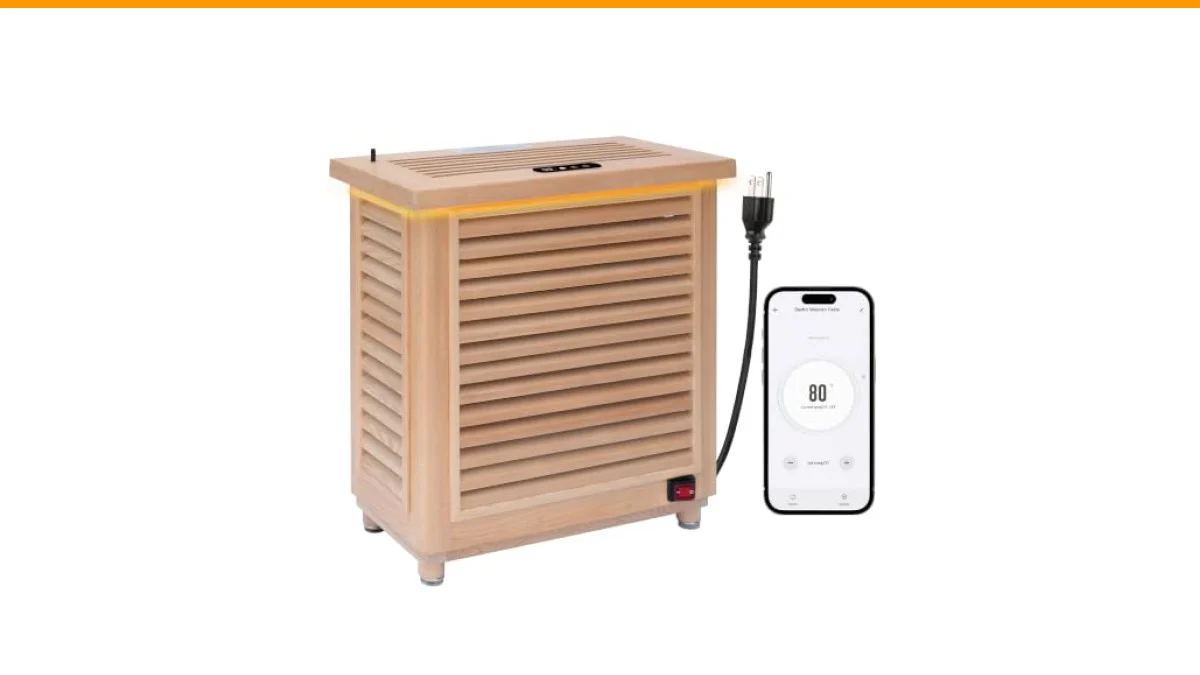
Therabody RecoveryTherm Cube - Instant Heat, Cold and Contrast Therapy for Pain Relief, Aches and Pains, and Muscle Recovery - Portable Hands Free Cryotherapy Machine with Cold Compress & Heating Pad
- Replace Messy Ice Packs and Inconsistent Heating Pads: Introducing RecoveryTherm Cube, our portable, compact device that seamlessl…
- Icy Cool Injury Relief: Cold therapy machine and inflammation reducer for acute injuries to areas like the ankle, knee, back or sh…
- Soothe Everyday Soreness: From everyday aches and stiffness in areas like the wrist or elbow, to chronic neck strains and arthriti…
The RecoveryTherm Cube is a versatile device that combines cold and heat therapy seamlessly. Its portable design allows for easy use at home or on the go, making it an ideal addition to your contrast therapy routine.
What is Contrast Therapy?
Contrast therapy involves alternating between hot and cold treatments to aid in recovery, reduce pain, and alleviate stiffness. The method leverages the body’s natural response to temperature changes. Heat dilates blood vessels, increasing blood flow to muscles and tissues. This process promotes healing by delivering oxygen and nutrients while removing waste products. Cold therapy, on the other hand, constricts blood vessels and reduces inflammation, effectively numbing pain.
Research suggests that alternating between these therapies can enhance recovery and provide significant relief from chronic conditions like lower back stiffness. A typical session may include periods of heat and cold, lasting from 20 to 30 minutes total. The precise durations can vary based on individual comfort and specific conditions.
Why Contrast Therapy Is Effective
Many people are unaware that contrast therapy can offer more than just temporary relief. The method is backed by various studies that highlight its effectiveness in treating muscle stiffness and pain. Here are some key reasons why contrast therapy works:
- Increased blood circulation: Alternating temperatures stimulate blood flow, which accelerates healing and reduces stiffness.
- Reduced muscle tension: Heat relaxes tight muscles, while cold therapy alleviates inflammation, creating a balanced approach to muscle care.
- Enhanced flexibility: This therapy encourages a wider range of motion by addressing both stiffness and pain.
- Psychological benefits: Patients often report an improved mood and sense of well-being after therapy sessions.
Implementing a Contrast Therapy Protocol
To create an effective contrast therapy protocol for chronic lower back stiffness, follow these steps:
- Gather your equipment: Use a heating pad or the RecoveryTherm Cube for heat therapy and ice packs or the cold setting of the Cube for cold therapy.
- Determine your treatment duration: A typical session should last between 20 to 30 minutes. Start with 10 minutes of heat, followed by 5 minutes of cold, and repeat the cycle.
- Prepare the area: Ensure you are in a comfortable position, either sitting or lying down, to maximize the effectiveness of the therapy.
- Monitor your body: Pay attention to how your lower back responds during the treatment. Adjust the time spent on heat or cold as needed, based on your comfort level.
- Frequency of treatment: Aim for 2-3 sessions per week. Adjust frequency based on your pain level and recovery progress.
Comparing Different Methods of Pain Relief
| Method | Benefits | Considerations |
|---|---|---|
| Contrast Therapy | Improves circulation, reduces inflammation, enhances flexibility | Requires access to both heat and cold sources |
| Heat Therapy | Relaxes muscles, increases blood flow | May aggravate inflammation in some cases |
| Cold Therapy | Reduces swelling, numbs sharp pain | Can lead to stiffness if used excessively |
| Physical Therapy | Personalized approaches, professional guidance | Time-consuming, requires appointments |
How Long Should Each Treatment Last?
Each treatment should last between 15 to 30 minutes. Start with longer durations for heat, as it is more tolerable, and gradually increase cold exposure. Adjust based on personal comfort.
Can Contrast Therapy Help With Other Conditions?
Yes, contrast therapy is beneficial for various conditions, including muscle strains, arthritis, and even post-surgical recovery. Its ability to improve circulation and reduce stiffness makes it versatile.
Is Contrast Therapy Safe for Everyone?
Most people can safely use contrast therapy. However, those with specific conditions like peripheral vascular disease or certain skin conditions should consult a healthcare provider first.
What Are the Signs I Should Stop Treatment?
If you experience increased pain, swelling, or numbness during treatment, discontinue immediately. It’s crucial to listen to your body and modify your approach accordingly.
How Does the RecoveryTherm Cube Fit Into This Protocol?
The RecoveryTherm Cube offers both heat and cold therapy in one device. Its portability and ease of use make it a practical choice for implementing contrast therapy. You can set it for precise durations and temperatures, ensuring effective treatment.
Final Thoughts on Contrast Therapy for Chronic Lower Back Stiffness
- Contrast therapy can significantly alleviate chronic lower back stiffness.
- The RecoveryTherm Cube provides a convenient way to implement this protocol.
- Start with short treatments and adjust based on comfort and results.
- Monitor your body’s response closely to avoid discomfort.
- Consult a healthcare provider if unsure about using contrast therapy.
- Consider combining this protocol with other treatments like physical therapy for enhanced results.
- Consistency is key; aim for regular sessions to maintain benefits.