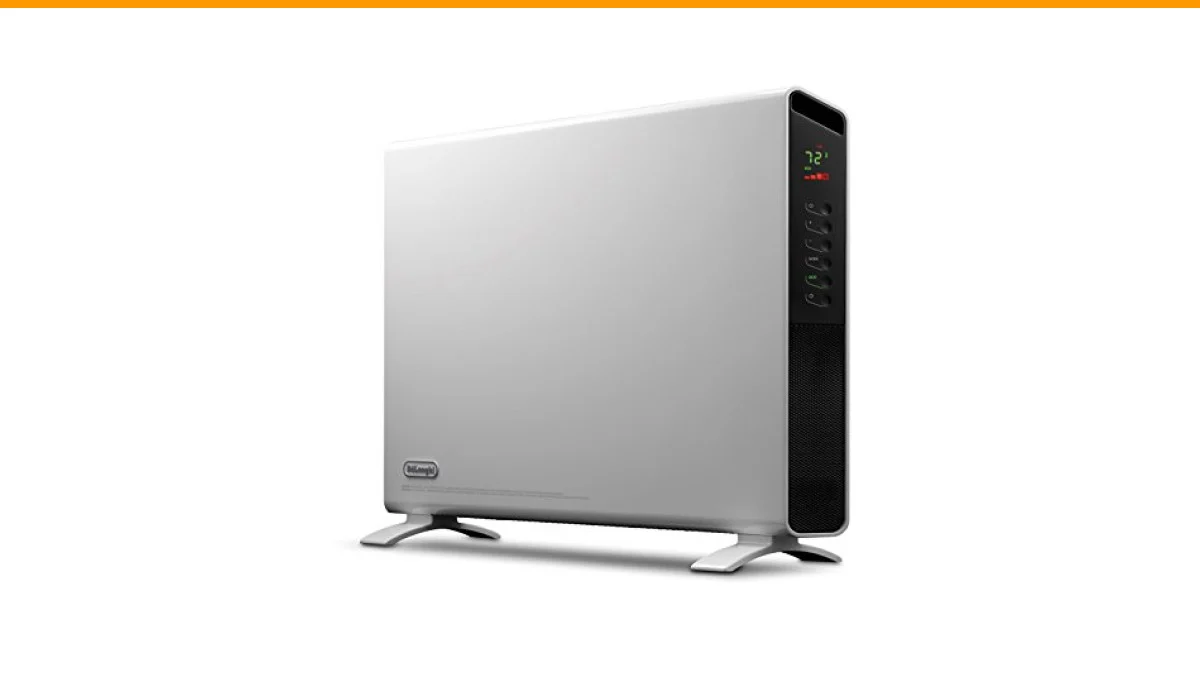
Understanding Convection Heaters
Imagine a chilly evening at home. You feel the cold creeping in, and you want a quick solution to warm up your living space. Enter the convection heater, a popular choice for those seeking efficient and consistent heating. But what exactly is a convection heater, and how does it work? This article will clarify these points, helping you make informed decisions about heating your space.
Convection heaters operate on a simple principle: they warm the air in a room through the natural circulation of air. When air is heated, it becomes lighter and rises, while cooler air descends to replace it. This process creates a circular airflow that effectively warms a room. By the end of this article, you’ll understand how convection heaters function, their benefits, and what to consider when selecting one.
De'Longhi
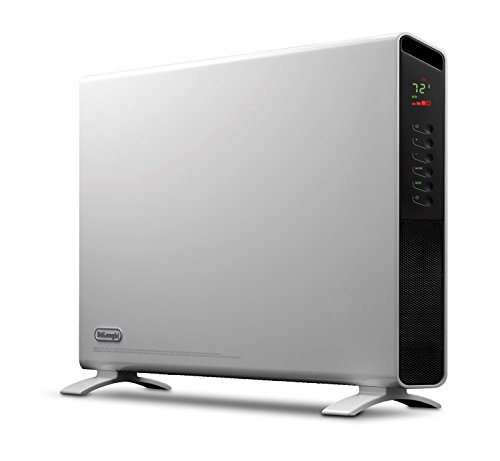
DeLonghi Convection Panel Heater, Full Room Quiet 1500W, portable electric heater is freestanding/easily wall mounted. Energy Saving, quick heat distribution, timer, white, HCX9115E
- Room Heater - Fast, Efficient heat packs 1500 watts of power best for medium to large rooms. Best space heater for bedroom or any…
- Versatile Style - Offers maximum performance, combining functionality and design and offers both floor and wall mount options with…
- This energy efficient space heater saves energy with the ECO PLUS function, automatically adjusting heat and power settings for th…
For an example of an effective convection heater, consider the DeLonghi Convection Panel Heater. This model offers 1500 watts of power, making it suitable for medium to large spaces, while also being energy-efficient and equipped with safety features.
How Convection Heaters Work
Convection heaters rely on natural convection to circulate warm air throughout a room. They contain heating elements that warm the air directly. As this air heats up, it expands, becoming less dense and rising. Cooler air then moves in to replace it, creating a continuous cycle. This process can effectively warm a room in a relatively short time.
A typical convection heater can reach temperatures between 70°F to 90°F, depending on the room size and insulation. For instance, a 1500-watt heater like the DeLonghi model can heat a space of up to 300 square feet efficiently. This makes it ideal for bedrooms, living rooms, or any other medium to large area.
Common Misconceptions About Convection Heaters
More Watts Equals Better Heating
Many assume that a higher wattage automatically means better heating capability. While wattage is a factor in determining how quickly a heater can warm a space, it doesn’t solely define efficiency or effectiveness. A well-insulated room can retain heat better, meaning a lower-wattage heater might perform just as well in certain situations.
Convection Heaters Are Inefficient
Another common myth is that convection heaters waste energy. In reality, when used correctly, these heaters can be quite energy-efficient. Many models, including the DeLonghi heater, come with features like ECO PLUS, which helps adjust heat output based on your room’s temperature, ensuring you use less power while keeping comfortable.
Choosing the Right Convection Heater
When selecting a convection heater, consider the following factors:
- Room Size: Ensure the heater’s wattage matches the area you intend to heat.
- Energy Efficiency: Look for models with energy-saving features.
- Safety Features: Check for thermal shutoff and tip-over protection.
- Mounting Options: Decide if you prefer a freestanding model or one that can be wall-mounted.
Comparative Overview of Convection Heaters
| Feature | DeLonghi Convection Heater | Generic Model A | Generic Model B |
|---|---|---|---|
| Wattage | 1500W | 1200W | 1500W |
| Room Size | Up to 300 sq ft | Up to 250 sq ft | Up to 300 sq ft |
| Energy Saving Mode | Yes | No | Yes |
| Safety Features | Thermal shutoff, tip-over switch | Basic | Thermal shutoff only |
| Mounting Options | Freestanding, wall-mounted | Freestanding only | Freestanding, wall-mounted |
Frequently Asked Questions
What is the main advantage of convection heaters?
The primary advantage of convection heaters is their ability to heat a room evenly and efficiently. They provide a steady warmth and can quickly raise the temperature of the air in a space.
Are convection heaters safe to use?
Yes, most convection heaters are designed with safety in mind. Look for features like thermal shutoff and tip-over protection to ensure safe operation.
How do I maintain a convection heater?
Regular maintenance includes dusting the unit and ensuring the vents are clear. If the heater has any filters, check and clean them as necessary.
Can convection heaters be used in bathrooms?
Some convection heaters are rated for bathroom use. Always check the manufacturer’s specifications to ensure they are safe for damp environments.
How energy-efficient are convection heaters?
Convection heaters can be quite energy-efficient, especially models with features that adjust heat output based on room temperature. This helps reduce energy consumption without sacrificing comfort.
Takeaways for Choosing a Convection Heater
- Understand how convection heating works for effective use.
- Identify the right wattage based on your room size.
- Look for energy-saving features to reduce costs.
- Prioritize safety features for peace of mind.
- Consider your mounting preferences before purchasing.
- Regular maintenance helps prolong the lifespan of your heater.
- Research different models to find one that suits your needs best.



