Imagine coming home on a chilly winter evening, only to find that the cold air has seeped through your windows, making your living space uncomfortable. This scenario is all too common in many households. However, the right curtains can significantly improve your home’s heat retention, keeping it warm and cozy while also reducing energy costs.
The article will delve into the relationship between curtains and heat retention, providing practical tips on selecting the best curtains for your needs. You’ll learn about insulation properties, fabric types, and how features like blackout capabilities can contribute to a warmer home. For instance, consider the ChrisDowa Blackout Curtains—available now—designed to block out sunlight and enhance energy efficiency, making them an excellent choice for maintaining indoor temperatures.
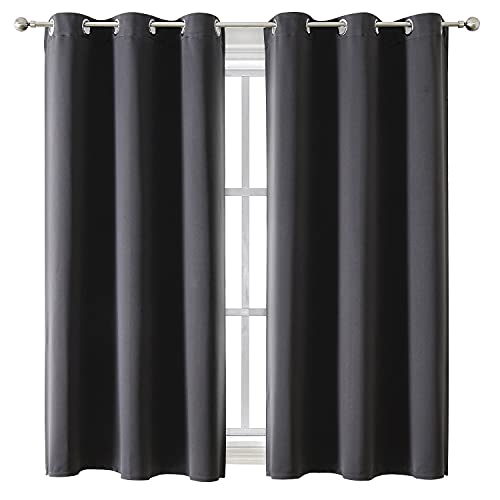
ChrisDowa
ChrisDowa Blackout Curtains for Bedroom and Living Room 63 Inches Long | 2 Panels Set, Thermal Insulated, Light Blocking, Room Darkening, Grommet, Window Drapes, Dark Grey, 42 x 63 Inch
- SET DETAILS: 2 charcoal gray curtains per package. Each panel measures 42 inch wide by 63 inch long with 6 silver metal grommets (…
- LIGHT BLOCKING: these bedroom curtains block out 98% sunlight and UV (darker color works better). Get you a good night sleep, afte…
- QUALITY FABRIC: These thick living room curtains work well in noise reducing and privacy protection. Same solid color on both side…
Understanding Heat Retention
Heat retention refers to a material’s ability to keep warmth inside a space, particularly during colder months. Windows are typically the weakest points in a home’s insulation. A significant percentage of heat can escape through them, leading to increased energy consumption for heating. According to studies, up to 30% of residential heating costs can be attributed to poorly insulated windows.
To combat this, curtains and drapes act as a thermal barrier, reducing heat loss significantly. The right choice can keep your home warmer in winter and cooler in summer, optimizing your energy usage and reducing bills.
Types of Curtains for Heat Retention
When selecting curtains to maximize heat retention, consider the following types:
- Blackout Curtains: These curtains block nearly all light, which also helps in insulating your windows. Fabrics like polyester and heavier materials trap air, keeping warmth inside. The ChrisDowa Blackout Curtains excel in this area, blocking out 98% of sunlight.
- Thermal Curtains: Specifically designed with insulating layers, thermal curtains have a special lining that improves energy efficiency. They are effective in both winter and summer, maintaining a stable indoor temperature.
- Heavy Drapes: Thick, heavy fabrics like velvet or wool can also provide excellent insulation. These materials create a solid barrier against drafts, reducing heat loss effectively.
- Layered Curtains: Using a combination of sheer and heavier curtains allows for flexibility. You can adjust the layers based on the season and time of day, optimizing light and heat retention.
Measuring the Impact of Curtains on Heat Retention
Measuring how effective curtains are at retaining heat can be done in several ways:
- Temperature Difference: Measure the temperature inside and outside before and after installing curtains. A noticeable difference indicates effective insulation.
- Energy Bills: Track your heating costs over a few months. A significant drop in energy bills may suggest that your curtains are doing their job.
- Comfort Level: Pay attention to how warm or cool your home feels throughout the day. If it remains comfortable without excessive heating, your curtains are likely effective.
Choosing the Right Curtain for Your Home
When shopping for curtains to enhance heat retention, consider the following factors:
- Material: Look for thick, insulated fabrics. Polyester blends, cotton, and velvet are excellent choices.
- Color: Darker colors tend to absorb heat better than lighter shades, which can help in retaining warmth.
- Length and Width: Ensure curtains are long and wide enough to cover the entire window, minimizing drafts.
- Installation: Check for features like grommets or tab tops that facilitate easy installation and movement.
| Type of Curtain | Insulation Effectiveness | Light Blocking | Best For |
|---|---|---|---|
| Blackout Curtains | High | 98% | Bedrooms, Media Rooms |
| Thermal Curtains | Very High | Medium | Living Rooms, Dining Rooms |
| Heavy Drapes | High | Low to Medium | Formal Spaces |
| Layered Curtains | Variable | Variable | Versatile Usage |
FAQs About Curtains and Heat Retention
1. Do blackout curtains really help with heat retention?
Yes, blackout curtains block out sunlight and insulate windows effectively, helping to keep heat in during colder months.
2. How much can curtains reduce heating costs?
Depending on the type and quality, curtains can reduce heating costs by 10-25% by minimizing heat loss through windows.
3. Are thermal curtains washable?
Most thermal curtains are machine washable, but always check the care instructions. The ChrisDowa curtains, for example, are machine washable and easy to care for.
4. Can curtains help during summer as well?
Absolutely! During summer, curtains can block out heat and reduce cooling costs, maintaining a comfortable indoor temperature.
5. What is the best color for heat retention?
Darker colors are generally better at absorbing and retaining heat compared to lighter shades, making them ideal for winter.
Final Thoughts on Curtains and Heat Retention
- Choose heavy or insulated curtains for maximum heat retention.
- Consider blackout options for added light blocking and insulation.
- Measure your windows accurately to ensure proper coverage.
- Dark colors can absorb more heat, aiding in warmth retention.
- Regularly wash and maintain your curtains for longevity and efficiency.
- Track changes in temperature and energy bills to gauge effectiveness.
- Experiment with different styles and layers for versatility throughout the year.



