As winter settles in, many people rely on space heaters to keep their homes warm and cozy. Among the various heating options available, ceramic heaters have gained popularity for their efficiency and safety features. However, a common concern arises: do ceramic heaters dry out the air? In this article, we will explore this question in depth, examining how these heaters work and their impact on indoor humidity levels.
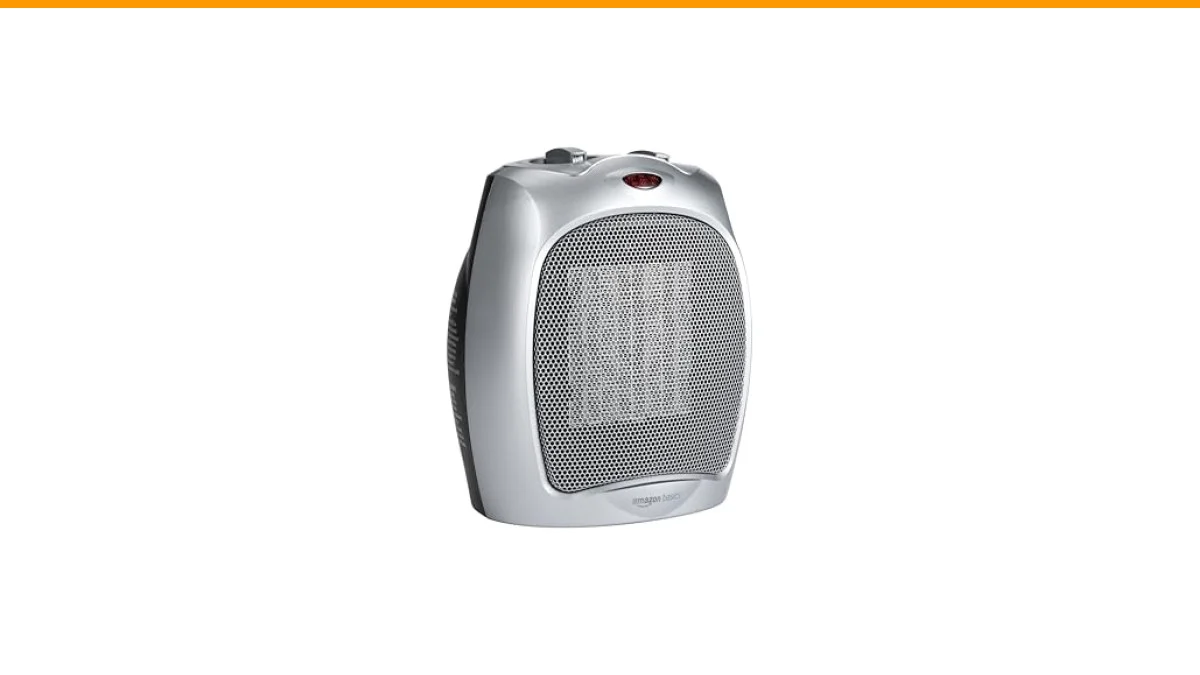
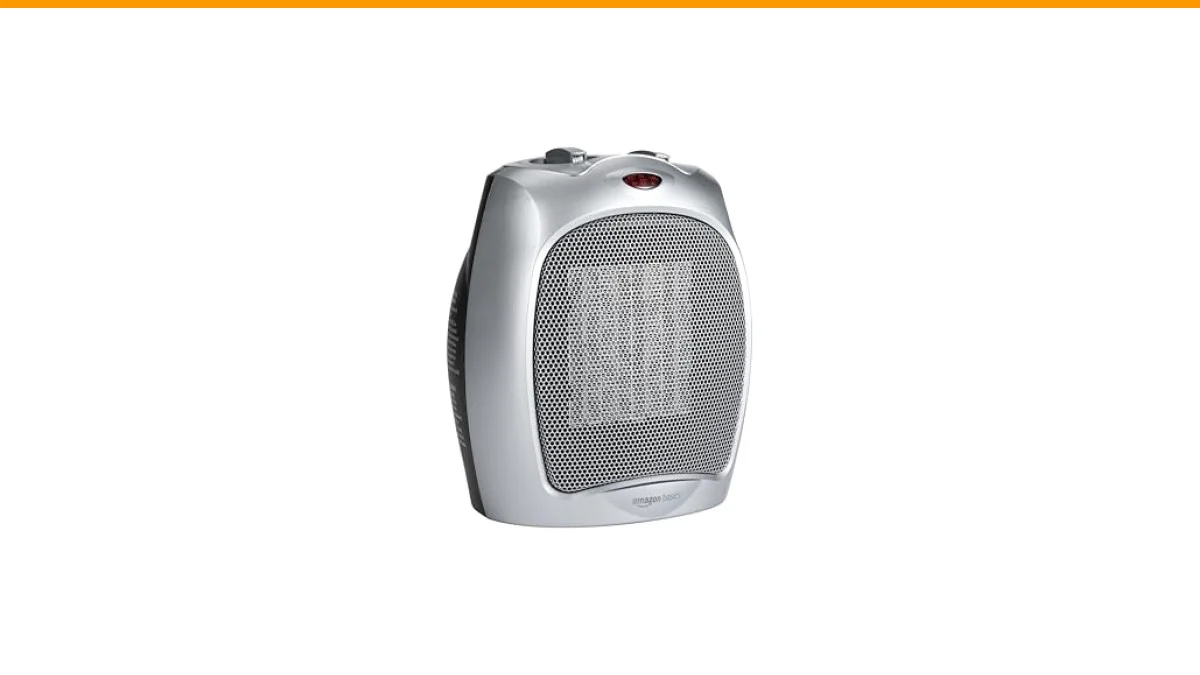
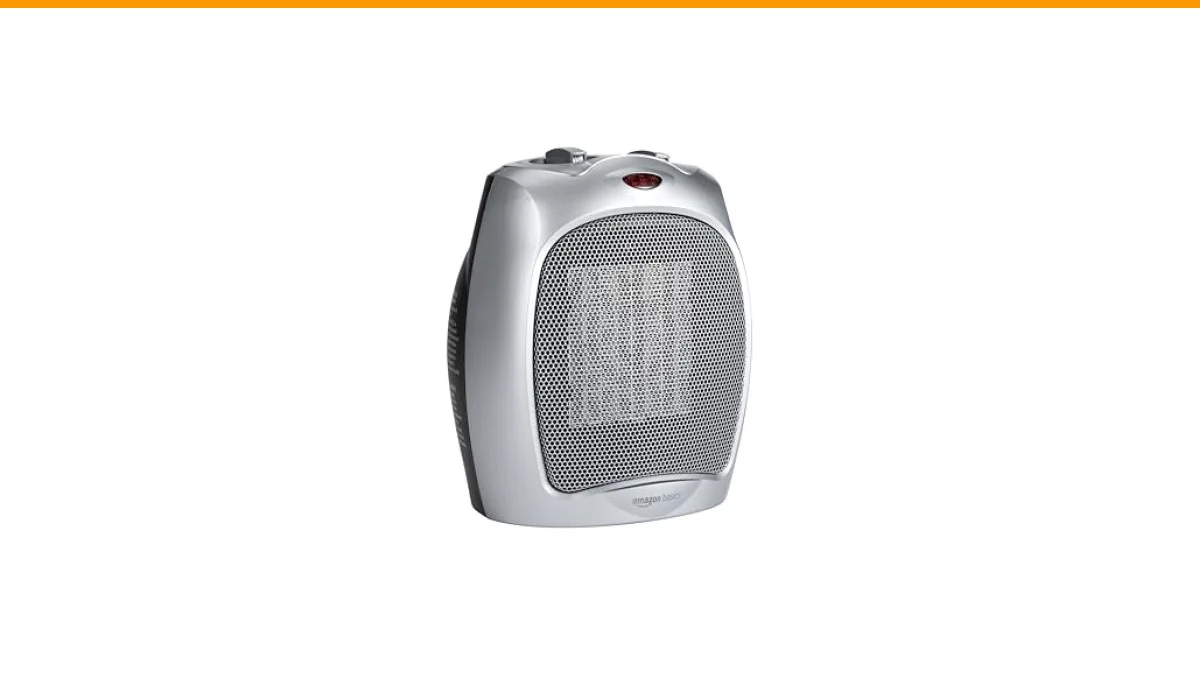
The Amazon Basics Ceramic Space Heater is a notable example of a ceramic heater that offers customizable heating options and safety features, making it a practical choice for indoor heating. With settings for high and low heat, as well as fan-only mode, it provides flexibility while ensuring comfort.

Amazon Basics
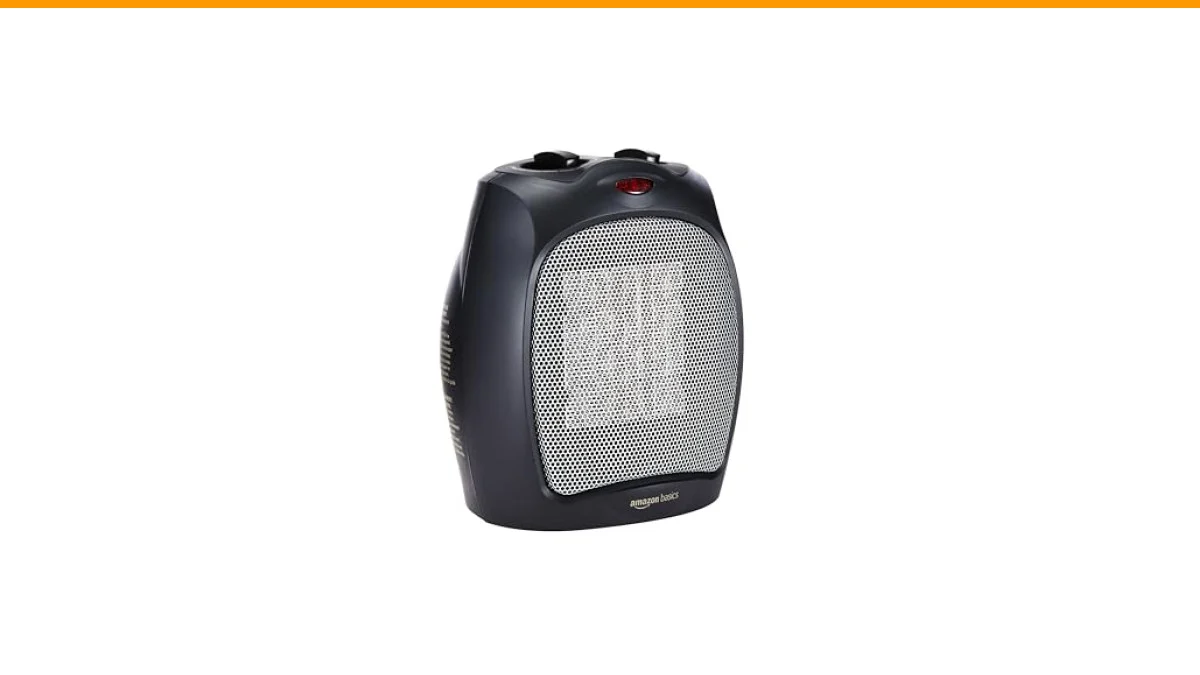
Amazon Basics Ceramic Space Heater, Portable Indoor Heating Solution, With Overheat and Tip-Over Protection, Thermostat, Non-Oscillating, 1500W, 7.52"D x 6.34"W x 9.45"H, Black
- CUSTOMIZABLE HEATING OPTIONS: Choose from three settings to suit your needs - High (1500W), Low (900W), or Fan Only for air circul…
- COMPACT & PORTABLE: Weighing just 3 lbs and sized at 7.5“L x 6.3”W x 9.5“H, this space heater is easy to move and perfect for your…
- Built-in Tip-Over Protection, Overheat Protection, and a Power Indicator Light for safe operation.
Short Answer:
Ceramic heaters do not inherently dry out the air, but they can lower humidity levels in enclosed spaces due to the heat they produce. To mitigate dryness, consider using a humidifier alongside your heater.
 Oil-Filled vs Ceramic Heaters, Which Is Safer and Cheaper to Run?Watch on YouTube
Understanding Ceramic Heaters
Ceramic heaters use a ceramic plate that heats up, allowing for efficient heat distribution. They operate by converting electrical energy into heat, which is then circulated through the room. This method is effective because ceramic materials retain heat well, providing warmth quickly and efficiently. The Amazon Basics Ceramic Space Heater exemplifies this technology, offering rapid heating while maintaining a noise level of only 43 dB.
Do Ceramic Heaters Dry Out the Air?
The primary function of ceramic heaters is to generate heat, not to manipulate humidity levels. However, heating the air can lower its relative humidity, especially in enclosed spaces. Warm air holds more moisture than cold air, so when you heat a room, the relative humidity may decrease, leading to a perception of dryness.
For example, if your living room is heated from 60°F to 70°F, the air can feel drier, especially if the initial humidity was low. Therefore, while ceramic heaters do not actively dry out the air, they can create conditions that lead to lower humidity.
Comparing Humidity Levels
To understand how ceramic heaters affect humidity, consider the following table comparing indoor humidity levels at different temperatures:
| Temperature (°F) | Relative Humidity (%) |
|---|---|
| 60 | 50 |
| 70 | 40 |
| 80 | 30 |
This table illustrates that as temperature increases, relative humidity tends to decrease if no additional moisture is added to the air. Thus, maintaining humidity while using a ceramic heater can be crucial for comfort.
Mitigating Dryness with Humidifiers
One effective method to counteract the drying effect of ceramic heaters is to use a humidifier. Humidifiers add moisture back into the air, helping maintain a comfortable humidity level. There are various types of humidifiers, including:
- Evaporative Humidifiers: Use a fan to blow air through a wet wick or filter.
- Steam Vaporizers: Boil water to produce steam, which cools before entering the room.
- Ultrasonic Humidifiers: Utilize ultrasonic vibrations to produce a fine mist.
Using a humidifier alongside a ceramic heater can create a balanced environment, preventing dryness and ensuring comfort.
Frequently Asked Questions
1. Can I use a ceramic heater in a humid environment?
Ceramic heaters are not designed for high-moisture areas like bathrooms or laundry rooms. Using them in these spaces can lead to safety risks and diminished performance.
2. How can I tell if my indoor air is dry?
Common signs of dry air include dry skin, chapped lips, and static electricity. A hygrometer can measure indoor humidity levels to provide a more accurate reading.
3. What humidity level is ideal for comfort?
The ideal indoor humidity level is generally between 30% and 50%. This range helps maintain comfort and prevents issues associated with both dry and overly humid air.
4. Do all space heaters dry out the air?
Not all space heaters have the same effect on humidity. Oil-filled heaters, for example, may retain moisture better than ceramic models since they operate differently.
5. How often should I use a humidifier with my heater?
It’s beneficial to use a humidifier whenever you run a heater during winter months. Regular monitoring of humidity levels can help you adjust usage as needed.
Final Thoughts
- Ceramic heaters do not directly dry out the air but can lower humidity levels.
- Relative humidity decreases as temperatures rise, especially in enclosed spaces.
- Using a humidifier can effectively counteract dryness created by heating.
- Ideal indoor humidity levels range from 30% to 50% for comfort.
- Monitor your indoor humidity regularly to maintain a comfortable environment.
- Consider safety features when selecting a ceramic heater, like those in the Amazon Basics model.
- Choose the right humidifier type based on your space and needs.
For more insights on indoor heating and maintaining comfort, check out articles on space heaters and dry air or why certain heaters stand out.