Imagine it’s a chilly winter evening, and you’re settling in for a cozy night at home. You turn on your electric heater to warm up the space, only to find that it trips the circuit breaker. This frustrating scenario is common, especially if your heater isn’t connected to a dedicated circuit. Understanding whether electric heaters need a dedicated circuit is crucial for safety and efficiency.
This article will clarify the requirements for electric heaters, including the necessity of dedicated circuits, the implications for safety, and practical advice for installation. You’ll leave with a clear understanding of how to set up your space for optimal heating performance.
Goodman
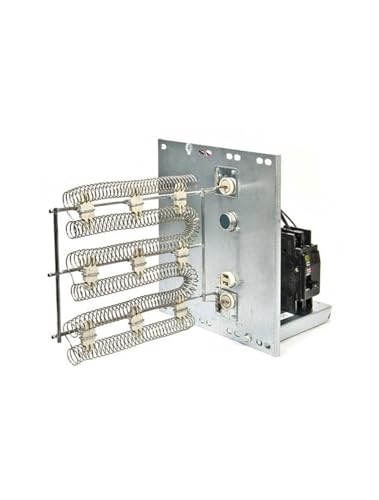
Goodman 10 kW 208/240V Electric Heat Kit with Circuit Breaker - HKTSD10X1
- Fully electric; no gas line needed: Goodman HKTS heat kits utilize electricity directly from your air handler unit, bypassing the…
- Rated voltage of 208/240V, single phase with 60 Hertz frequency. Average electricity consumption of 10 kW to provide approximately…
- Compatible with the following Goodman brand products: AHVE Air Handlers, AMVE Air Handlers, AMVT Air Handlers, AMST Air Handlers,…
For those considering a reliable solution, the Goodman 10 kW 208/240V Electric Heat Kit with Circuit Breaker is an excellent option. This fully electric heat kit connects directly to your air handler, eliminating the need for extra wiring or gas lines.
Short Answer
Yes, electric heaters typically require a dedicated circuit. This is essential to prevent circuit overloads, ensuring safe operation and reducing the risk of tripped breakers or electrical fires. A dedicated circuit allows the heater to draw the necessary power without interference from other appliances.

 Adding dedicated receptacle/circuit for space heater, 12/2- 20amp breaker 😁 #winter #diy #electricWatch on YouTube
Understanding Dedicated Circuits
A dedicated circuit is designed to serve a single appliance or device. This means the circuit is not shared with other electrical devices, allowing it to provide consistent power without risk of overload. For electric heaters, which can draw significant wattage, having a dedicated circuit is often necessary.
Most residential electric heaters operate on 120V or 240V systems. Standard 120V circuits can handle 15 to 20 amps, while 240V circuits can typically support higher loads. For example, a 10 kW heater requires around 41.67 amps at 240V. This load exceeds the capacity of a standard circuit, making a dedicated circuit essential.
Why Dedicated Circuits Matter
Using a dedicated circuit for electric heaters is crucial for several reasons:
- Safety: Dedicated circuits help prevent overheating and potential fires caused by overloaded wiring.
- Performance: Heaters connected to dedicated circuits operate more efficiently, providing consistent heat output.
- Compliance: Local electrical codes often require dedicated circuits for larger appliances, including electric heaters.
Not all electric heaters require a dedicated circuit, but it’s common for those with higher wattage ratings. Always check the manufacturer’s specifications for your specific model.
Installation Considerations
When installing an electric heater, consider the following steps:
- Consult the Manufacturer’s Guidelines: Review the installation manual for specific electrical requirements.
- Assess Your Circuit Needs: Determine if your existing circuits can handle the heater’s load or if a new dedicated circuit is needed.
- Hire a Professional Electrician: For safety and compliance, consider employing a licensed electrician for installation. They can assess your home’s electrical system and ensure proper setup.
Pro tip: Before installation, check local building codes regarding electric heater installations to ensure compliance.
Comparison of Electric Heater Types and Circuit Needs
| Heater Type | Typical Voltage | Amperage | Requires Dedicated Circuit |
|---|---|---|---|
| Standard Electric Heater | 120V | 15-20A | Yes, for larger models |
| High-Wattage Electric Heater | 240V | 30-50A | Yes |
| Wall-Mounted Electric Heater | 120V/240V | 15-30A | Depends on wattage |
| Portable Electric Heater | 120V | 10-15A | May not need |
Frequently Asked Questions
1. Do all electric heaters need a dedicated circuit?
Not all electric heaters need a dedicated circuit. Smaller, portable models may not require one, but larger, high-wattage heaters generally do.
2. How can I tell if my heater requires a dedicated circuit?
Check the manufacturer’s specifications for your heater. Look for the voltage and amperage requirements. If the load exceeds the standard circuit capacity, a dedicated circuit is necessary.
3. What happens if I don’t use a dedicated circuit?
Running an electric heater on a non-dedicated circuit can lead to tripped breakers, overheating, and potential fire hazards due to overloaded wiring.
4. Can I install a dedicated circuit myself?
While it’s possible, it’s highly recommended to hire a licensed electrician. They can ensure compliance with local codes and safe installation practices.
5. What are the signs my electric heater is overloading the circuit?
Common signs include frequent tripping of circuit breakers, flickering lights, or unusual smells from the electrical outlet. If you notice these, discontinue use and consult an electrician.
Final Thoughts
- Electric heaters often require dedicated circuits for safety and efficiency.
- Consult your heater’s specifications to determine circuit needs.
- Local codes may dictate installation requirements; always check.
- Consider hiring a licensed electrician for installation.
- Monitor your electrical system for signs of overload.
- For larger heaters, dedicated circuits are almost always necessary.
- Stay informed to ensure safe and effective heating solutions.


