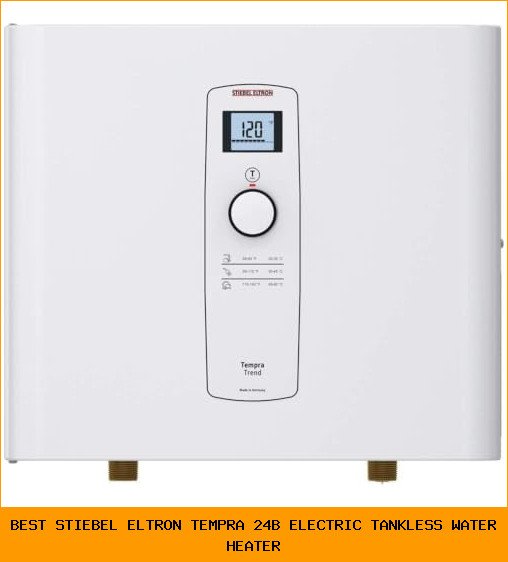
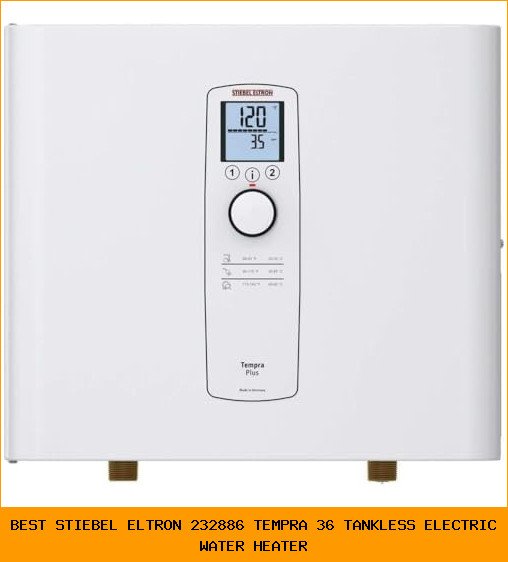
You bought a new water heater for your business. Maybe it’s for a car wash, a rental property, or a construction trailer. The question hits your desk as you’re filing taxes: does a water heater qualify for bonus depreciation? The answer isn’t a simple yes or no. It depends on how you use the water heater, where it’s installed, and whether the IRS classifies it as tangible personal property or a structural component of a building.
This article walks you through the IRS rules that determine eligibility. You’ll learn the difference between 5-year property and building components, how the bonus depreciation phase-down affects your timing, and where the Section 179 expensing option might be a better fit. By the end, you’ll know exactly what to tell your tax preparer.

Supellerous
2000W Immersion Water Heater,Submersible Water Heater with 304 Stainless Steel Guard & Digital LCD Thermometer,Fast Heating for 5 Gallons of Water in Minutes for Bucket,Bathtub,Basin,Camping,Home
- 【Fast to Heat, Quick to Use】This immersion water heater features a powerful 2000W design, heating 5 gallons of water to a comforta…
- 【Stainless Steel, Safe Protection】This submersible water heater is made of high-quality 304 stainless steel, durable and rust-proo…
- 【Lightweight Design, Wide Application】This immersion water heater is lightweight and portable, and can be safely used with various…
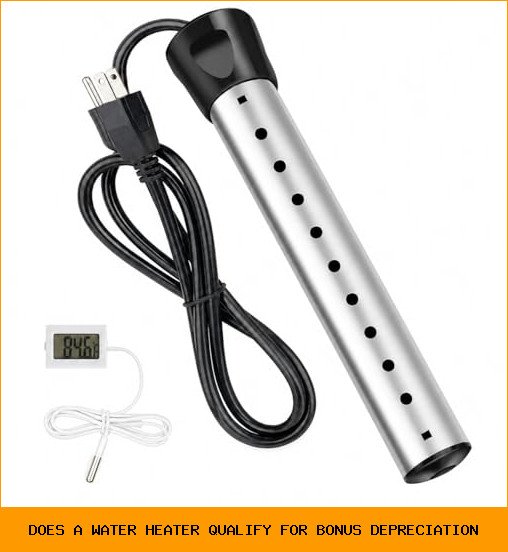
If you’re dealing with a temporary hot water need—say your permanent unit failed and you need a quick fix on a job site—a portable immersion heater can bridge the gap. The Supellerous 2000W Immersion Water Heater heats 5 gallons of water in minutes, uses a 304 stainless steel guard, and works with plastic buckets, bathtubs, or inflatable pools. It’s not a permanent installation, so it won’t affect your building depreciation. But it’s a practical tool to keep in your truck while you sort out the big tax question.
What Is Bonus Depreciation, and Why Does It Matter for Water Heaters?
Bonus depreciation lets you write off a large chunk of the cost of qualifying business property in the first year you place it in service. Under current law (the Tax Cuts and Jobs Act), you can deduct 60% of the adjusted basis for property placed in service in 2026. That percentage drops to 40% in 2026, 20% in 2026, and then to 0% after 2026 unless Congress renews it.
But not every water heater qualifies. The IRS splits property into two buckets: tangible personal property (eligible for bonus) and structural components of a building (not eligible). A water heater that is part of a building’s plumbing system—like the one in a rental apartment or office building—is generally a structural component. You depreciate that over 27.5 years (residential rental) or 39 years (commercial). No bonus depreciation there.
On the other hand, a water heater that serves a specific business activity—and is not integral to the building itself—can be classified as 5-year property under MACRS. For example, a water heater used in a commercial car wash that supplies hot water for the wash process is often treated as tangible personal property. Same for a water heater in a farm building that provides hot water for cleaning equipment, or a portable water heater used on a construction site.
The key test: is the water heater primarily used for a business function, not just for general building comfort (like heating water for sinks and showers for employees)? The IRS looks at the function and whether removing it would require significant building modification.
Specific Conditions That Make a Water Heater Eligible
Let’s get into the weeds. The IRS uses Asset Class 57.0 for water heaters used in manufacturing, and Asset Class 48.0 for certain industrial processes. But most small business owners fall under the general 5-year property category for equipment with a useful life of less than 10 years. The IRS Revenue Procedure 87-56 provides asset classes. Water heaters used in a trade or business that are not structural components can fall into Asset Class 57.0 (if used in a specific industry) or into the catch-all 5-year class for personal property with a recovery period of 5 years.
Here are three scenarios where a water heater is likely to qualify for bonus depreciation:
- Portable or temporary use. If you buy a water heater for a construction trailer, a temporary job site, or a farm outbuilding that doesn’t have permanent plumbing, the IRS is more likely to treat it as equipment rather than a building component. The Supellerous immersion heater is a good example of a non-permanent solution, though you’d generally need a larger tank-type unit for sustained use.
- Dedicated business process. A restaurant using a commercial water heater for dishwashing (not general hand-washing) may classify it as 5-year property. The same goes for a veterinary clinic that needs hot water for washing animals—if the heater is separate from the building’s general hot water system.
- Used water heaters (first use by taxpayer). Bonus depreciation only applies to property whose original use begins with you. If you buy a used water heater, it still qualifies for bonus depreciation as long as you’re the first person to put it into service. But if it was previously used by someone else (even the seller), it qualifies only for Section 179 expensing, not bonus depreciation. So if you’re buying a used tank from a supply house, check whether it was ever installed before.
One important caveat: bonus depreciation for water heaters placed in service in 2026 is 60%. That means you deduct 60% of the cost in year one, plus the regular MACRS depreciation on the remaining 40%. For a $10,000 water heater, you’d get a $6,000 bonus deduction and then about $800 in regular MACRS (assuming 5-year, half-year convention). That’s a big first-year write-off.
When You Should Use Section 179 Instead (or Alongside)
Section 179 expensing is another first-year deduction option, with a 2026 cap of $1,220,000 (phasing out over $3,050,000 of equipment purchases). Unlike bonus depreciation, Section 179 allows you to deduct the full cost (up to the cap) in one year, and you can take it on used property. Also, Section 179 doesn’t phase down—it stays at the same level (adjusted for inflation).
So why not just use Section 179 for every water heater? Two reasons. First, Section 179 is limited to taxable income from your business—you can’t create a loss with it. Bonus depreciation can create or increase a net operating loss. Second, you may have already used up your Section 179 cap on other equipment. In that case, bonus depreciation picks up the slack.
For most small businesses buying a single water heater (say $800 to $5,000), Section 179 is simpler. But if you’re a large operation buying multiple units, bonus depreciation might be more flexible. Talk to your accountant about which strategy fits your tax situation.
| Depreciation Method | Qualified Property Types | First-Year Deduction (2026) | Used Property Allowed? | Creates NOL? |
|---|---|---|---|---|
| Bonus Depreciation (60%) | New & first-use tangible personal property (5-year MACRS), including qualified water heaters | 60% of adjusted basis | Only if original use begins with taxpayer | Yes |
| Section 179 Expensing | New & used tangible personal property, off-the-shelf software, certain improvements | Up to $1,220,000 (subject to phase-out) | Yes | No (limited to taxable income) |
| Regular MACRS (5-year) | Any 5-year property not expensed or bonused | 20% (half-year convention) or 10% (mid-quarter) | Yes | Yes |
| Regular MACRS (27.5 or 39-year) | Structural components of residential rental or commercial buildings | ~3.636% or ~2.564% | Yes | Yes |
Note: The percentages above assume placed-in-service date in the fourth quarter? No, they use half-year convention. If you place a water heater in service in the last quarter, the mid-quarter convention may apply and reduce the deduction. Always check with your tax advisor on conventions.
Four Real-World Examples (So You Can See How It Works)
Example 1: Rental property landlord. You install a $1,500 water heater in a duplex. The water heater is a permanent part of the building’s plumbing. It’s a structural component. No bonus depreciation. You depreciate it over 27.5 years with the rest of the building. If you replace it every 10 years, you still write it off over the longer period.
Example 2: Mobile car wash business. You buy a $4,000 propane-powered water heater mounted on a trailer. It’s not attached to any building. You use it to wash customer vehicles. This is 5-year property. You can take 60% bonus depreciation ($2,400) and regular MACRS on the remaining $1,600, for a total first-year deduction around $2,720. On a $4,000 asset, that’s a solid 68% write-off in year one.
Example 3: Farmer with a pressure washer. You buy a water heater to supply hot water for cleaning livestock pens. The water heater sits in a shed but is not permanently attached to the building’s plumbing—it has a dedicated line to the pressure washer. The IRS may treat this as equipment used in farming, eligible for 5-year MACRS and bonus depreciation. Bonus depreciation is 60% for 2026.
Example 4: Contractor using a portable immersion heater. You buy the Supellerous immersion heater for thawing frozen pipes and providing hot water on construction sites. It’s a small asset (under $2,500). You can either expense it under Section 179 or treat it as a de minimis asset (if you have a written capitalization policy). Both approaches give you 100% deduction in year one without needing bonus depreciation.
Frequently Asked Questions
Can I claim bonus depreciation on a water heater in my rental property?
Generally, no. A water heater that is permanently installed and serves the building’s general plumbing system is a structural component. The IRS treats it as part of the building’s MACRS property class (27.5 years for residential rental, 39 years for commercial). Bonus depreciation is not available for structural components. However, if the water heater is used exclusively for a separate business activity within the rental (like a laundromat in the basement), it might qualify as 5-year property—but that’s rare and requires careful documentation.
Does a used water heater qualify for bonus depreciation?
Only if the original use of the water heater begins with you. If you buy a brand-new water heater that has never been installed or used, you are the first user, and it qualifies for bonus depreciation (assuming it’s not a structural component). If you buy a used water heater that was previously installed in another building, you can’t claim bonus depreciation on it. You can, however, use Section 179 expensing for that used water heater, as long as it’s used more than 50% for business.
What documentation do I need to prove bonus depreciation eligibility?
You need to show that the water heater is not a structural component. That means keeping records that describe its use (e.g., a written business use log, photos showing it’s not permanently attached, or a note from a contractor explaining its function). Also, retain the purchase invoice showing the date placed in service and cost. If the IRS ever audits, you’ll want to show why the water heater belongs in a 5-year property class. A contemporaneous memo describing the business purpose helps.
How does the bonus depreciation phase-out affect my planning for 2026-2026?
If you’re considering a water heater purchase for your business, the current year (2026) offers 60% bonus. In 2026 it drops to 40%, and in 2026 to 20%. After 2026, unless Congress acts, it goes to 0%. So if you have a large water heater purchase coming up, there is a real tax advantage to buying and placing it in service before the end of 2026. That said, don’t let the tax tail wag the dog—buy the right equipment for your business. But if you’re on the fence, the 2026 deduction is the most generous it will be for the foreseeable future.
Can I claim bonus depreciation on an immersion water heater like the Supellerous model?
Yes, if you use it in your trade or business. Immersion water heaters are clearly tangible personal property—they are portable, not permanently installed, and not part of a building. The Supellerous heater costs well under $2,500, so you might also be able to deduct it under the de minimis safe harbor election (if your business has a written policy). That allows you to expense assets under $2,500 per item without depreciation. Either way, you can get a full first-year deduction. Just make sure you use it over 50% for business. If you use it partly for personal camping trips, you need to allocate the deduction.
What to Do Next – Practical Tips for Your Situation
- Determine whether your water heater is a structural component or a piece of business equipment. If it’s permanently plumbed into a building’s system, assume it’s part of the building. If it’s portable, dedicated to a specific process, or inside a mobile unit, it’s likely 5-year property.
- Check the placed-in-service date. For 2026 purchases, 60% bonus depreciation is available. For 2026, it’s 40%. If you need a new water heater and have the budget, buying before year-end could save you real money.
- If you buy a used water heater, skip bonus depreciation and use Section 179 expensing instead—you still get a first-year deduction, and used property is allowed.
- Keep good records. A simple folder with the invoice, a photo of the installation, and a one-paragraph business-purpose memo is enough.
- For small purchases (under $2,500 each), consider the de minimis safe harbor. It’s often simpler than calculating bonus depreciation and regular MACRS. Your accountant can help you set up a capitalization policy.
- If you’re a farmer or contractor, portable water heaters like the Supellerous immersion model are easy to classify as equipment. You can expense them fully or use bonus depreciation.
- Talk to a CPA or enrolled agent before filing. This article covers general rules, but your specific facts and tax situation matter. One wrong classification can trigger a costly audit or missed deduction.