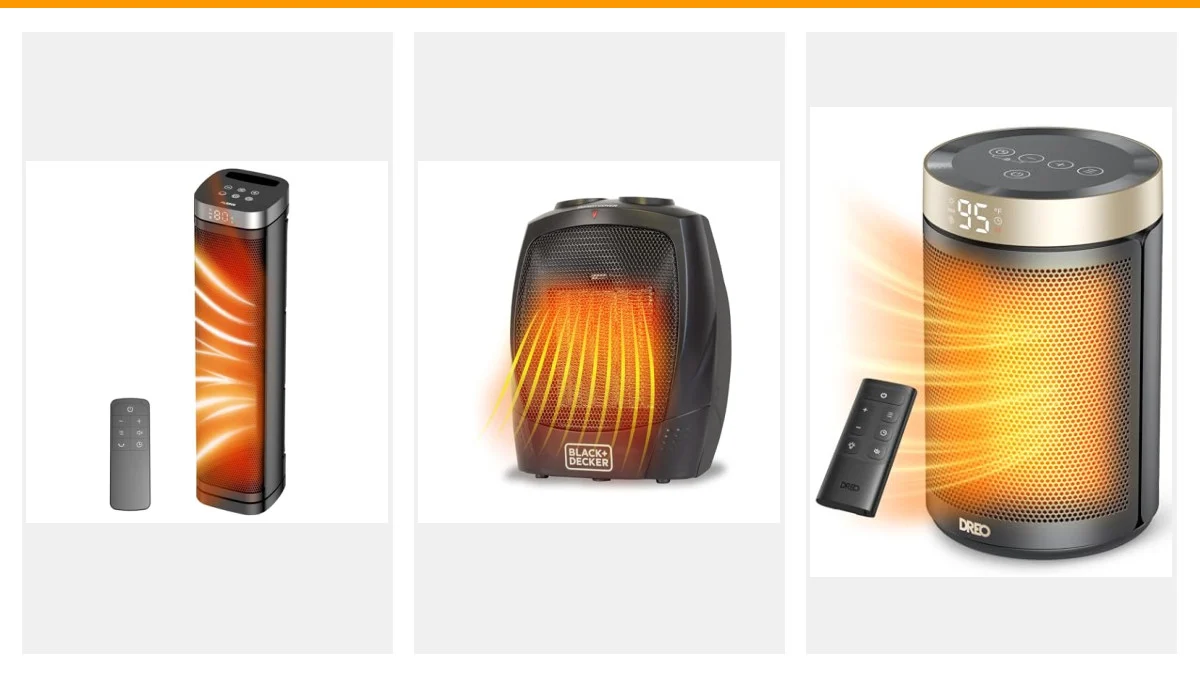
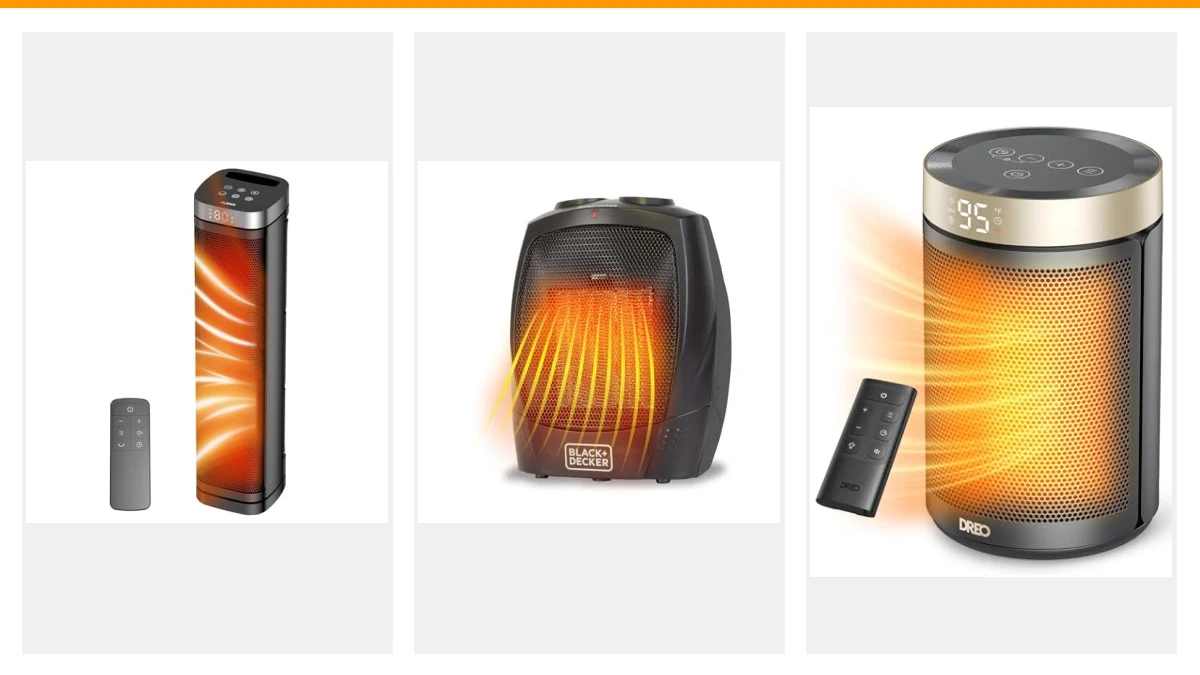
As winter approaches, many people begin to rely on electric heaters for warmth. Setting up these devices safely is crucial to avoid potential hazards. One common oversight is not adhering to electric heater clearance requirements. Understanding these guidelines can prevent fire risks and ensure efficient heating. This article will clarify the necessary distances and conditions for safe electric heater placement in your home.
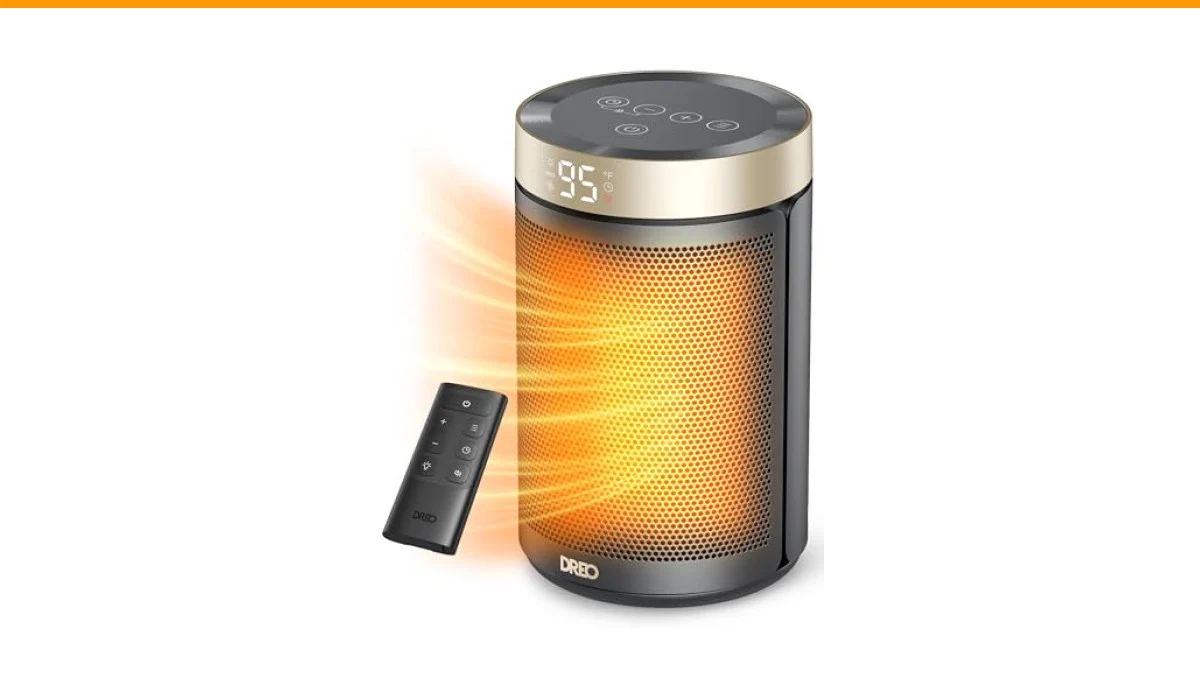
For instance, the DREO Space Heater offers excellent features for indoor use, including a powerful 1500W PTC heating system and multiple safety features. But even the best heaters require proper clearance to operate safely.

DREO
DREO Space Heater, Portable Electric Heaters for Indoor Use with Thermostat | 2026 Upgraded, 34dB Quiet, 12H Timer, 5 Mode, Remote, 1500W PTC Ceramic Fast Safety Heat for Office Bedroom Home, Gold
- Powerful heat that fits everywhere: DREO space heaters for indoor combines Hyperamics 1500W advanced PTC system with a new heat fu…
- Unbreakable safety:DREO goes beyond the unexpected to deliver peace of mind with every room heater. The innovative tilt-detection…
- Ultimate temperature control: The enhanced NTC chipset brings more precision to turn your space heater with thermostat into a smar…
Electric heater clearance requirements dictate the safe distances between the heater and surrounding objects. These guidelines help prevent overheating and potential fire hazards. Generally, you should maintain a minimum of 3 feet (36 inches) of clearance around the heater. This space is crucial for proper air circulation and ensures that objects do not accidentally catch fire.
 portable electric heater safety keep 3 feet clearanceWatch on YouTube
Common Misconceptions About Electric Heater Clearance
Many people think that as long as a heater is not directly touching anything, it is safe. However, this is a misunderstanding. Here are two common myths:
Myth 1: More Space Is Always Better
While it’s true that you need at least 3 feet of clearance, placing a heater too far from the area you want to heat can reduce its effectiveness. You need to find a balance that allows for both safety and efficiency.
Myth 2: Only Flammable Materials Matter
It’s not just flammable materials that pose a risk. Even non-flammable objects can absorb heat and eventually cause issues. Electronics, furniture, and even walls can be negatively impacted by excessive heat if placed too close to a heater.
Specific Clearance Requirements Based on Heater Types
Different types of electric heaters may have varying clearance requirements. Here’s a breakdown:
| Heater Type | Minimum Clearance | Notes |
|---|---|---|
| Portable Heaters | 3 feet | Keep away from flammable objects and fabrics. |
| Wall-Mounted Heaters | 12 inches from walls | Check manufacturer instructions for specifics. |
| Baseboard Heaters | 6 inches | Do not block airflow with furniture. |
Factors Influencing Clearance Requirements
Several factors can affect how much clearance you need around your electric heater:
- Type of Heater: Different heaters have various designs that influence their heat distribution.
- Room Size: In smaller rooms, maintaining proper distances might be more challenging.
- Material of Surrounding Objects: Flammable materials require more distance.
FAQs About Electric Heater Clearance Requirements
1. Why is clearance important for electric heaters?
Clearance is crucial to prevent overheating and reduce the risk of fires. It ensures proper airflow around the heater, enhancing its efficiency.
2. Can I place an electric heater in a corner?
Placing a heater in a corner may restrict airflow. Ensure it still has the recommended clearance in all directions.
3. Are there specific regulations for electric heater installation?
Yes, local building codes may have specific requirements for heater installation. Always check local regulations.
4. What happens if I ignore clearance requirements?
Ignoring clearance requirements can lead to overheating, potential fires, and damage to surrounding materials. Always prioritize safety.
5. How can I monitor the temperature around my heater?
Use a thermometer to check the temperature of nearby objects. If they’re becoming too hot, adjust the heater’s position.
Final Thoughts on Electric Heater Safety
- Maintain at least 3 feet of clearance around portable heaters.
- Consider the type of heater and its specific requirements.
- Regularly check the heater and surrounding area for flammable materials.
- Monitor the temperature of nearby objects to prevent overheating.
- Consult local building codes for additional guidelines.
- For efficient heating, keep the heater away from corners.
- Always prioritize safety when using electric heaters.