 Gas vs Electric Water Heater — Which One ACTUALLY Costs Less to Run?Watch on YouTube
Understanding Electric Heater Costs
Winter can be uncomfortably cold, prompting many to rely on electric heaters for warmth. However, the question of how much it will cost to run these appliances each month often looms large in the back of users’ minds. Understanding the monthly electric heater cost involves several factors, including the heater type, energy consumption, and local electricity rates. By taking a closer look at these elements, you can make informed decisions that keep you warm without breaking the bank.
This guide will provide you with a detailed breakdown of electric heater costs, helping you understand how to calculate your monthly expenses, compare different types of heaters, and optimize their usage for efficiency and safety.
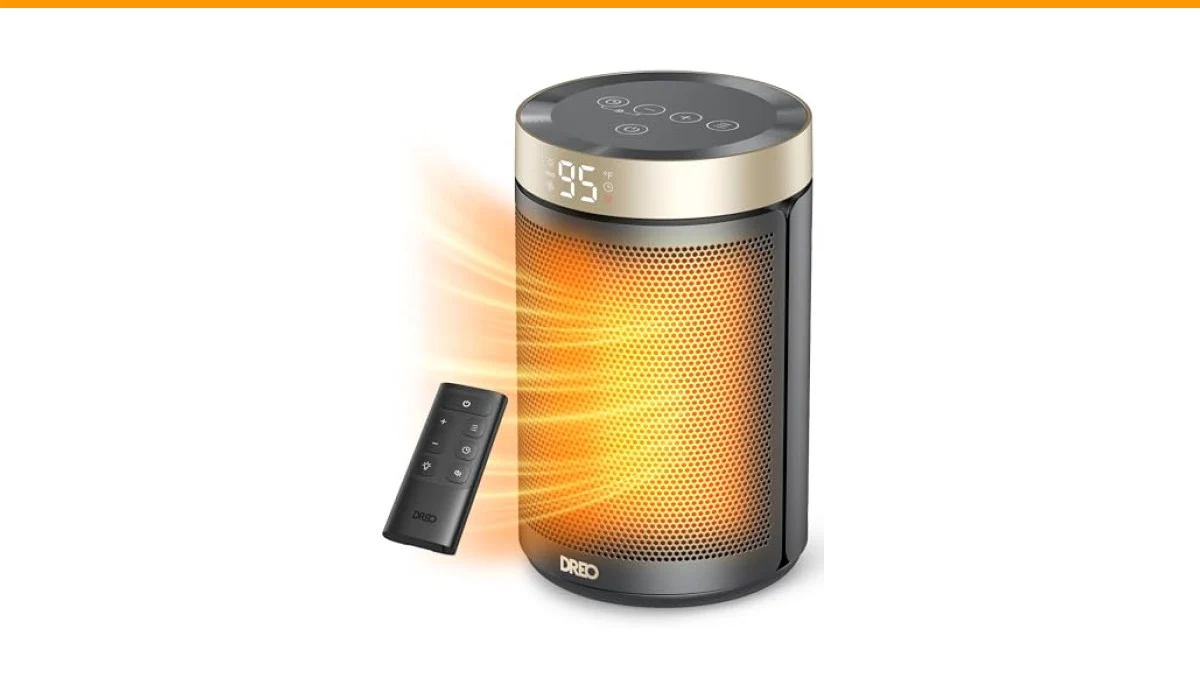
For example, consider the DREO Space Heater, which offers a blend of portability and efficiency, making it a popular choice for indoor use. It combines advanced heating technology with safety features, making it suitable for various settings.
How to Calculate Monthly Costs Effectively
Calculating the monthly cost of running an electric heater requires understanding several key components:
- Wattage: Most space heaters consume between 750 to 1500 watts. The higher the wattage, the more electricity it will use.
- Usage Hours: Consider how many hours per day you plan to use your heater. For instance, using a heater for 8 hours daily will significantly increase your monthly cost.
- Electricity Rate: Your local utility company sets the charge per kilowatt-hour (kWh). Rates can vary widely, typically ranging from $0.10 to $0.30 per kWh.
Here’s a simple formula to estimate your monthly cost:
Monthly Cost = (Wattage / 1000) * Usage Hours per Day * 30 Days * kWh Rate
Comparison of Different Electric Heater Types
Different types of electric heaters have distinct energy consumption levels and costs associated with their operation. Here’s a brief overview of common types:
| Heater Type | Wattage | Cost per Hour | Additional Features |
|---|---|---|---|
| Space Heater | 750-1500W | $0.08 – $0.24 | Portable, easy to use |
| Oil-Filled Radiator | 700-1500W | $0.07 – $0.22 | Retains heat, silent operation |
| Infrared Heater | 500-1500W | $0.05 – $0.20 | Quick heating, energy-efficient |
Comparing these costs can illustrate that while infrared heaters may have a lower operating cost, the initial purchase price might be higher than traditional space heaters. Consider your heating needs and budget before making a decision.
Regional Variations in Electric Heating Costs
Your geographic location significantly influences electric heater costs. Regions with colder climates often see higher usage of heating devices, leading to elevated electric bills. Additionally, local electricity rates can vary drastically:
- In the Northeast, average rates can exceed $0.20 per kWh, increasing overall costs.
- The Midwest often has lower costs, averaging around $0.13 per kWh.
- Southern states may enjoy even lower rates, sometimes dipping below $0.10 per kWh.
Understanding these regional variations can help you forecast monthly costs more accurately and adjust your usage accordingly.
Optimizing Heater Usage for Cost Efficiency
There are several strategies to optimize your electric heater usage and reduce costs:
- Zone Heating: Only heat the rooms you use most often.
- Use Timers: Set timers to turn off the heater when you leave a room.
- Maintain Proper Insulation: Ensure windows and doors are sealed to retain heat.
- Adjust Thermostat Settings: Lower settings to reduce energy consumption when comfortable.
Implementing these strategies can significantly lower your electric heater cost per month.
Safety Considerations When Using Electric Heaters
Safety should always be a priority when using electric heaters. Here are some essential tips:
- Keep flammable materials away from heaters.
- Never leave heaters unattended.
- Use heaters with automatic shut-off features.
- Ensure the heater has proper certification for safety standards.
Taking these precautions can prevent accidents and ensure a safe heating experience.
Long-Term Savings and Environmental Impact
While electric heaters are efficient for immediate warmth, they can lead to higher long-term costs and environmental impacts if not used wisely. Considerations include:
- Electric heaters can lead to increased carbon emissions, especially if your electricity comes from fossil fuels.
- Investing in energy-efficient models can save money over time.
- Explore renewable energy sources for your electricity needs to reduce environmental impact.
FAQs About Electric Heater Costs
How much does it cost to run an electric heater for a month?
The average cost varies based on wattage, usage, and local electricity rates. For a 1500W heater running 8 hours daily in a region with a $0.12/kWh rate, expect about $43/month.
Are electric heaters expensive to run compared to gas heating?
Electric heaters can be more expensive to run than gas heating, especially in areas with high electricity rates. However, they often provide more straightforward installation and maintenance.
How can I reduce my electric heater costs?
Reducing costs involves optimizing usage through zone heating, proper insulation, and using programmable timers.
Do electric heaters consume a lot of electricity?
Electric heaters can consume a significant amount of electricity, depending on their wattage and usage frequency. Monitoring and managing usage is key to controlling costs.
What’s the best type of electric heater for cost efficiency?
Infrared heaters tend to be more energy-efficient for quick heating, while oil-filled radiators provide longer-lasting warmth with lower operational costs.
Actionable Insights for Electric Heater Users
- Calculate your heater’s monthly costs using the provided formula.
- Consider different heater types based on your heating needs.
- Factor in regional electricity rates for accurate budgeting.
- Implement strategies for optimizing heater usage.
- Prioritize safety with your heating devices.
- Explore long-term savings through energy-efficient options.
- Stay informed about environmental impacts related to electricity usage.

