 Room Heater Buying Guide 🔥 Best Type, Size, Safety Tips in IndiaWatch on YouTube
Introduction to Electric Heater Safety
As the cold months roll in, many of us rely on electric heaters to keep our homes warm and cozy. However, with the comfort of warmth comes the responsibility of ensuring that these devices are used safely. Electric heaters can pose fire hazards and other risks if not handled properly. Understanding how to use them safely is crucial for protecting your home and loved ones.
This article will provide you with practical electric heater safety tips, explain the different types of heaters, and address common misconceptions that often lead to unsafe practices. By the end of this guide, you’ll be well-equipped to make informed decisions about electric heating solutions.

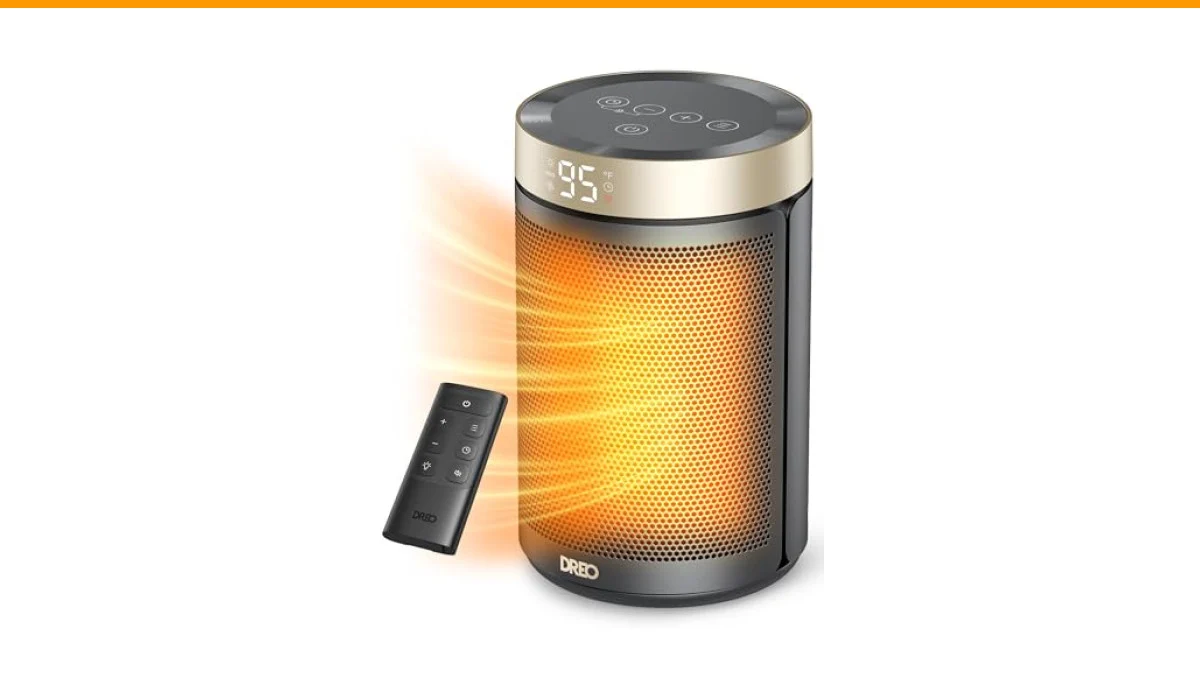
DREO
DREO Space Heater, Portable Electric Heaters for Indoor Use with Thermostat | 2026 Upgraded, 34dB Quiet, 12H Timer, 5 Mode, Remote, 1500W PTC Ceramic Fast Safety Heat for Office Bedroom Home, Gold
- Powerful heat that fits everywhere: DREO space heaters for indoor combines Hyperamics 1500W advanced PTC system with a new heat fu…
- Unbreakable safety:DREO goes beyond the unexpected to deliver peace of mind with every room heater. The innovative tilt-detection…
- Ultimate temperature control: The enhanced NTC chipset brings more precision to turn your space heater with thermostat into a smar…
The DREO Space Heater is a great example of a modern electric heater designed with safety in mind. It features advanced safety technology, including tilt-detection sensors and flame-retardant materials, ensuring reliable operation and peace of mind while heating.
Understanding Different Types of Heaters
Electric heaters come in various forms, each with distinct safety features and operational methods. Here are the most common types:
- Convection Heaters: These heaters warm the air around them, which then circulates throughout the room. They are typically safe to use but require proper placement to avoid obstruction.
- Radiant Heaters: Radiant heaters provide direct warmth to objects and people in their line of sight. They can be efficient but must be kept away from flammable materials.
- Fan Heaters: These heaters use a fan to distribute heat quickly throughout a space. While they work well for immediate warmth, they can overheat if left unattended.
- Oil-Filled Heaters: These heaters use heated oil to radiate warmth. They are generally safe and can maintain warmth longer than other types but can take time to heat up.
Each type has its safety features, such as automatic shut-off mechanisms and temperature controls, making it essential to choose one that fits your needs and safety requirements.
Essential Safety Tips for Electric Heaters
To ensure safe operation of electric heaters, follow these essential tips:
Choosing the Right Heater for Your Space
Select a heater that fits the size of your room. A heater that’s too powerful for a small room can lead to overheating, while one that’s too weak won’t provide adequate warmth. Always check the heater’s specifications and match them to your room size.
The Importance of Proper Placement
Position your heater on a flat, stable surface, away from flammable materials such as curtains, furniture, and papers. Maintain a safe distance of at least three feet from any objects. Never place a heater on carpets or near water sources.
Maintenance and Inspection Guidelines
Regular maintenance is crucial for safe operation. Check your heater frequently for any signs of wear, such as frayed cords or damaged plugs. Clean dust and debris from the heater to prevent overheating. If a heater shows signs of malfunction, such as strange noises or overheating, discontinue use immediately and consult a professional.
Common Misconceptions About Heater Safety
Many people have misconceptions about electric heater safety that can lead to dangerous situations.
No, More Watts Doesn’t Mean Better
Some believe that higher wattage guarantees better heating. While wattage affects heating speed, it doesn’t determine safety. Always prioritize safety features over wattage when selecting a heater.
Not All Heaters Are Safe for Unattended Use
Many assume that if a heater has safety features, it can be left unattended. This is a risky practice. Even the safest heaters should never be left running unattended for long periods. Always turn off heaters when leaving the room or going to sleep.
Environmental Considerations in Heating
Electric heaters impact the environment differently, depending on how electricity is generated. Using renewable energy sources reduces the carbon footprint of electric heating. Consider energy-efficient models that consume less power and produce less waste heat. Additionally, programmable thermostats can help optimize energy use, ensuring you only heat spaces when needed.
Emergency Preparedness and Response
Despite taking all precautions, accidents can happen. Being prepared can make a significant difference.
- Install Smoke Alarms: Ensure smoke alarms are installed in every room and check them monthly. Replace batteries at least once a year.
- Know Emergency Numbers: Keep a list of emergency contacts, including your local fire department, easily accessible.
- Have an Evacuation Plan: Create and practice an evacuation plan with your family. Ensure everyone knows how to exit the home safely and where to meet outside.
In case of a heater-related incident, do not attempt to extinguish a fire yourself unless you are trained. Evacuate the area immediately and call emergency services.
Staying Warm and Safe
When it comes to electric heater safety, it’s essential to prioritize both comfort and security. Here are a few final tips to keep in mind:
- Always choose heaters with safety certifications, such as ETL or UL.
- Keep heaters away from high-traffic areas to prevent accidental tip-overs.
- Use extension cords only if they are rated for the heater’s wattage and ensure they are in good condition.
- Never use fuel-burning heaters indoors to avoid carbon monoxide risks.
- Educate family members, especially children, about heater safety and the importance of keeping a safe distance.
Electric heaters can be a safe and effective way to keep your home warm when used correctly. Following these safety tips and being aware of common misconceptions can help ensure a cozy environment without compromising safety.
For more information on safe electric space heaters, check out this space heater guide.
Stay informed and ready to respond to any heating challenges that arise, and you can enjoy a safe, warm winter season.


