 What's the most efficient type of electric heater?Watch on YouTube
Understanding Electric Heater Efficiency
As winter approaches, many people turn to electric heaters to maintain warmth in their homes. The convenience and portability of these heaters make them a popular choice for supplemental heating. However, a common question arises: Are electric heaters truly 100 percent efficient? This article aims to clarify that question and provide a comprehensive understanding of electric heater efficiency, the different types available, and factors that influence their performance.
By the end of this discussion, you’ll have a clearer perspective on how electric heaters function, their efficiency ratings, and how to optimize their use in your home. This knowledge can lead to better heating choices and potentially lower energy costs.

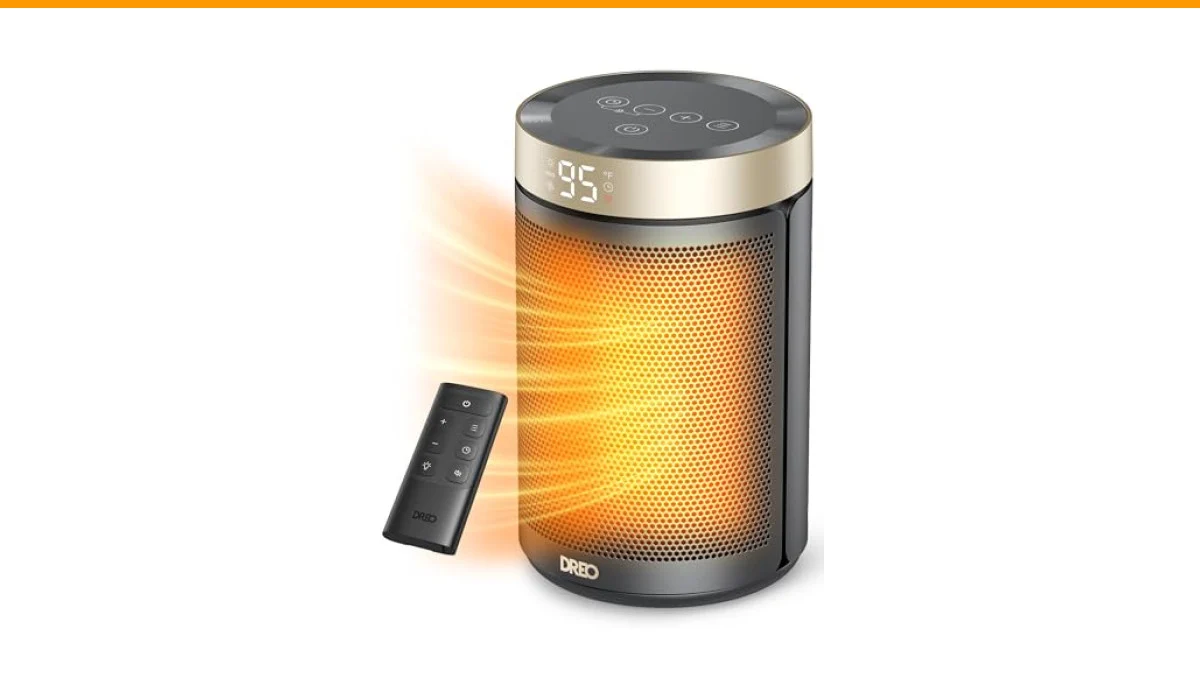
DREO
DREO Space Heater, Portable Electric Heaters for Indoor Use with Thermostat | 2026 Upgraded, 34dB Quiet, 12H Timer, 5 Mode, Remote, 1500W PTC Ceramic Fast Safety Heat for Office Bedroom Home, Gold
- Powerful heat that fits everywhere: DREO space heaters for indoor combines Hyperamics 1500W advanced PTC system with a new heat fu…
- Unbreakable safety:DREO goes beyond the unexpected to deliver peace of mind with every room heater. The innovative tilt-detection…
- Ultimate temperature control: The enhanced NTC chipset brings more precision to turn your space heater with thermostat into a smar…
One product to consider for efficient heating is the DREO Space Heater. This portable electric heater features a thermostat, a quiet operation, and multiple heating modes, making it suitable for various indoor environments.
Are Electric Heaters Truly 100% Efficient?
Electric heaters are often touted for their efficiency, but what does that actually mean? The term “100 percent efficiency” in the context of electric heaters refers to their ability to convert electrical energy into heat energy. When an electric heater operates, virtually all the electrical energy it consumes is converted into heat, making them effectively 100 percent efficient in this regard.
This efficiency does not account for other factors, such as how well the heat is distributed in a space or the cost-effectiveness of the electricity being used. For example, in a well-insulated room, an electric heater’s output can fully warm the space efficiently. However, its overall effectiveness can be diminished in poorly insulated areas where heat easily escapes. Thus, while electric heaters can be efficient in energy conversion, their practical efficiency can vary based on usage conditions.
Types of Electric Heaters and Their Efficiency Ratings
Various types of electric heaters are available, each with unique characteristics and efficiencies. Here’s a brief overview of the most common types:
- Convection Heaters: These heaters warm the air in a room by circulating it. They are effective for heating entire spaces but may take longer to reach the desired temperature.
- Radiant Heaters: Radiant heaters emit infrared radiation, warming objects directly rather than the air. They provide immediate warmth and are ideal for spot heating.
- Fan Heaters: These use a fan to distribute warm air quickly throughout a room. They can be efficient for small spaces but may use more electricity due to the fan’s operation.
- Oil-Filled Heaters: These are convection heaters filled with oil that retains heat well. They take longer to heat up but provide consistent warmth for extended periods.
It’s crucial to consider each type’s efficiency rating, usually expressed in watts (W) or British Thermal Units (BTUs). For example, an electric heater rated at 1,500 watts can produce approximately 5,100 BTUs of heat. The higher the wattage, the more effective the heater is at generating heat, but this also means higher energy consumption.
Factors Affecting Electric Heater Performance
Several factors influence the performance and efficiency of electric heaters:
- Insulation: Well-insulated homes retain heat better, allowing electric heaters to operate more efficiently. Poor insulation can lead to significant heat loss, requiring the heater to work harder.
- Room Size: The size of the room impacts heating efficiency. A heater may struggle to effectively warm a large space, leading to wasted energy.
- Temperature Settings: Setting the thermostat to a comfortable but not overly high temperature can help save energy. Each degree increase can significantly impact energy consumption.
- Placement: Positioning the heater correctly can maximize its effectiveness. Avoid placing heaters near drafty windows or doors to reduce heat loss.
Additionally, using a programmable thermostat can improve efficiency by allowing you to set specific heating schedules.
Cost Analysis: Electric vs. Gas Heating
When considering heating options, electric heaters often stand in contrast to gas heating systems. While electric heaters are 100 percent efficient in converting energy to heat, gas systems may have lower efficiency ratings, depending on the model and installation.
The cost-effectiveness of electric heating compared to gas depends on local energy prices. For instance, in areas where electricity is cheaper than natural gas, electric heaters may be more economical. Conversely, in regions with high electricity rates, gas heating could be less expensive overall.
Here’s a simplified breakdown of costs:
| Heating Method | Efficiency | Average Cost Per Unit | Notes |
|---|---|---|---|
| Electric Heaters | 100% | Varies (often higher) | Ideal for small spaces or supplemental heating |
| Gas Heaters | 80-95% | Lower (generally cheaper) | Better for larger areas or whole-house heating |
Maximizing Efficiency: Tips and Best Practices
To get the most out of electric heaters, consider these best practices:
- Insulate your home effectively to minimize heat loss.
- Use a programmable thermostat to control heating times.
- Keep doors and windows closed while the heater is in use.
- Consider zone heating, where you only heat occupied rooms.
- Regularly maintain your heater to ensure optimal performance.
These tips can help you maximize energy efficiency and comfort while minimizing heating costs.
Common Misconceptions About Electric Heaters
Several misconceptions surround electric heaters. Here are some clarifications:
- Misconception 1: All electric heaters are the same.
Reality: Different types of heaters have unique efficiencies and applications. - Misconception 2: Electric heating is always more expensive.
Reality: Costs depend on local electricity rates and usage patterns. - Misconception 3: Electric heaters are unsafe.
Reality: When used correctly, electric heaters are safe, especially models with safety features like tip-over protection.
FAQs About Electric Heater Efficiency
1. What is the most efficient type of electric heater?
Radiant heaters are often considered the most efficient for spot heating because they provide immediate warmth without needing to heat the surrounding air.
2. Do electric heaters use a lot of electricity?
Electric heaters can consume significant electricity, particularly if used continuously or in poorly insulated spaces. Monitoring usage can help manage costs.
3. Can I leave my electric heater on overnight?
While many heaters are designed for safe overnight use, it’s best to choose models with safety features and to monitor them periodically.
4. How do I calculate the cost of running an electric heater?
To calculate costs, multiply the power rating (in kilowatts) by the number of hours used and the cost of electricity per kilowatt-hour.
5. Are electric heaters environmentally friendly?
Electric heaters can be environmentally friendly if powered by renewable energy sources. However, their overall impact depends on the energy mix of the electricity grid.
Final Thoughts on Electric Heater Efficiency
- Electric heaters convert energy to heat at nearly 100 percent efficiency.
- Different heater types serve various needs; choose based on space and usage.
- Insulation and proper placement significantly affect performance.
- Cost comparisons between electric and gas heating vary by region.
- Maximize efficiency with smart usage and maintenance practices.
- Understand common misconceptions to make informed choices.
- Consider energy costs and heater features before purchasing.

