The Importance of Electrical Codes for Space Heaters
As winter sets in, many people turn to space heaters for comfort. These devices can quickly warm up a room, but they also pose risks if not used properly. Understanding the electrical code for space heaters is crucial for ensuring safety and compliance with local regulations.
The electrical code governs how space heaters should be installed and used, focusing on preventing electrical fires and ensuring efficient operation. This article aims to clarify key aspects of the electrical code relevant to space heaters, including installation requirements, safety guidelines, and common misconceptions.

Generic
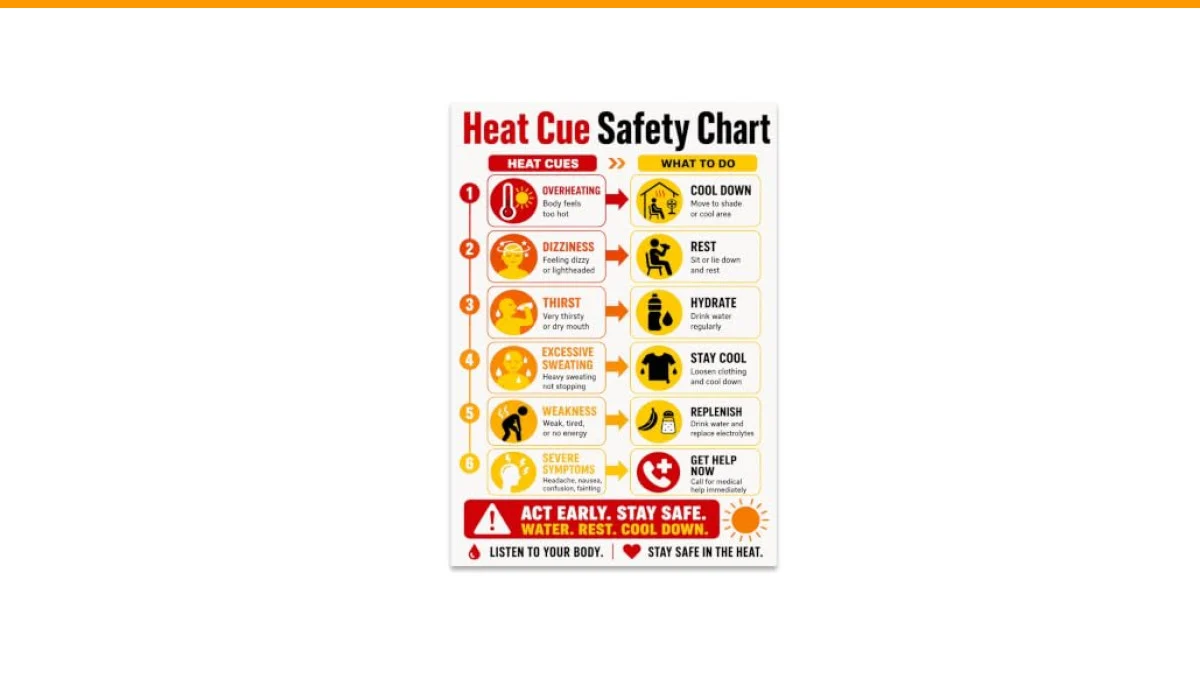
Heat Illness Guide Poster - Clear Safety Chart for Quick Reference - 13x19 | Heat illness safety chart with warning signs and response reminders for classrooms, offices, gyms, and training spaces.
- HEAT-ILLNESS WARNING SIGNS: Highlights key cues such as overheating, dizziness, thirst, excessive sweating, weakness, and severe s…
- GENERAL RESPONSE REMINDERS: Supports heat-safety awareness with visual action cues for cooling down, resting, hydrating, and seeki…
- WORKPLACE & CLASSROOM SAFETY TOOL: Useful for offices, schools, gyms, studios, hallways, training areas, and other shared environm…
Alongside these guidelines, it’s also vital to be aware of heat-related illnesses that can occur in extreme temperatures. The Heat Illness Guide Poster serves as a quick reference for recognizing symptoms and responses, ensuring a safe environment while using heating devices.
Understanding the Electrical Code
The National Electrical Code (NEC) provides a set of standards for safe electrical installations in the United States. Local jurisdictions often adopt these codes, sometimes with modifications. Compliance with the electrical code for space heaters typically includes:
- Proper Wiring: Space heaters must be connected to circuits that can handle their electrical load. A standard 120-volt outlet usually supports heaters drawing up to 1,500 watts.
- Dedicated Circuits: It’s recommended that space heaters be plugged into dedicated circuits to prevent overloading. This means the circuit should not serve any other appliances.
- Ground Fault Circuit Interrupter (GFCI): In wet areas, such as bathrooms or kitchens, space heaters should be plugged into GFCI-protected outlets to minimize the risk of electric shock.
Common Misconceptions About Space Heater Usage
No, More Watts Doesn’t Mean Better Heating
A common belief is that higher wattage equates to better heating efficiency. While it’s true that a higher wattage heater can produce more heat, it doesn’t necessarily mean it heats a space more effectively. Factors like room size and insulation play a significant role in heating efficiency. A 1,500-watt heater may be sufficient for a 150-square-foot room, while a larger space would require multiple units or a different heating solution.
Portable Heaters Are Not All the Same
Many assume all electric space heaters are safe. However, safety features vary widely. Some models come with automatic shut-off, tip-over protection, and overheating prevention. Always look for certifications from reputable organizations, such as Underwriters Laboratories (UL), to ensure safety compliance with the electrical code.
Key Safety Guidelines for Space Heater Use
When using space heaters, following specific safety guidelines can help prevent accidents:
- Maintain a clearance of at least three feet around the heater.
- Never leave a space heater unattended, especially around children or pets.
- Plug heaters directly into wall outlets, avoiding extension cords or power strips.
- Regularly inspect heaters for frayed cords or signs of wear.
- Turn off heaters when leaving a room or going to sleep.
Compliance with the electrical code for space heaters not only ensures safety but also enhances their efficiency. Understanding how to use them correctly can prevent accidents and prolong their lifespan.
Comparison Table of Space Heater Types
| Type | Wattage | Best For | Portability |
|---|---|---|---|
| Convection Heater | 750-1,500 | Medium to large rooms | Moderate |
| Radiant Heater | 300-1,500 | Small spaces | High |
| Oil-Filled Heater | 1,500 | Consistent heat for larger areas | Low |
| Fan-forced Heater | 750-1,500 | Quick heat for small spaces | High |
Frequently Asked Questions
1. What is the maximum wattage for space heaters?
The maximum wattage for most residential space heaters is typically around 1,500 watts. This is generally sufficient for heating small to medium-sized rooms.
2. Can I use an extension cord with my space heater?
No, using an extension cord with a space heater is not recommended. It can overload the circuit and increase the risk of fire.
3. How often should I inspect my space heater?
Inspect your space heater before each season. Look for frayed cords, signs of overheating, and ensure that all safety features are functioning.
4. Are all space heaters energy efficient?
Not all space heaters are created equal in terms of energy efficiency. Look for models with energy-saving features and those that meet safety certification standards.
5. What should I do if my space heater trips the circuit breaker?
If your space heater trips the circuit breaker, unplug it immediately and check for issues like overloading or damaged cords. Consult a professional electrician if the problem persists.
Essential Points to Remember
- Follow local electrical codes when using space heaters.
- Ensure heaters are on dedicated circuits to prevent overload.
- Choose models with safety features like tip-over protection.
- Regularly maintain and inspect heaters for safety.
- Understand the space heater’s wattage and room size compatibility.
- Use GFCI outlets in wet areas.
- Be aware of the symptoms of heat-related illnesses and have a safety poster as a reference.



