Imagine a cozy evening spent by a warm fire, where the flames flicker gently, creating an inviting atmosphere. Now, picture that warmth generated not by wood or gas but by a cleaner, more sustainable option: bioethanol. Ethanol heaters provide an effective heating solution, particularly appealing for those seeking to reduce their carbon footprint while enjoying the beauty of an open flame. This article will explain ethanol heaters in detail, covering how they work, their benefits, safety considerations, and key comparisons with other heating methods.
As you explore this guide, you’ll gain insight into the mechanics of ethanol heaters, understand their environmental advantages, and discover practical tips for safe usage. For those considering using bioethanol fuel, products like SmartFuel Bioethanol Fuel offer a reliable and convenient option, ensuring optimal performance for your ethanol-burning appliances.

SMART FUEL ETHANOL
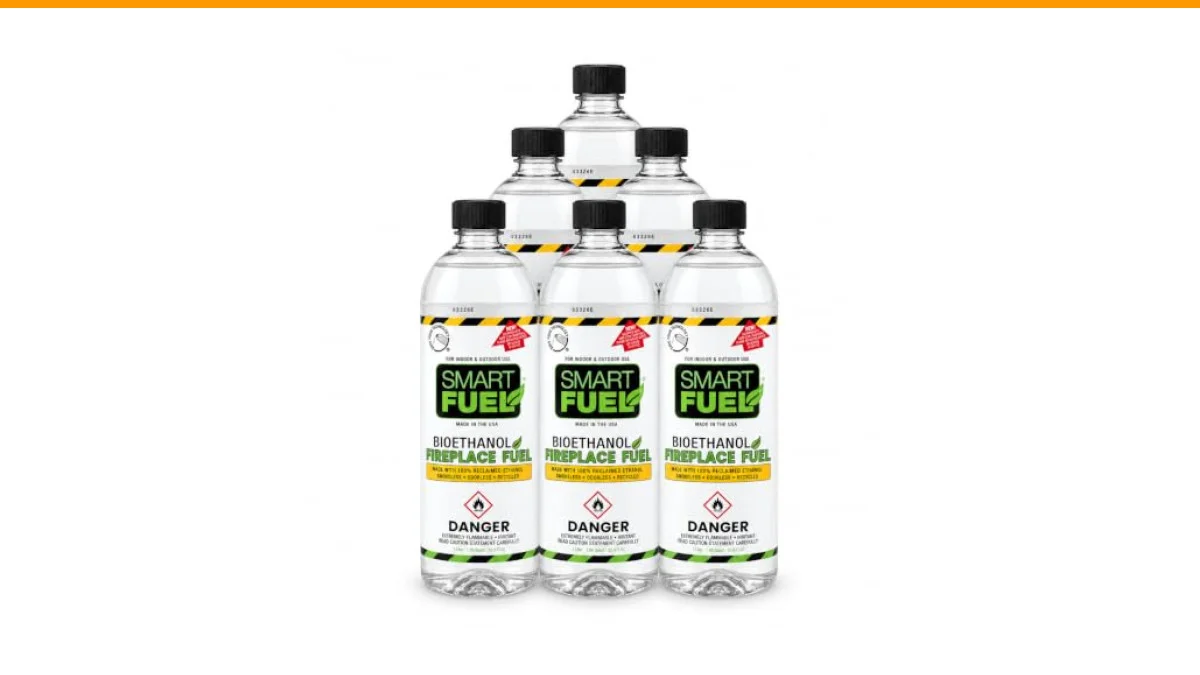
SmartFuel Bioethanol Fuel, Denatured Alcohol for Fire Pits, 1 L (Pack of 6) | Plant-Based Denatured Alcohol for Compatible Bio Ethanol Fireplaces, Burners and Stoves, Clean-Burning, Low-Odor Formula
- Bioethanol Liquid Fuel: 100% plant-based bioethanol fuel made for ethanol stoves, tabletop burners, indoor outdoor burner use, and…
- SafetyPour Bottle Cap: Patent-pending SafetyPour technology includes a CPSC-compliant flame-mitigation device for controlled trans…
- Clean Burning Bio Ethanol Liquid Fuel: Smokeless, odorless, and ash-free burn with minimal soot or residue when used as directed.…
How Ethanol Heaters Work
Ethanol heaters utilize bioethanol, a renewable energy source derived from plants, as fuel. These heaters convert the liquid fuel into gas, which is ignited to produce a clean, smokeless flame. The burning process produces heat, which warms the surrounding area efficiently. Most models are designed to operate without a flue, allowing for greater flexibility in placement.
Typically, an ethanol heater features a burner reservoir that holds the bioethanol. When activated, the fuel is ignited, and combustion begins. The flames produced are not only functional for heating but also serve as a decorative element, creating an ambiance that many find appealing. Ethanol heaters are available in various designs, from portable tabletop units to larger freestanding models.
Benefits of Ethanol Heaters
Using ethanol heaters presents several advantages:
- Environmental Impact: Bioethanol is a renewable resource. It burns cleanly, producing minimal emissions compared to fossil fuels.
- Efficiency: Ethanol heaters typically convert almost all the fuel into heat, achieving high energy efficiency rates.
- Convenience: Many models are portable and do not require complex installation or venting systems.
- Versatile Use: They can be used both indoors and outdoors, making them suitable for a range of settings.
- No Ash or Residue: The combustion process is clean, resulting in no soot or ash to clean up.
Safety Considerations
While ethanol heaters are generally safe, certain precautions should be taken:
- Proper Fuel Storage: Always store bioethanol fuel in a cool, dry place away from direct sunlight and heat sources.
- Refueling Protocols: Allow the burner to cool completely before adding fuel. Never pour fuel into a lit or hot burner.
- Ventilation: Ensure adequate ventilation in enclosed spaces to avoid the buildup of combustion byproducts.
- Child and Pet Safety: Keep the heater out of reach of children and pets to prevent accidents.
Comparison of Ethanol Heaters with Other Heating Methods
| Heating Method | Fuel Type | Installation Requirements | Emissions | Cost Efficiency |
|---|---|---|---|---|
| Ethanol Heater | Bioethanol | No venting required | Minimal | High |
| Gas Heater | Natural Gas/Propane | Venting required | Higher than ethanol | Moderate |
| Electric Heater | Electricity | Plug-in | Zero on-site emissions | Varies by local rates |
| Wood Stove | Wood | Venting required | Higher emissions | Moderate to low |
Frequently Asked Questions
1. Are ethanol heaters safe for indoor use?
Yes, ethanol heaters can be safely used indoors, provided that proper ventilation is maintained and safety precautions are followed, such as never refueling while the heater is lit.
2. How long does bioethanol fuel last in a burner?
On average, one liter of bioethanol fuel can last between 2 to 4 hours, depending on the burner design and the flame setting used.
3. Can I use regular alcohol instead of bioethanol?
No, only use fuels specifically designed for ethanol heaters. Regular alcohol may contain impurities that can produce harmful emissions.
4. Do ethanol heaters require maintenance?
Maintenance is minimal. Regularly clean the burner and check for any damage to ensure safe operation. Keep the surrounding area free of flammable materials.
5. How do I choose the right ethanol heater for my space?
Consider the size of the area you want to heat, the design aesthetics, and whether you prefer a portable or fixed unit. Always check the heater’s specifications for coverage area.
Final Thoughts
- Ethanol heaters provide an eco-friendly alternative to traditional heating methods.
- They require minimal installation and can be used in various settings.
- Safety practices are essential for ensuring safe operation.
- Bioethanol fuels, like SmartFuel, offer a clean-burning option for these heaters.
- Consider your heating needs and space before selecting a model.
- Regular maintenance ensures longevity and safe performance.
- Enjoy the warmth and ambiance of ethanol heaters with proper usage and care.



