Winter can be brutal. Cold drafts seep through windows, and chilly floors can make any space uncomfortable. When it comes to heating, two popular options are fan heaters and radiant heaters. Choosing the right one can significantly impact your comfort and energy bills. This article will help you understand the key differences between these heating systems, enabling you to make an informed decision.
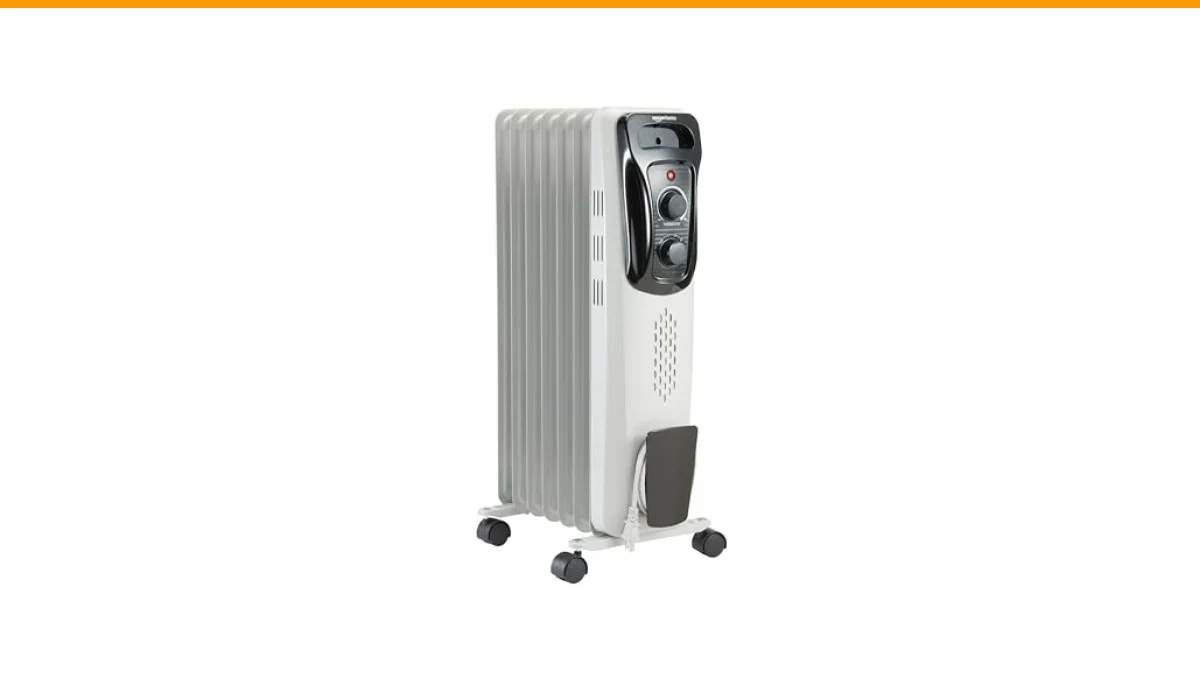
Both fan heaters and radiant heaters have their strengths, and selecting the right one depends on your specific needs. For instance, if you require immediate warmth in a room, a fan heater might be your best bet. However, for long-lasting heat retention, a radiant heater like the Amazon Basics Portable Oil Radiator Heater could be more suitable. It features three heat settings and efficiently warms up to 144 square feet, making it a great choice for various indoor spaces.

Amazon Basics
Amazon Basics Portable Oil Radiator Heater, Indoor Use, 3 Heat Settings, Over-Heat Protection, ETL-certified Safety, 7 Oil-Filled Steel Fins, 1500W, Tip-Over Protection, 11"D x 14.8"W x 25.2"H, White
- POWERFUL & ADJUSTABLE HEATING: Offers three heat settings—High (1500W), Medium (1000W), and Low (600W) - allowing you to customize…
- LONG-LASTING RADIATOR HEATING: Features seven oil-filled fins that deliver consistent, long-lasting heat, even after the heater is…
- QUIET OPERATION: Enjoy a peaceful environment with no fan noise - perfect for bedrooms, living rooms, and offices.
Understanding Fan Heaters
Fan heaters, also known as convection heaters, work by blowing air over a heating element. This process circulates warm air throughout the room. They are lightweight and portable, making them ideal for quick heating in different areas.
Here are some of the main characteristics of fan heaters:
- Heating Speed: Fan heaters provide instant warmth, making them beneficial for quickly heating small spaces.
- Size and Portability: Many fan heaters are compact and easy to move, fitting well in tight spaces.
- Noise Level: The fan mechanism can create noise, which may not be ideal for quiet environments like bedrooms.
- Energy Efficiency: While fan heaters heat quickly, they often consume more electricity than other types of heaters when used for extended periods.
Exploring Radiant Heaters
Radiant heaters operate differently. They emit infrared radiation, which warms objects and people directly within their line of sight instead of warming the air. This feature allows for efficient heating, making radiant heaters particularly effective in larger or drafty spaces.
Key features of radiant heaters include:
- Heating Method: Radiant heaters provide warmth by directly heating surfaces and bodies, creating a cozy environment.
- Heat Retention: They maintain warmth even after being turned off, thanks to their ability to heat mass.
- Noise Level: Most radiant heaters operate quietly, making them suitable for offices and bedrooms.
- Efficiency: Radiant heating can be more energy-efficient for prolonged use, as they do not require constant operation to maintain warmth.
Comparative Analysis: Fan vs Radiant Heater
| Feature | Fan Heater | Radiant Heater |
|---|---|---|
| Heating Speed | Instant warmth | Gradual warming |
| Portability | Lightweight and easy to move | Varies, but often portable |
| Noise Level | Can be noisy | Generally quiet |
| Energy Efficiency | Higher consumption over time | More efficient for longer use |
| Best Use Case | Small, well-insulated spaces | Larger areas or drafty rooms |
Frequently Asked Questions
1. Which heater is better for large spaces?
Radiant heaters are generally better for larger spaces. They warm objects and people directly, which can be more effective than just heating the air.
2. Can fan heaters be used in bathrooms?
Yes, fan heaters can be used in bathrooms, but ensure they are rated for such use. Safety features like splash resistance are essential.
3. How much energy do these heaters consume?
Fan heaters typically consume between 750 to 1500 watts, while radiant heaters vary based on their design but can also range from 600 to 1500 watts.
4. Are there safety concerns with either type of heater?
Yes, both types have safety considerations. Fan heaters can overheat if not monitored, while radiant heaters can become hot to the touch. Look for models with safety features like tip-over protection.
5. How do I choose the right heater for my needs?
Consider your space size, insulation, and how quickly you need warmth. For small, insulated rooms, fan heaters work well. For larger or more drafty areas, radiant heaters are ideal.
Final Thoughts
- Fan heaters provide instant warmth but can be noisy and less energy-efficient over time.
- Radiant heaters offer long-lasting warmth and operate quietly, ideal for larger spaces.
- Both types come in various sizes and styles to suit different needs.
- Safety features are critical; always check for protection mechanisms.
- Evaluate your heating needs based on space size, usage duration, and noise tolerance.
- Consider the Amazon Basics Portable Oil Radiator Heater for efficient and safe heating options.
- Ultimately, understanding the differences will help you choose the best heater for your comfort.



