Winter is here, and the chill in the air often drives us indoors where we seek warmth and comfort. For many, finding an effective and economical heating solution becomes a priority. However, with numerous heater types available, each with its own fuel source and operational costs, making an informed decision isn’t straightforward. This article breaks down the various heating options available, compares their fuel costs, and offers practical insights to help you choose the best heater for your needs.
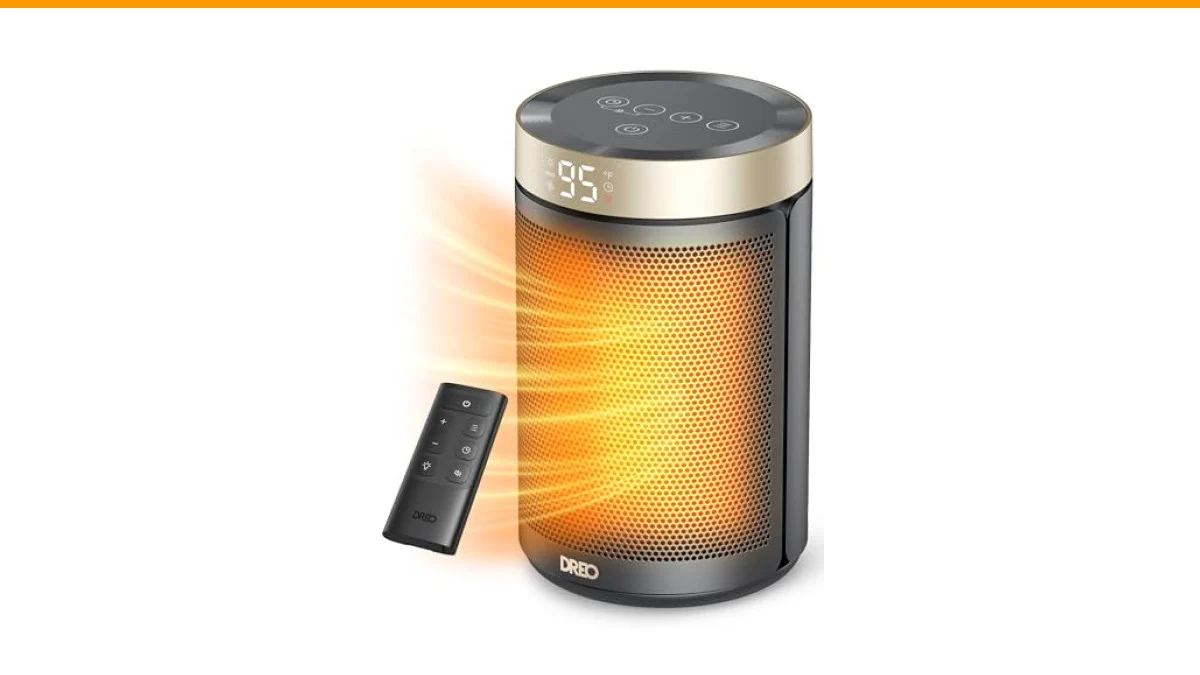
Among the various heating solutions, electric heaters like the DREO Space Heater provide a convenient and efficient way to warm indoor spaces. This model not only delivers powerful heat quickly but also features a thermostat for precise temperature control, making it adaptable for different environments. With safety features and portability, it’s a practical choice for many households.

DREO
DREO Space Heater, Portable Electric Heaters for Indoor Use with Thermostat | 2026 Upgraded, 34dB Quiet, 12H Timer, 5 Mode, Remote, 1500W PTC Ceramic Fast Safety Heat for Office Bedroom Home, Gold
- Powerful heat that fits everywhere: DREO space heaters for indoor combines Hyperamics 1500W advanced PTC system with a new heat fu…
- Unbreakable safety:DREO goes beyond the unexpected to deliver peace of mind with every room heater. The innovative tilt-detection…
- Ultimate temperature control: The enhanced NTC chipset brings more precision to turn your space heater with thermostat into a smar…
Types of Heaters and Their Fuel Sources
When comparing fuel costs for heaters, it’s essential to understand the types of heaters available and their associated fuel sources. Here are the main options:
- Electric Heaters: These heaters use electricity to generate heat. They are easy to use and often portable.
- Natural Gas Heaters: These heaters use natural gas as a fuel source. They are typically more efficient than electric models but require a gas line.
- Propane Heaters: Propane heaters are ideal for outdoor use or in areas without natural gas lines. They can be portable or installed.
- Oil Heaters: Oil heaters use oil to produce heat. They are less common today but can be effective in specific situations.
Fuel Cost Analysis
The cost of fuel varies significantly across different regions and types. Understanding these costs will help you in your fuel cost comparison for heaters. Here’s a breakdown of average fuel costs:
- Electricity: Average cost is about $0.13 per kWh. An electric heater using 1,500 watts (or 1.5 kW) will cost approximately $0.20 per hour to operate.
- Natural Gas: Average cost is around $1.00 per therm, with the average furnace consuming about 60 therms per month. This results in a monthly cost of about $60 for heating.
- Propane: The average cost is about $2.50 per gallon, with a heater using around 1 gallon per hour. This leads to an hourly cost of approximately $2.50.
- Heating Oil: Average cost is about $2.00 per gallon, with a typical furnace using about 0.8 gallons per hour. The cost per hour is roughly $1.60.
Fuel Cost Comparison Table
| Heater Type | Fuel Source | Cost Per Hour | Efficiency Rating |
|---|---|---|---|
| Electric Heater | Electricity | $0.20 | 100% |
| Natural Gas Heater | Natural Gas | $3.00 | 85% |
| Propane Heater | Propane | $2.50 | 95% |
| Oil Heater | Heating Oil | $1.60 | 80% |
Real-World Examples
Let’s consider a scenario where a household uses heating for 8 hours per day during winter months. Assuming a 30-day month, here’s how the costs would stack up:
- Electric Heater: 1,500 watts x 8 hours = 12 kWh. Monthly cost = 12 kWh x $0.13 = $15.60.
- Natural Gas Heater: 60 therms for the month = $60.
- Propane Heater: 1 gallon per hour x 8 hours x 30 days = 240 gallons. Monthly cost = 240 gallons x $2.50 = $600.
- Oil Heater: 0.8 gallons x 8 hours x 30 days = 192 gallons. Monthly cost = 192 gallons x $2.00 = $384.
From this analysis, electric heating appears to be the most cost-effective option for this scenario, while propane heaters significantly increase monthly costs.
Frequently Asked Questions
What is the most economical heater type?
Electric heaters often have lower operational costs, especially in areas where electricity rates are low. However, the actual economical choice can vary based on local fuel prices.
How do I calculate my heating costs?
To calculate heating costs, multiply the heater’s power consumption (in kilowatts) by the number of hours used, then multiply by the cost of electricity or fuel.
Are electric heaters safe to use?
Yes, electric heaters are generally safe when used according to the manufacturer’s guidelines. Safety features like tip-over protection and overheat protection are essential.
Can I use propane heaters indoors?
Using propane heaters indoors is risky without proper ventilation due to carbon monoxide emissions. It’s best to use them in well-ventilated areas or outdoors.
How can I improve my heater’s efficiency?
Regular maintenance, sealing drafts, and using programmable thermostats can significantly improve your heater’s efficiency and reduce fuel costs.
Final Thoughts and Action Points
- Consider the type of heater based on your living situation and fuel availability.
- Calculate potential heating costs based on your specific usage patterns.
- Look into electric heaters like the DREO Space Heater for efficient indoor heating solutions.
- Regular maintenance can improve efficiency and safety.
- Always consider safety features, especially with fuel-burning heaters.
- Stay informed about local fuel costs to make the most economical choices.
- Take into account the environmental impact of your heating choice.



