Introduction
Imagine turning on your gas heater during a chilly evening, only to notice a flickering yellow flame instead of the expected blue hue. This unsettling sight can leave many homeowners puzzled and concerned. A yellow flame not only signifies potential safety issues but can also lead to inefficient heating and increased energy costs. Understanding the reasons behind a gas heater’s yellow flame is essential for ensuring safety and optimal performance.
This article will delve into the causes of a yellow flame, the implications for your heating system, and provide actionable solutions to restore safe and efficient operation. You’ll also learn about the importance of maintenance and the role of replacement parts, like the Kisworm Patio Heater Reflector Shield, which helps enhance the performance of your outdoor heater.

Kisworm
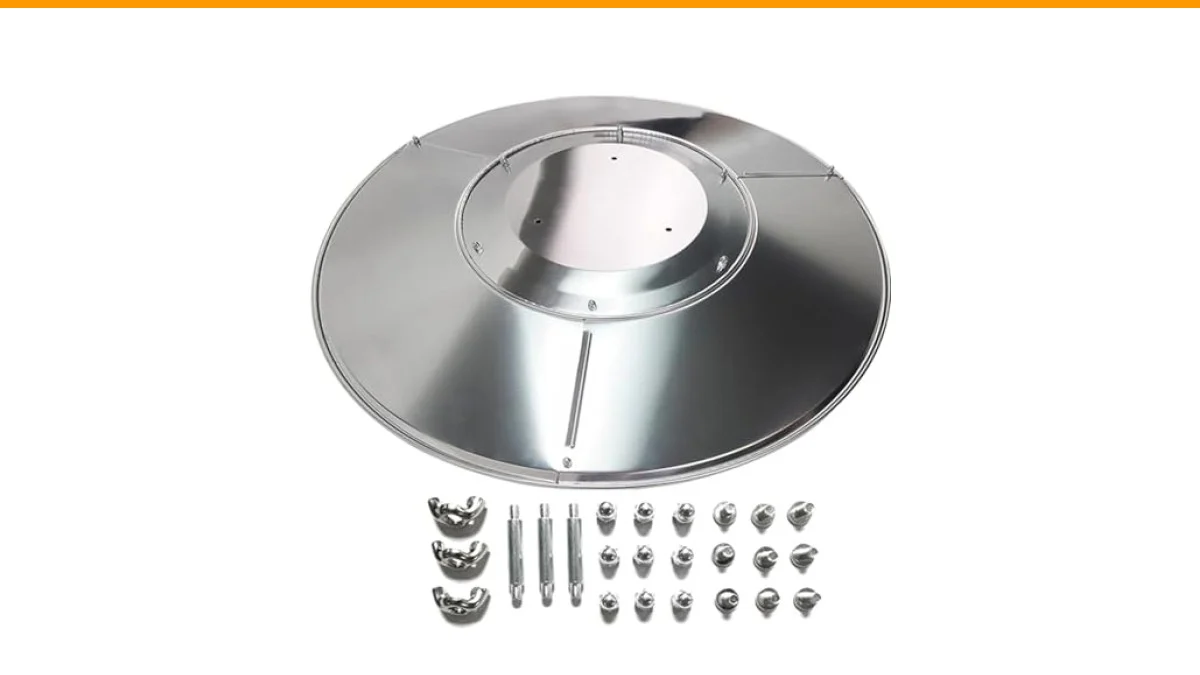
Kisworm Patio Heater Reflector Shield, Propane Outdoor Heaters Replacement Part - Top Dome, 3-Hole Mount, 33" Dia Round
- Universal Fit: 33-inch diameter patio heater reflector shield with pre-drilled 3 holes, the holes are 6 7/8" , fits most tall umbr…
- Easy Installation: Tool-free assembly. Remove the blue protective film before installation (Note: In some cases it may require dri…
- Durable: Made of aluminum, it is flame-resistant and rust-proof, with a large dome that conserves propane and protects the outdoor…
What Causes a Gas Heater to Produce a Yellow Flame?
A gas heater typically burns natural gas or propane, producing a blue flame when combustion is complete. However, several factors can lead to a yellow flame:
- Insufficient Air Supply: Incomplete combustion occurs when there’s not enough oxygen available. This can result from blocked air vents or inadequate ventilation in the room.
- Dirty Burners: Dust, dirt, or debris accumulating on the burner can hinder the flame’s ability to burn efficiently, often resulting in a yellow color.
- Gas Quality: The quality of gas can vary. Impurities or low-quality gas can lead to a yellow flame due to incomplete combustion.
- Incorrect Gas Pressure: If the gas pressure is too low or too high, it can affect combustion efficiency and change the flame color.
Addressing these issues promptly is crucial for both safety and efficiency.
Implications of a Yellow Flame
Seeing a yellow flame can have several repercussions:
- Safety Risks: A yellow flame indicates incomplete combustion, which can produce carbon monoxide. This is a colorless, odorless gas that poses serious health risks.
- Inefficient Heating: A yellow flame typically means your heater isn’t working efficiently, leading to increased energy bills as the system struggles to maintain the desired temperature.
- Damage to the Heater: Prolonged exposure to improper combustion can damage the heater itself, leading to costly repairs or replacements.
Recognizing these implications can motivate homeowners to take action quickly.
Solutions for Addressing a Yellow Flame
There are several solutions to restore the flame to its proper color:
- Check the Air Supply: Ensure that air vents are clear and that there is adequate ventilation in the room. This simple step can often resolve the issue.
- Clean the Burners: Regular maintenance is key. Clean the burners to remove any dirt or debris that may be affecting combustion.
- Examine Gas Quality: If you suspect issues with gas quality, contact your gas supplier for assistance.
- Adjust Gas Pressure: Consult a professional to check and adjust the gas pressure to the manufacturer’s specifications.
For outdoor heaters, consider replacing worn-out parts like the Kisworm Patio Heater Reflector Shield. This reflector shield fits most tall umbrella and mushroom propane heaters and is durable, making it a cost-effective way to improve efficiency.
Comparing Solutions for Yellow Flame Issues
| Solution | Effectiveness | Ease of Implementation | Cost |
|---|---|---|---|
| Check Air Supply | High | Easy | Free |
| Clean Burners | High | Moderate | Low |
| Examine Gas Quality | Moderate | Moderate | Varies |
| Adjust Gas Pressure | High | Requires Professional | Moderate |
Frequently Asked Questions
1. Can I still use my gas heater with a yellow flame?
It’s not advisable to continue using a gas heater with a yellow flame, as it indicates incomplete combustion and potential safety hazards, including carbon monoxide production.
2. How often should I clean my gas heater?
You should clean your gas heater at least once a year, ideally before the heating season begins. This helps maintain efficiency and safety.
3. What are the signs of carbon monoxide poisoning?
Symptoms include headaches, dizziness, confusion, and nausea. If you suspect carbon monoxide exposure, leave the area immediately and seek fresh air.
4. Should I attempt gas pressure adjustments myself?
It’s best to consult a professional for gas pressure adjustments. Improper handling can lead to dangerous situations.
5. What maintenance can prevent a yellow flame?
Regularly check air vents, clean burners, and schedule annual maintenance with a qualified technician to ensure your heating system operates safely and efficiently.
Final Observations
- A yellow flame indicates incomplete combustion; address it immediately.
- Regular maintenance can prevent many issues related to yellow flames.
- Consider replacing worn parts like the reflector shield for outdoor heaters.
- Always prioritize safety; carbon monoxide is a serious concern.
- Consult professionals when in doubt about gas systems.
- Keep your heater clean and well-ventilated for optimal performance.



