 Electric vs Wood Burning Sauna Heaters — Here Is the Honest AnswerWatch on YouTube
Understanding Your Sauna Heating Options
Imagine unwinding in your own sauna after a long day. The warmth wraps around you like a comforting hug, melting away stress. But as you consider your options for heating your sauna, you find yourself asking: is a gas powered sauna heater or an electric sauna stove the better choice? This article will break down the differences in utility bills, efficiency, and overall performance so you can make an informed decision.
As you read, you’ll gain insight into the operational costs of both heating methods and how they can affect your overall sauna experience. You’ll also learn about the Harvia M3 Woodburning Sauna Heater, an efficient wood-burning option that might suit your needs if you prefer a more traditional sauna experience.

Harvia
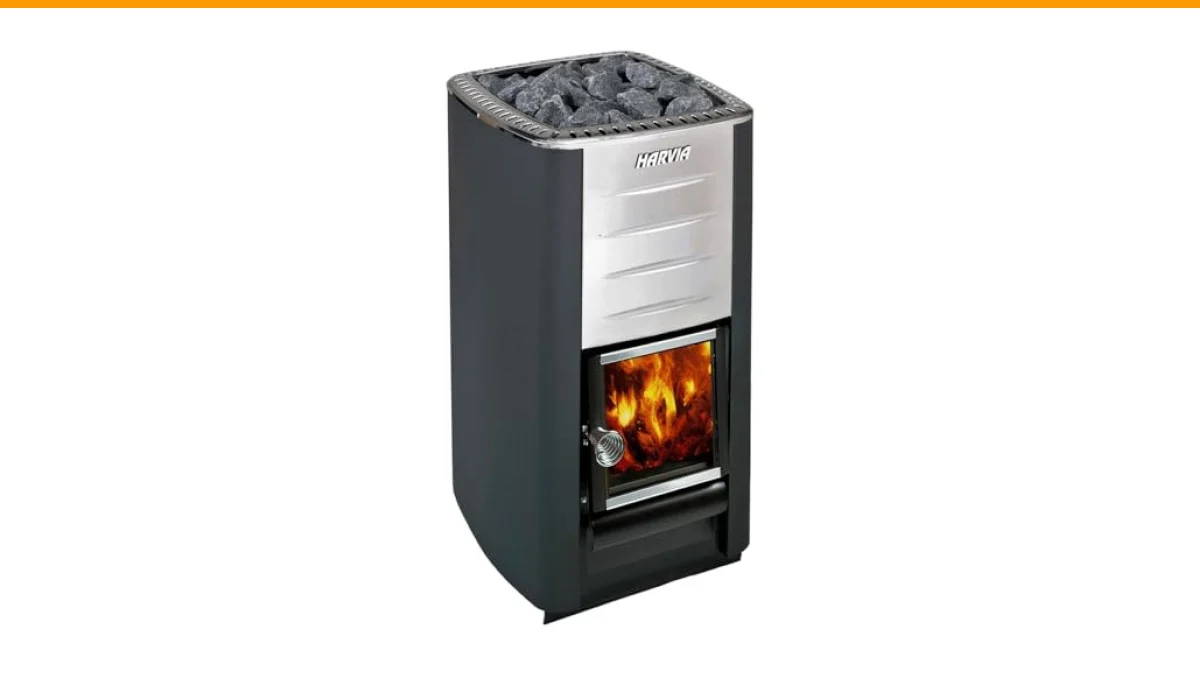
Harvia M3 Woodburning Sauna Heater
- Wood-burning. 16.5kW. Elegant graphite black.
- Stainless steel air-flow spoiler. Floor installation.
- Designed, engineered, and made in Finland. For sauna rooms from 212 to 459 cu. ft.
The Harvia M3 offers a robust 16.5kW heating capacity and is designed for sauna rooms of various sizes, making it a versatile choice for many homeowners.
Gas Powered Sauna Heater: Pros and Cons
Gas powered sauna heaters use natural gas or propane to generate heat. The main advantage is their ability to reach high temperatures quickly, making them ideal for users who want to enjoy a sauna session on short notice.
However, the utility bills associated with gas heaters can vary significantly depending on your local gas prices. Here are some key points to consider:
- Initial Setup Cost: Gas heaters can be more expensive to install due to venting requirements.
- Operating Costs: Depending on your gas rates, running a gas heater may be cheaper than electric, especially if you use your sauna frequently.
- Heat Distribution: Gas heaters often provide a more intense heat, which some users may prefer.
Consider your heating preferences and local gas prices when evaluating this option. Gas heaters can be efficient for frequent users, but they require a careful analysis of your specific situation.
Electric Sauna Stove: Pros and Cons
Electric sauna stoves use electricity to heat up sauna rocks, creating a gentle, consistent heat. They are generally easier to install and maintain, which is a significant plus for many homeowners.
When looking at utility bills, electric sauna stoves can have predictable costs, but they might be higher in areas with expensive electricity rates. Here are some factors to keep in mind:
- Ease of Use: Electric heaters are simple to operate, often featuring timers and temperature controls.
- Energy Efficiency: Electric stoves can be more energy-efficient, particularly in smaller sauna spaces.
- Heating Time: They generally take longer to reach the desired temperature compared to gas models.
If you want convenience and ease of use, an electric stove might be more appealing, but you should weigh the potential utility costs carefully.
Comparing Utility Bills: A Side-by-Side Look
| Factor | Gas Powered Sauna Heater | Electric Sauna Stove |
|---|---|---|
| Installation Cost | Higher due to venting | Lower, easy installation |
| Operating Cost | Variable, depends on gas prices | Predictable, based on electricity rates |
| Heating Time | Faster heating | Slower heating |
| Heat Experience | Intense, dry heat | Consistent, gentle heat |
| Maintenance | More involved | Less involved |
Common Questions About Sauna Heating Options
1. How do I choose between gas and electric?
Consider your budget for installation and monthly utility costs. If you prioritize quick heating and intense heat, gas may be better. For ease of use and lower installation costs, electric is a solid choice.
2. What are the average costs for operating each type?
Operating costs vary widely based on local prices. On average, electric heaters can range from $30 to $100 monthly, while gas may be lower, ranging from $20 to $80, depending on usage.
3. Are there any safety concerns with gas heaters?
Yes, gas heaters require proper ventilation to prevent carbon monoxide buildup. Regular maintenance checks are essential to ensure safety.
4. Which heater lasts longer?
Electric heaters typically have a longer lifespan due to fewer moving parts. Gas heaters may require more frequent servicing, which can impact longevity.
5. Can I install either heater myself?
Electric heaters are usually straightforward to install, while gas heaters often require professional installation due to safety regulations.
Final Thoughts on Your Sauna Heating Choice
- Gas heaters can heat quickly and provide intense heat but may have higher installation costs.
- Electric heaters are easier to install and maintain, making them ideal for most homeowners.
- Consider your local utility rates when estimating monthly costs.
- Evaluate your sauna usage frequency to determine which option suits you best.
- Explore options like the Harvia M3 for a traditional, wood-burning experience if you’re open to different heating methods.
- Ultimately, the choice between gas powered sauna heater vs electric sauna stove will depend on your personal preferences and circumstances.
- Don’t forget to check local regulations regarding installation and safety standards.