Understanding GFCI Plugs
Imagine you’ve just finished washing your car in the driveway. You reach for an electrical cord to plug in your vacuum, but it’s drizzling outside. In this moment, the thought of water and electricity mixing sends a shiver down your spine. This is where Ground Fault Circuit Interrupter (GFCI) plugs come into play. These plugs serve a vital purpose: they protect you from electrical shock in potentially hazardous conditions.
In this article, you’ll learn everything you need to know about GFCI plugs, including their importance, how they function, and the different types available. You’ll walk away with a solid understanding of why these devices are essential for safety in areas where electrical devices might come into contact with moisture.

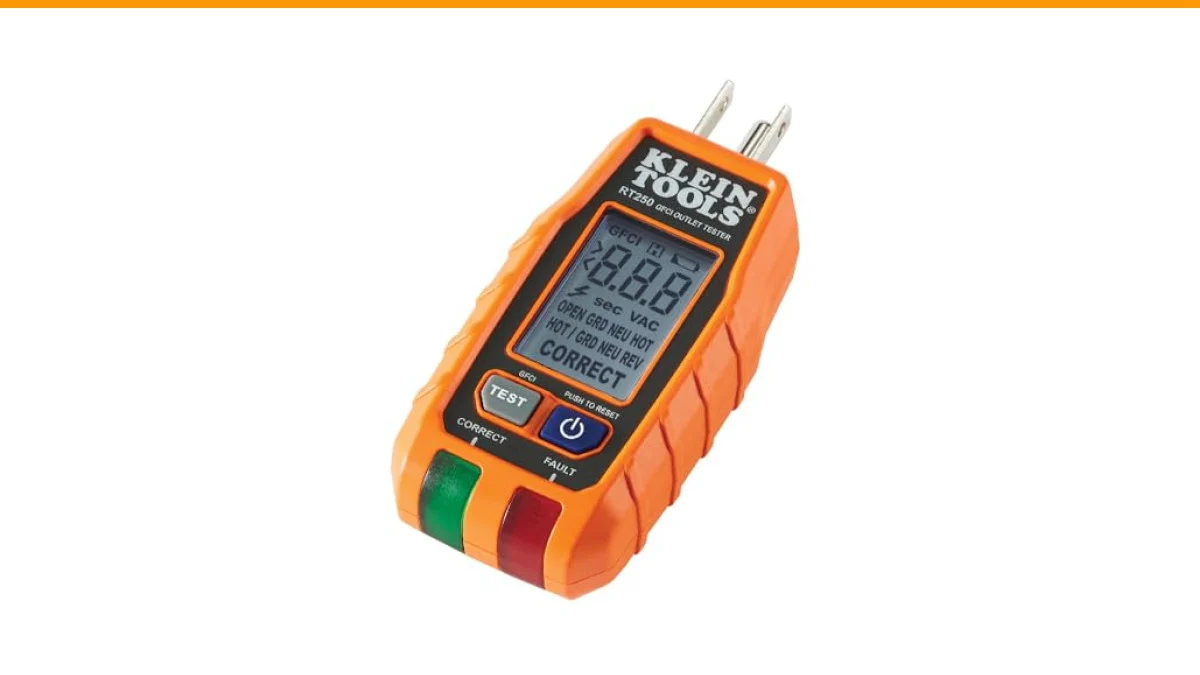
KLEIN TOOLS
Klein Tools RT250 GFCI Outlet Tester with LCD Display, Electric Voltage Tester for Standard 3-Wire 120V Electrical Receptacles
- CLEAR LCD READOUT: GFCI Receptacle Tester features a large backlit LCD readout for easy voltage reading and clear indication of wi…
- TRIP TIME DISPLAY: LCD readout shows the time required to trip a GFCI device, allowing for quick and accurate troubleshooting
- DETECT COMMON WIRING FAULTS: Detect and identify common wiring faults, ensuring electrical safety and proper functionality of GFCI…
If you want to ensure your GFCI outlets are functioning correctly, consider using a reliable tool like the Klein Tools RT250 GFCI Outlet Tester. This handy device features an LCD display to help you troubleshoot wiring issues and confirm that your GFCI outlets are working as intended.
What Is a GFCI Plug?
A GFCI plug is designed to prevent electrical shock by monitoring the flow of electricity in a circuit. If it detects an imbalance between incoming and outgoing current—indicating a potential ground fault—it quickly shuts off the power. This rapid response can occur in as little as 1/40 of a second, making GFCI plugs incredibly effective in safeguarding users.
Where Are GFCI Plugs Required?
GFCI plugs are essential in areas where water and electricity can come into contact. Here are some common locations:
- Bathrooms: Outlets near sinks need GFCI protection to prevent shock.
- Kitchens: Countertop outlets, especially near sinks, should be GFCI-protected.
- Outdoor Areas: Any exterior outlets exposed to the elements require GFCI plugs.
- Basements and Garages: Moisture-prone areas benefit significantly from GFCI protection.
Types of GFCI Devices
There are various types of GFCI devices available, including:
| Type | Description |
|---|---|
| GFCI Plug | A plug that incorporates GFCI technology, allowing it to be used in any standard outlet. |
| GFCI Outlet | A wall outlet that provides GFCI protection directly at the source. |
| GFCI Circuit Breaker | A circuit breaker in the electrical panel that protects an entire circuit. |
Each type has its own advantages depending on the installation scenario and user needs. For example, GFCI outlets provide built-in protection without needing an additional plug, while GFCI circuit breakers can protect multiple outlets in a single circuit.
How Do You Test a GFCI Plug?
Testing a GFCI plug is straightforward:
- Plug in the GFCI tester or a device you want to check.
- Press the “Test” button on the GFCI plug. This should cut power to the device.
- Press the “Reset” button to restore power.
If the GFCI plug does not trip, it may need replacement or servicing.
How Often Should GFCI Outlets Be Tested?
It’s advisable to test GFCI outlets every month to ensure proper functionality. Over time, wear and tear can affect the performance of these devices, making regular checks critical.
What Happens If a GFCI Plug Trips?
When a GFCI plug trips, it interrupts the electrical current due to a detected fault. This is a safety feature designed to protect you from electric shock. Simply press the reset button to restore power after addressing any underlying issues.
Can GFCI Devices Be Used in Dry Areas?
Yes, GFCI devices can be used in dry areas as an added safety measure. While not required, they can provide an extra layer of protection for general-use outlets.
Takeaways for Safety
- GFCI plugs are essential for electrical safety in wet environments.
- Test GFCI outlets monthly to ensure they function correctly.
- Consider using a GFCI outlet tester, like the Klein Tools RT250, for easy troubleshooting.
- Different types of GFCI devices cater to various installation needs.
- Always reset GFCI plugs after they trip and address any issues before doing so.
- GFCI protection is beneficial even in dry areas for added safety.
- Regular maintenance and testing can help prevent accidents and ensure your safety at home.



