Introduction
Winter nights can be long and chilly, with many homeowners searching for effective heating solutions to keep their spaces warm and cozy. Whether you’re working from home, enjoying a quiet evening, or trying to get a good night’s sleep, the right heating option can make all the difference. In this article, we will explore the distinctions between hardwired and plug-in heaters, helping you to make an informed decision based on your specific needs.
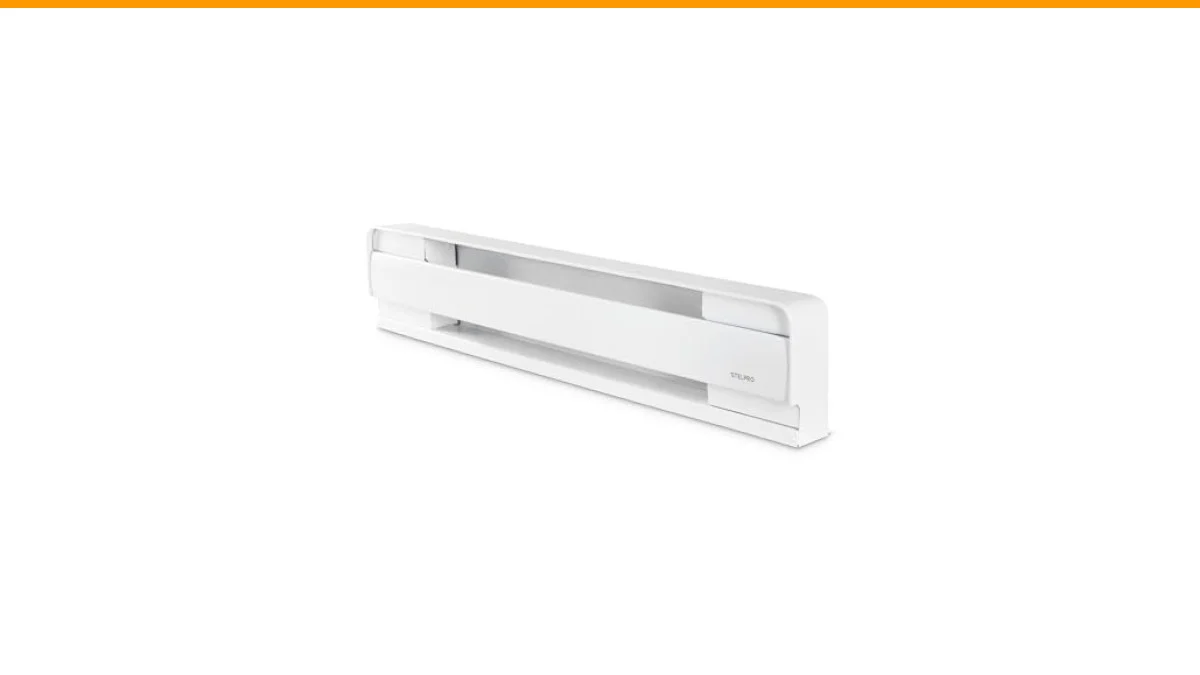
You’ll walk away with a clear understanding of the advantages and disadvantages of both types of heaters, installation considerations, and how to choose the best option for your living space. We’ll also compare a recommended product, the Stelpro Brava Electric Baseboard Heater, to illustrate a hardwired option that delivers efficient heating.
Stelpro
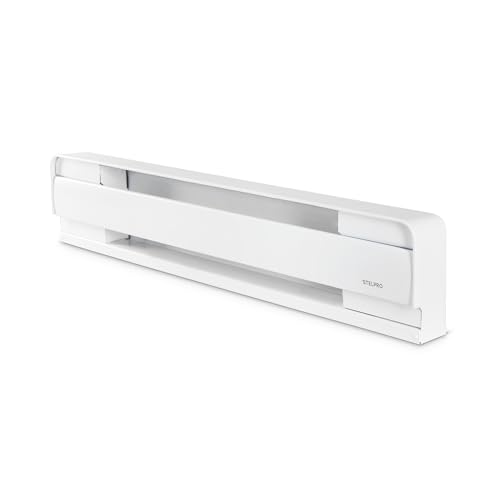
Stelpro Brava Electric Baseboard Heater - 500W 120V - AB0501W - White | Whisper-quiet build, Heats up to 50 sq ft, Rounded corners protect kids and pets, Hardwired, Thermostat sold separately
- 500W ELECTRIC HEAT COVERS UP TO 50 SQ FT when hardwired to a 120V circuit, delivering silent convection warmth to bedrooms, home o…
- SILENT ONE-PIECE STEEL CONSTRUCTION uses a single tubular stainless steel sheathed element with aluminum fins floating in a one-pi…
- REQUIRES EXTERNAL THERMOSTAT CONTROL, pair it with a separately sold wall thermostat or an easy to install built-in thermostat uni…
Hardwired Heaters: An Overview
Hardwired heaters are permanently installed into your home’s electrical system. They require professional installation and connect directly to your electrical panel. This type of heater is often used for baseboard heating or wall-mounted units.
Key features of hardwired heaters include:
- Permanent installation, providing a seamless look.
- Higher heating capacity, suitable for larger spaces.
- More efficient heating over time.
- Requires external thermostat control to regulate temperature.
A great example is the Stelpro Brava Electric Baseboard Heater. This model operates at 500W on a 120V circuit and can effectively heat areas up to 50 square feet, making it ideal for bedrooms or home offices.
Plug-in Heaters: An Overview
Plug-in heaters are portable units that you can easily move from room to room. They simply plug into standard electrical outlets and do not require professional installation. These heaters come in various forms, including space heaters and radiant heaters.
Advantages of plug-in heaters include:
- Portability allows for flexible heating options.
- No installation costs or professional assistance needed.
- Lower initial investment compared to hardwired heaters.
However, plug-in heaters may have limitations, such as lower heating capacity and potential safety concerns if not monitored properly. They are also less energy-efficient than hardwired options, especially in larger spaces.
Installation Considerations
Installation is one of the key differences between hardwired and plug-in heaters. Hardwired units require a licensed electrician for installation, which adds to the upfront cost. These heaters are typically more complex to install, necessitating a proper understanding of your home’s electrical system.
In contrast, plug-in heaters are designed for user-friendly operation. Simply find an outlet, plug it in, and turn it on. This ease of installation makes them appealing for renters or those who prefer flexibility without commitment.
Efficiency and Performance
When it comes to efficiency, hardwired heaters generally outperform plug-in varieties. Hardwired units maintain a consistent temperature due to their connection to the home’s electrical system. They are often equipped with advanced features such as programmable thermostats, allowing for optimized heating schedules.
Plug-in heaters can be effective for spot heating or short-term use, but they may not provide the same level of control or efficiency as hardwired systems. If you need to heat a large area for extended periods, hardwired heaters like the Stelpro Brava are likely the better choice.
Comparison Table
| Feature | Hardwired Heaters | Plug-in Heaters |
|---|---|---|
| Installation | Requires professional installation | Simple, DIY plug-and-play |
| Heating Capacity | Typically higher | Lower, suitable for small spaces |
| Efficiency | More energy-efficient | Less efficient for larger areas |
| Portability | Fixed installation | Portable, easy to move |
| Control | Requires external thermostat | Built-in controls |
Common Questions
1. Are hardwired heaters safer than plug-in heaters?
Hardwired heaters are generally considered safer for long-term use because they are permanently installed and reduce the risk of overheating. However, both types require proper maintenance and monitoring.
2. Can I use a plug-in heater as my primary heat source?
While you can use a plug-in heater as a primary heat source, it’s often less effective in larger areas. They work best as supplemental heat in smaller rooms or during short periods.
3. How can I ensure my heater is energy-efficient?
For hardwired heaters, use a programmable thermostat. For plug-in units, look for energy-efficient designs and features. Regular maintenance, like cleaning filters, also boosts efficiency.
4. What is the average lifespan of these heaters?
Hardwired heaters typically last longer, often 20 years or more, while plug-in heaters might last around 5-10 years, depending on usage and maintenance.
5. Are there any special requirements for installing hardwired heaters?
Yes, hardwired heaters must be installed by a licensed electrician to comply with local building codes and ensure safety.
Final Insights
- Hardwired heaters are ideal for permanent installations and larger spaces.
- Plug-in heaters offer flexibility and low initial costs.
- Consider your heating needs and space layout before deciding.
- Ensure proper installation and maintenance for safety and efficiency.
- Check the current price of the Stelpro Brava Electric Baseboard Heater to see if it fits your needs.
- Evaluate energy costs associated with both heater types to make the best choice.
- Consult with a professional if unsure about installation requirements for hardwired units.



