Understanding Heating Element Materials
Every time you turn on an appliance like a dryer or heater, you rely on heating elements made from various materials. These elements generate heat through electrical resistance, turning electrical energy into thermal energy. The choice of material directly impacts efficiency, durability, and performance. As a homeowner or technician, knowing about heating element materials can help you make informed decisions when purchasing or repairing appliances.
This article will guide you through the different types of heating element materials, their properties, and applications. You’ll gain insights into the best practices for selecting the right material for your needs.
MONKEMON
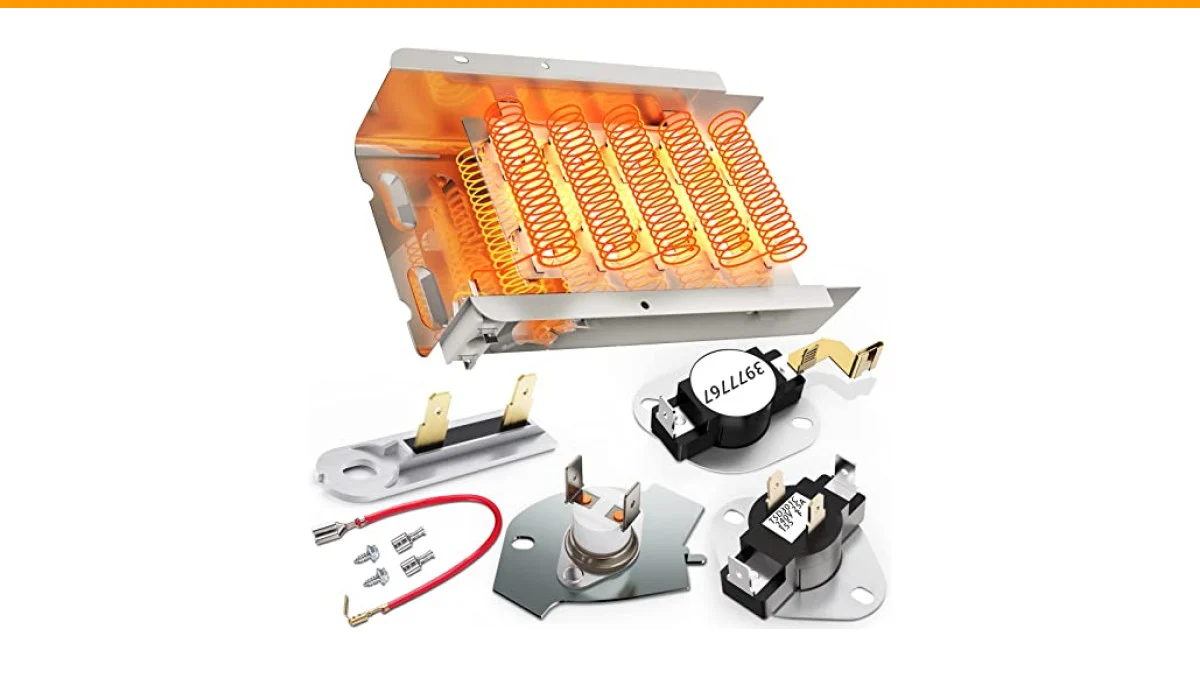
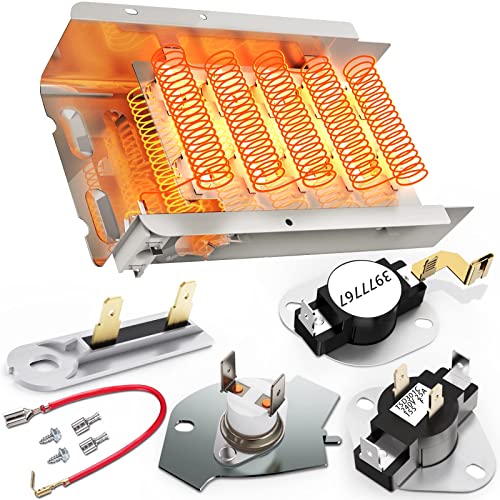
[UPGRADED] 279838 Dryer Heating Element for Whirlpool Kenmore Maytag Amana Roper, Dryer Heating Element Parts Include Dryer Thermostat Thermal Fuse, Replaces 2406026 3403585 w10724237
- Dryer Heating Element Parts Compatible with: kenmore whirlpool roper maytag bravos amana estate cabrio crosley admiral inglis kitc…
- Compatible Dryer Models:279838 dryer heating element parts compatible with kenmore 70 80 90 300 400 500 600 series model 110. The…
- Upgrade Quality:Monkemon heating element performs excellently in heat-proof and abrasion-proof with its NICKEL-CHROMIUM content up…
If you’re facing issues with your dryer, consider the [UPGRADED] 279838 Dryer Heating Element for Whirlpool Kenmore Maytag Amana Roper. This heating element set includes essential components for effective repairs, ensuring compatibility with various dryer models.
Common Heating Element Materials
Heating elements are primarily made from a few key materials, each with unique characteristics:
- Nickel-Chromium Alloys (NiCr): This is the most common material used for heating elements. An alloy of nickel and chromium, it withstands high temperatures and corrosion, making it ideal for applications like electric dryers and ovens.
- Kanthal (FeCrAl): Composed of iron, chromium, and aluminum, Kanthal is known for its excellent oxidation resistance. It’s suitable for high-temperature applications, such as industrial furnaces and toasters.
- Stainless Steel: While not as efficient as alloys, stainless steel is often used for lower-temperature applications. It’s durable and resistant to rust, making it useful in household appliances.
- Carbon Fiber: This newer material is lightweight and efficient but may not be as durable as metal options. It’s often found in high-end appliances and specialized applications.
Choosing the Right Heating Element Material
Selecting the appropriate heating element material depends on several factors:
- Temperature Requirements: Determine the maximum operating temperature for your application. For example, nickel-chromium is ideal for high heat, while stainless steel suits lower temperatures.
- Corrosion Resistance: If the heating element will face moisture or chemicals, opt for materials like Kanthal or nickel-chromium to ensure longevity.
- Application Type: Consider whether the heating element will be used for industrial, commercial, or residential purposes. This will influence material choice.
- Cost and Availability: Balance your budget with the quality of materials. Sometimes, opting for a less expensive material may lead to increased maintenance costs.
Heating Element Material Comparison
| Material | Max Temperature (°C) | Corrosion Resistance | Durability | Common Applications |
|---|---|---|---|---|
| Nickel-Chromium | 1200 | High | Good | Dryers, Ovens |
| Kanthal | 1400 | Very High | Excellent | Industrial Furnaces |
| Stainless Steel | 800 | Moderate | Good | Household Appliances |
| Carbon Fiber | 600 | Low | Variable | High-end Appliances |
Frequently Asked Questions
1. What is the best material for heating elements?
Nickel-chromium alloys are widely regarded as the best choice for most heating applications due to their durability and resistance to oxidation.
2. Can I replace a heating element with a different type of material?
Replacing a heating element with a different material is possible but may affect performance. Always consult the manufacturer’s specifications before making changes.
3. How can I tell if my heating element is faulty?
Signs of a faulty heating element include inconsistent heating, an inability to reach the desired temperature, or visible damage on the element itself.
4. Are there any safety concerns with heating elements?
Heating elements can pose fire hazards if not maintained properly. Always ensure that they are installed correctly and check for frayed wires or corrosion.
5. How often should heating elements be replaced?
The lifespan of a heating element varies by use. Regular inspection can help you determine if it needs replacement, typically every 5-10 years depending on usage.
Final Thoughts
- Nickel-chromium is the most versatile heating element material.
- Evaluate maximum temperature and corrosion resistance when selecting materials.
- Consider the application type to ensure optimal performance.
- Regularly inspect heating elements to prevent safety hazards.
- Keep a trusted replacement part on hand for quick fixes, like the Monkemon dryer heating element.
- Budget for materials wisely, weighing initial cost against long-term durability.
- Stay informed about the best practices for maintaining appliances to extend their lifespan.



