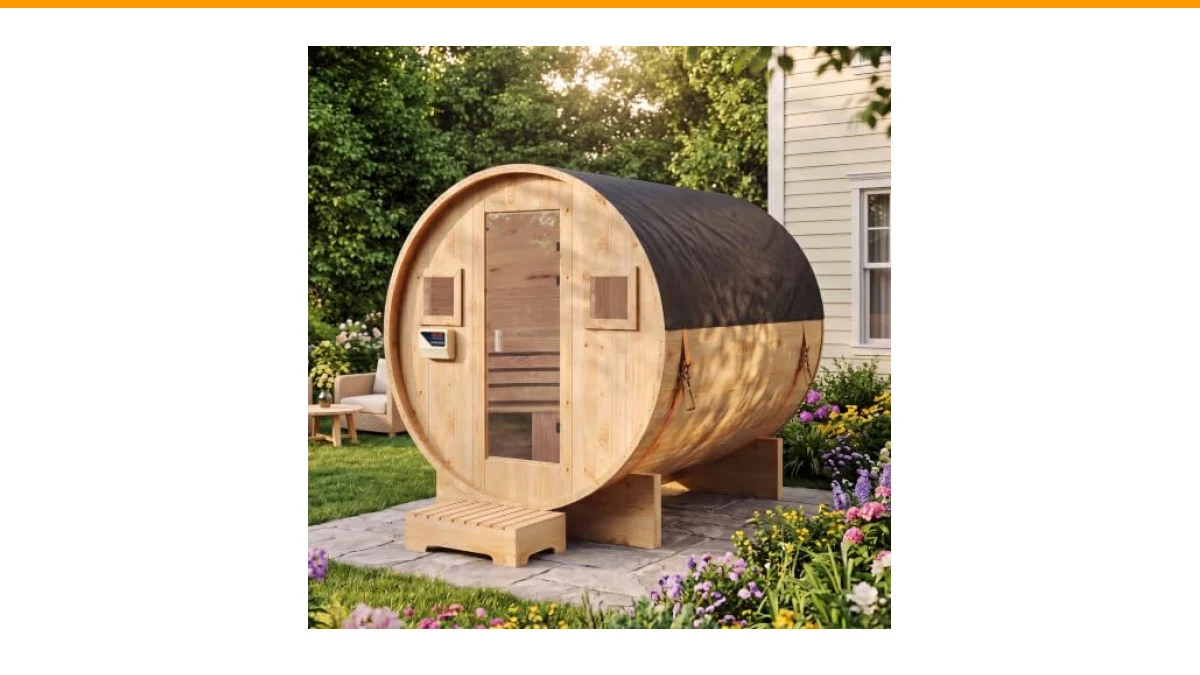
After a long day, many people crave a way to unwind. Imagine stepping into a warm, soothing environment designed to relax your muscles and clear your mind. Saunas have long been a go-to for stress relief and detoxification, but options abound. The choice between a high heat dry sauna and a low heat infrared sauna can shape your experience and health benefits. This article will help you understand the differences, benefits, and considerations of each option.
You might also consider how products like the RRGFB Infrared Sauna Blanket can fit into your routine. This portable sauna blanket allows you to enjoy detoxification and relaxation at home through infrared technology, making it a convenient choice for many.

RRGFB
RRGFB Infrared Sauna Blanket for Home Detox, Portable, 6 ft x 2.6 ft | Low-EMF Waterproof Oxford fabric 1-60 min timer Overheat auto shut-off 5 wraps & bag
- Relaxation at Home: Transform your home into a relaxing spa with our sauna blanket. Just 30 minutes of use allows you to unwind an…
- Rejuvenating Sweat Experience: Support your daily wellness routine with a gentle, soothing sweat session. Regular use helps refres…
- Enhanced Blood Circulation: This infrared sauna blanket is designed to improve blood circulation, which can aid muscle recovery an…

 Infrared Sauna VS Traditional Sauna: What's Best?Watch on YouTube
Understanding High Heat Dry Saunas
High heat dry saunas typically operate at temperatures ranging from 150°F to 195°F (65°C to 90°C). These saunas use traditional heaters to warm the air, which in turn heats your body. The experience is often intense, leading to a more vigorous sweat.
Benefits of high heat dry saunas include:
- Intense sweating: This can facilitate the release of toxins and impurities from the skin.
- Improved circulation: The heat causes blood vessels to expand, promoting better blood flow.
- Muscle relaxation: The high temperatures can alleviate muscle tension and soreness.
Be mindful, though. Prolonged exposure can lead to dehydration if not managed properly. It’s crucial to stay hydrated before and after your session.
Exploring Low Heat Infrared Saunas
Low heat infrared saunas operate at lower temperatures, usually between 120°F and 140°F (49°C to 60°C). They use infrared light to heat the body directly rather than warming the air. This method allows for a more comfortable experience, particularly for those sensitive to heat.
Key advantages of infrared saunas include:
- Deeper tissue penetration: Infrared light can penetrate the skin more effectively, promoting deeper detoxification.
- Lower temperature comfort: Users can enjoy longer sessions without feeling overheated.
- Potential weight loss support: Some studies suggest infrared saunas may aid in burning calories during a session.
While they offer a gentler experience, it’s important to maintain regular use to fully experience the benefits. Sessions of 30 to 60 minutes are common.
Comparative Analysis of Saunas
| Feature | High Heat Dry Sauna | Low Heat Infrared Sauna |
|---|---|---|
| Temperature Range | 150°F – 195°F | 120°F – 140°F |
| Heating Method | Traditional heaters | Infrared light |
| Experience | Intense sweating | Comfortable, less intense |
| Detoxification Depth | Surface level | Deeper tissue |
| Session Duration | 15 – 30 minutes | 30 – 60 minutes |
| Hydration Needs | Higher | Moderate |
Common Questions About Saunas
1. How frequently should I use a sauna for detoxification?
Most experts recommend using a sauna 2-3 times a week for effective detoxification. Adjust frequency based on your individual tolerance and experience.
2. Are there any health risks associated with sauna use?
While saunas are generally safe for most people, those with certain health conditions, such as cardiovascular issues or pregnancy, should consult a doctor before using a sauna.
3. Can I use a sauna if I’m dehydrated?
Using a sauna when dehydrated is not advisable. Always hydrate before and after your session to prevent negative effects.
4. How long does it take to see results from sauna use?
Results can vary. Many people report feeling relaxed and rejuvenated after one session, while long-term benefits like improved skin and muscle recovery may take several weeks of regular use.
5. Can I combine both high heat and infrared sauna experiences?
Yes, alternating between high heat dry and infrared saunas can provide a variety of benefits. Just pay attention to how your body responds and adjust accordingly.
Final Thoughts
- Consider your comfort level when choosing between high heat and low heat saunas.
- Hydration is critical for both types of saunas.
- Regular use enhances the benefits you experience.
- Monitor your body’s response and adjust session length as needed.
- The RRGFB Infrared Sauna Blanket offers a convenient way to enjoy infrared sauna benefits at home.
- Consult with a healthcare provider if you have existing health conditions.
- Experiment with both types of saunas to find what works best for you.