Imagine firing up your propane heater on a chilly evening, only to find it sputtering or producing an unpleasant odor. Regular maintenance is crucial for these heaters to ensure they operate efficiently and safely. Cleaning your propane heater might seem daunting, but with the right approach, it becomes straightforward. In this article, you will learn step-by-step methods to clean your propane heater, ensuring it remains in top condition.
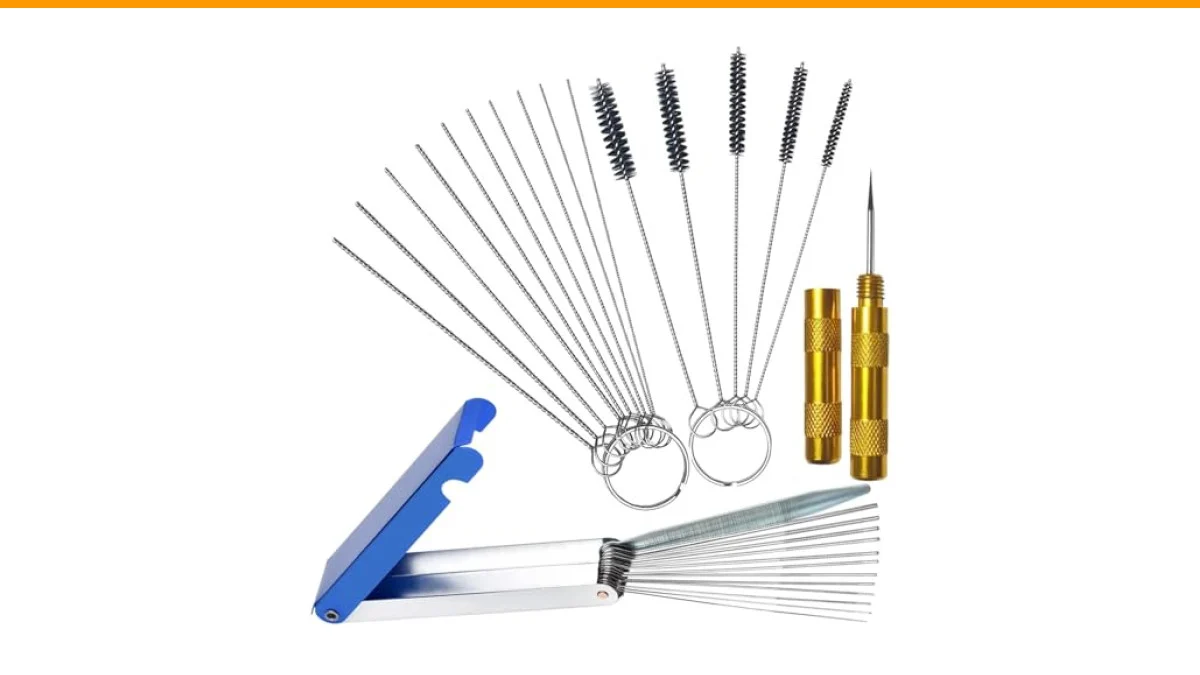
Cleaning a propane heater involves various tasks, including inspecting the burner, cleaning the exterior, and checking fuel lines. It’s essential to have the right tools on hand. For those hard-to-reach spots, the Motfittings Carburetor Cleaning Kit can be incredibly useful. This kit includes various brushes and cleaning needles that can tackle grime in tight spaces, making it easier to maintain your heater.

Motfittings
Motfittings Carburetor Cleaning Kit, 13 Wires + 10 Needles + 5 Brushes + 1 Pick, Premium Torch Tip Cleaner, Carbons Dirt Jet Remove, Suitable for Auto, Motorcycles, ATV, Welder, Lawn Equipment
- SAVE YOUR TIME: Are you annoyed that you don't have the right tools to clean a small space? Our carb cleaner can just solve your t…
- HIGH QUALITY MATERIAL: Our carburetor cleaning brushes is made of stainless steel and nylon materials, rust-proof, non-deformed, n…
- DIFFERENT DIAMETERS: Our torch tip cleaner contain different diameters, torch tip cleaner set : 2mm, 3mm, 4mm, 5mm, 7mm. Cleaning…
Understanding Your Propane Heater
Before delving into cleaning, it’s vital to understand how your propane heater works. Different heaters vary by design, impacting cleaning methods. Generally, propane heaters have a burner that ignites fuel to generate heat, and a heat exchanger that distributes warmth. Common types include portable heaters, wall-mounted units, and outdoor patio heaters. Knowing your heater type helps tailor your cleaning approach.
Tools and Materials Needed
Gathering the right tools makes the cleaning process efficient. Here’s a quick list:
- Soft cloths
- Carburetor cleaning kit (like the one from Motfittings)
- Brushes with various bristle types
- Vacuum cleaner with a hose attachment
- Soapy water
- Safety goggles and gloves
Using the right tools ensures you clean effectively without damaging any components.
Step-by-Step Cleaning Process
Follow these steps for a thorough cleaning:
- Turn Off the Heater: Always ensure the heater is turned off and cooled down before starting.
- Inspect the Area: Check for dust and debris around the heater. Clear any obstacles.
- Clean the Exterior: Use a damp cloth and soapy water to wipe down the outer surfaces. Avoid harsh chemicals that might damage the finish.
- Inspect and Clean the Burner: Remove the burner cover (if applicable) and inspect for dirt buildup. Use the carburetor cleaning kit to clean out any obstructions. The brushes and needles are great for this.
- Vacuum the Interior: Use a vacuum with a hose attachment to remove dust and debris from inside the heater.
- Check Fuel Lines: Inspect the fuel lines for leaks or damage. Clean any accessible areas gently.
- Reassemble and Test: Once everything is clean and dry, reassemble the heater and test it to ensure it operates smoothly.
Following these steps keeps your propane heater functioning optimally. But what if you encounter specific issues?
Common Issues and Solutions
During cleaning, certain problems may arise. Here are a few common scenarios:
- Burner Not Igniting: Ensure there’s no blockage in the gas line and that the igniter is functioning.
- Unpleasant Odors: This could indicate a buildup of debris or inefficient combustion. Clean thoroughly.
- Inconsistent Heat: Check if the burner holes are clogged or misaligned. Cleaning can often resolve this.
Addressing these issues promptly can prolong your heater’s life and improve safety.
| Cleaning Method | Effectiveness | Time Required | Difficulty Level |
|---|---|---|---|
| Manual Cleaning | High | 30-60 minutes | Moderate |
| Professional Cleaning Service | Very High | Varies | Easy |
| Using Cleaning Kits | High | 20-40 minutes | Easy |
Frequently Asked Questions
How often should I clean my propane heater?
It’s recommended to clean your propane heater at least once a year or before the heating season starts. If you use it frequently, consider cleaning it every few months.
Can I use any cleaner for my propane heater?
No, avoid harsh chemicals. Stick to mild soap and water to prevent damage to the heater’s components.
What are the signs my propane heater needs cleaning?
Signs include strange odors, uneven heating, or visible debris around the burner. If the heater struggles to ignite, it also needs attention.
Is it safe to clean my propane heater myself?
Yes, as long as you follow the proper safety precautions. Always turn off the heater and allow it to cool before cleaning.
What tools do I need for a thorough cleaning?
A basic cleaning kit, soft cloths, brushes, and a vacuum are usually sufficient. The Motfittings Carburetor Cleaning Kit is particularly handy for tight spaces.
Final Thoughts
- Regular cleaning ensures optimal performance and safety.
- Use the right tools, like the Motfittings cleaning kit, for hard-to-reach areas.
- Inspect your heater for signs of wear and tear.
- Address any issues immediately to prolong the heater’s life.
- Follow the recommended cleaning frequency for best results.
- Consider professional cleaning if you’re unsure about DIY methods.
- Stay safe and informed about propane heater maintenance.
Cleaning your propane heater might not be the most exciting task, but it’s essential for performance and safety. With the right approach and tools, you can ensure your heater operates smoothly for many seasons to come.



