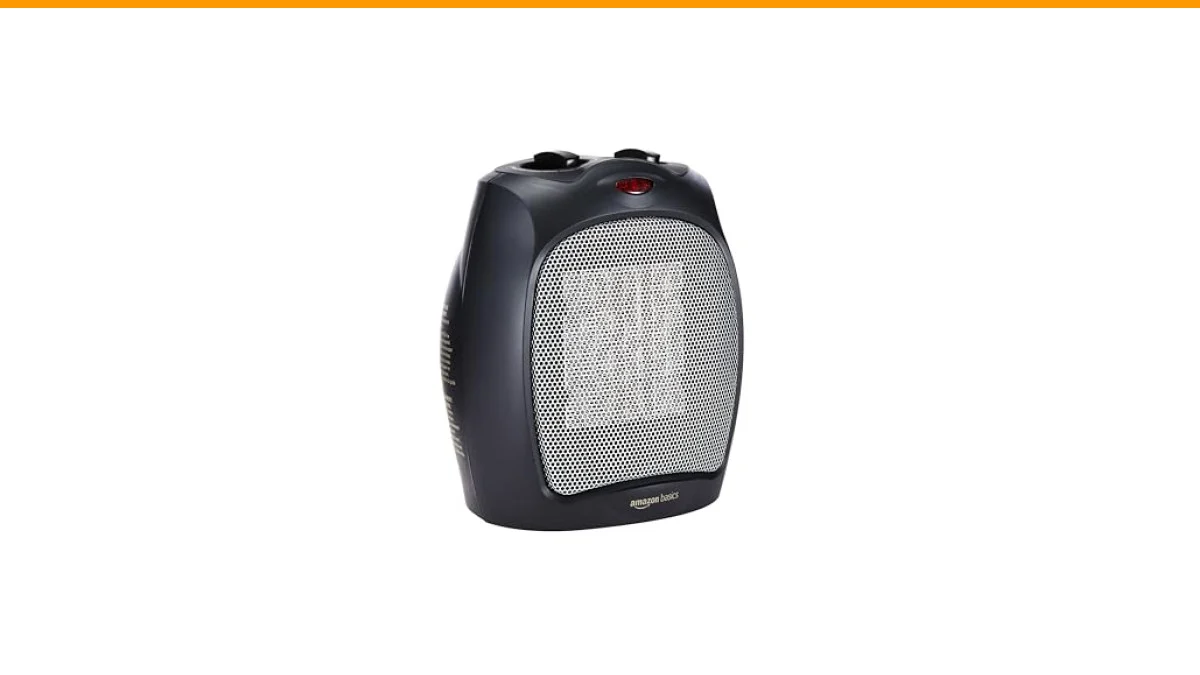
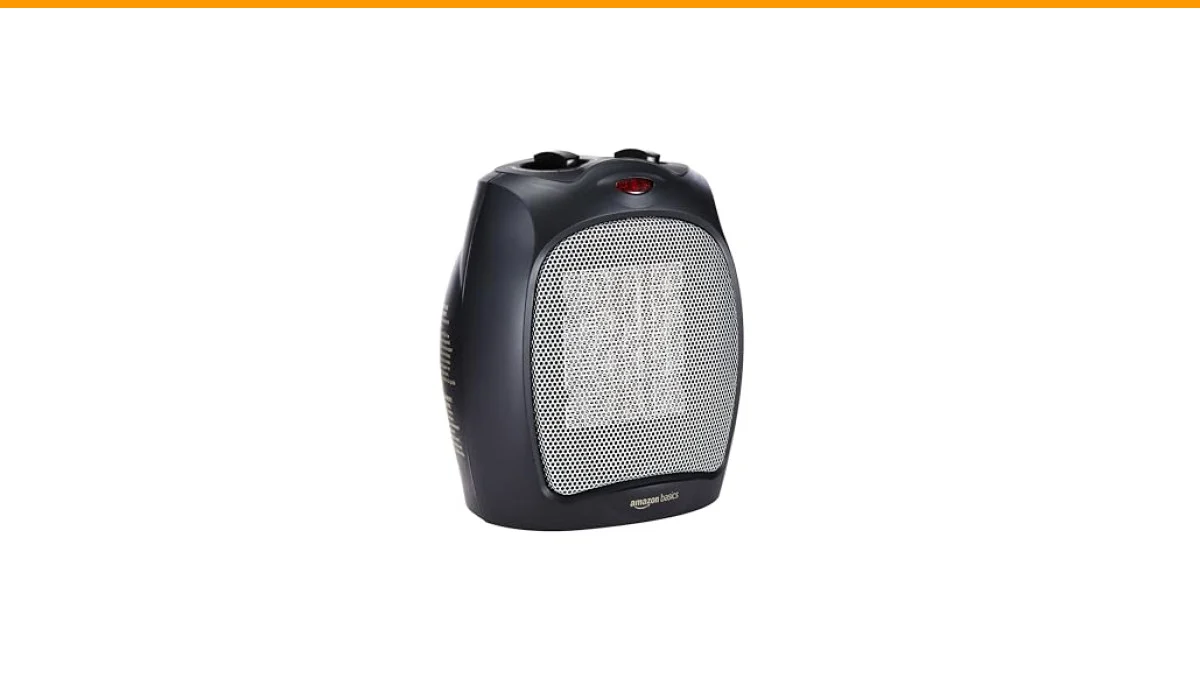
As the chill of winter sets in, many of us turn to ceramic heaters to add warmth to our living spaces. Picture this: you’ve just settled down in your cozy chair, wrapped in a blanket, and you’re aiming to get your room warm and toasty. But then the thought hits you—how close can a ceramic heater be to your curtains? This concern is not only about comfort but also about safety. Knowing the right distance can prevent potential fire hazards and ensure that your home remains a safe haven.
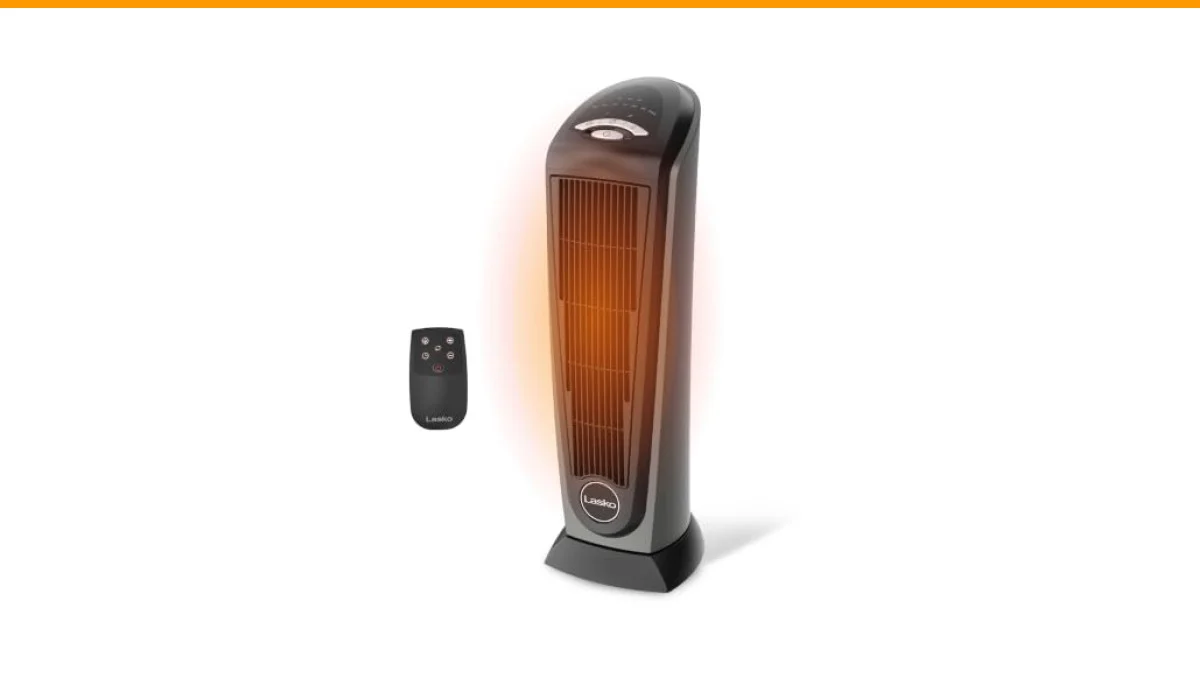
This article will guide you through the safe practices for using ceramic heaters, especially regarding their placement near curtains. You’ll learn the recommended distances, potential risks, and best practices for using ceramic heaters like the Lasko 23″ Ceramic Tower Space Heater, which is a popular choice for many households due to its reliability and safety features.

Lasko
Lasko 23" Ceramic Tower Space Heater with Remote Control - Silver - 751320 | 1500W, Widespread Oscillation, 2 Heat Settings, Portable Tower Heater for Indoor Use and Office, Timer, Overheat Protection
- POWERFUL ELECTRIC SPACE HEATER: Trade the extra layers for real warmth. 1500W of quiet ceramic heat and wide oscillation cover med…
- ETL CERTIFIED: Relax while it runs. A self-regulating ceramic element, overheat protection, and cool-touch housing make this ETL-l…
- CUSTOMIZE YOUR COMFORT: The remote control handles heat settings, oscillation, and a timer—no need to leave the couch or bed. A 7-…
Short Answer
A ceramic heater should be placed at least 3 feet away from curtains and other flammable materials. This distance helps prevent overheating and reduces the risk of fire hazards.
 Thermal curtains finned heater.Watch on YouTube
Understanding Ceramic Heaters
Ceramic heaters are popular for their efficiency and ability to heat spaces quickly. They use ceramic plates to generate heat, which is then circulated through a fan. While they are generally safe, improper placement can lead to dangerous situations. Here’s what you need to know about their operation and safety.
Heat Emission and Safety Features
Ceramic heaters can reach temperatures high enough to ignite flammable materials nearby. Most manufacturers recommend keeping heaters away from curtains and other fabrics. The Lasko 23″ Ceramic Tower Space Heater, for instance, features overheat protection, ensuring that it shuts off if it gets too hot. Such features are crucial for maintaining safety, especially if the heater is used in a room with fabric elements like curtains.
Recommended Distances
So, how close can a ceramic heater be to curtains? The general guideline is to maintain a distance of at least 3 feet (about 1 meter). This distance applies to all types of fabric, including bedding and clothing. It’s always better to err on the side of caution when dealing with heat sources.
Factors Influencing Safe Distances
- Room Size: In smaller rooms, ensure the heater is not too close to any flammable materials, as the heat can accumulate more quickly.
- Heater Type: Different ceramic heaters may have varying heat outputs. Always refer to the manufacturer’s guidelines for specific recommendations.
- Ventilation: Good airflow can help dissipate heat, allowing for slightly closer placement without risk, but it’s still best to keep a safe distance.
Creating a Safe Heating Environment
To maximize safety and comfort while using ceramic heaters, consider the following tips:
- **Use a Timer**: Heaters like the Lasko model have timers, so you can set them to turn off after a certain period.
- **Regular Maintenance**: Clean your ceramic heater regularly to prevent dust buildup, which can also pose fire risks.
- **Avoid Extension Cords**: Use the heater directly plugged into a wall outlet to minimize overheating risks associated with cords.
- **Monitor Usage**: Never leave a ceramic heater running unattended, especially in rooms with flammable materials.
Comparison of Heater Types and Safety Features
| Heater Type | Heat Output | Safety Features | Recommended Distance from Curtains |
|---|---|---|---|
| Ceramic Heater | 1500W | Overheat Protection, Cool-Touch Housing | 3 feet (1 meter) |
| Infrared Heater | Up to 1500W | Tip-Over Safety, Timer | 3 feet (1 meter) |
| Oil-Filled Radiator | Up to 1500W | Overheat Protection | 3 feet (1 meter) |
Frequently Asked Questions
1. Can I place a ceramic heater under a curtain?
No, placing a ceramic heater under a curtain is unsafe. Always maintain at least a 3-foot distance to prevent fire hazards.
2. What happens if a ceramic heater is too close to curtains?
If a ceramic heater is too close to curtains, it can cause the fabric to overheat, potentially igniting a fire.
3. Are there specific types of curtains I should avoid?
Avoid using sheer or lightweight curtains near ceramic heaters, as they may ignite more easily than heavier fabrics.
4. Do all ceramic heaters come with safety features?
Most modern ceramic heaters, like the Lasko model, include safety features such as overheat protection. Always check product specifications.
5. Can I use a ceramic heater in a small room?
Yes, but ensure it is at least 3 feet away from any flammable materials, including curtains, to maintain safety.
Final Thoughts on Safety and Comfort
- Keep ceramic heaters at least 3 feet away from curtains.
- Ensure the heater has safety features like overheat protection.
- Use timers to prevent prolonged use.
- Regularly clean your heater to avoid dust buildup.
- Always plug heaters directly into wall outlets.
- Monitor the heater while in use, especially in rooms with flammable materials.
- Consider the Lasko 23″ Ceramic Tower Heater for its reliable safety features.
Understanding the safe distance for ceramic heaters from curtains is crucial for both comfort and safety. By following these guidelines, you can enjoy the warmth without compromising your home’s safety.