As winter approaches, many people rely on electric heaters to keep their homes warm and cozy. Imagine returning home from a long day, only to find that your living room is a comfortable oasis, thanks to your trusty electric heater. However, with the warmth comes the question of safety. How close can an electric heater be to furniture without posing a fire risk? This article will provide you with essential guidelines, safety tips, and product recommendations to ensure your heating experience is both effective and safe.
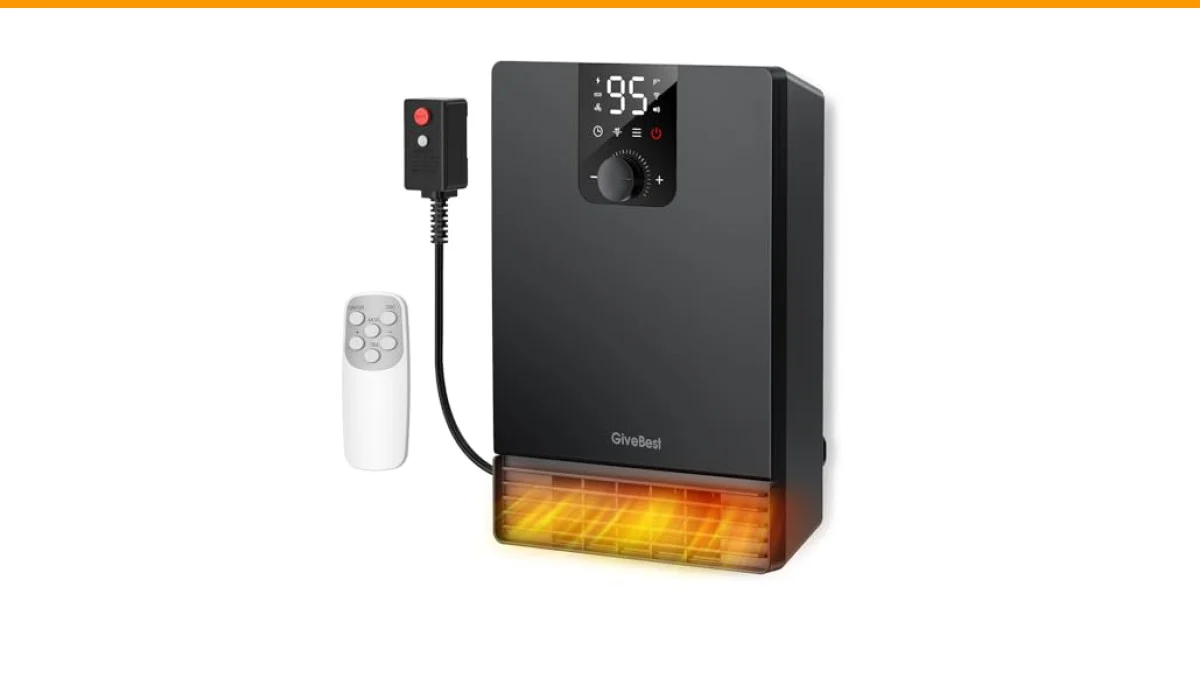
When selecting an electric heater, consider the GiveBest Smart Wall Heater. This model features a powerful 1500W PTC heating system that quickly warms up to 200 square feet. With smart controls and multiple safety features, it’s an excellent choice for various indoor environments. Understanding how close this heater can be placed to furniture is crucial for maximizing its efficiency and minimizing risks.

GiveBest
GiveBest Smart Wall Heater, 1500W Electric Space Heater for Indoor Use | 3 Heating Modes, Adjustable Thermostat, 24H Timer, Fast Heating, Easy Mounted for Bathroom, Bedroom, Office, Home, Black
- Smart and Convenient Control: This wall heater is equipped with 1500W PTC heating innovation, swiftly warms your entire area withi…
- Energy-Efficient ECO Mode: Our heater conserves electricity with precise thermostat control (41°F-95°F), featuring unprecedented 1…
- Multiple Safety Protections: The smart heater is designed with built-in overheat protection and a tip-over shut-off system to prev…
 Keep Your Furniture Away From The Heater!Watch on YouTube
Understanding Clearance Requirements
Okay, but how much space do you actually need between an electric heater and furniture? The National Fire Protection Association (NFPA) recommends maintaining at least three feet of clearance around any heating appliance. This rule helps prevent accidental fires and ensures adequate air circulation for efficient heating.
Different types of electric heaters can have varying clearance requirements:
- Radiant heaters: These heaters emit heat directly and require a minimum of three feet clearance.
- Convection heaters: These models circulate warm air and can be placed closer, typically around one to two feet from furniture.
- Wall-mounted heaters: Designed for safety, these can be installed with minimal clearance but still require at least a foot from any objects.
Maintaining these distances not only ensures safety but also optimizes heating efficiency.
Factors Influencing Clearance Needs
What else should you consider when determining how close an electric heater can be to furniture? Several factors can influence clearance needs:
- Type of heater: As mentioned, different heaters have different requirements. Always check the manufacturer’s guidelines.
- Material of nearby items: Flammable materials, like wood or fabric, should be kept further away than non-flammable items.
- Heat output: The higher the wattage, the more clearance may be necessary. For instance, a 1500W heater will require more space than a lower-wattage model.
- Room size: In smaller rooms, it might be challenging to maintain the recommended distance, so consider alternative heating options like the GiveBest Smart Wall Heater for safer wall-mounted installation.
These factors should guide your placement decisions, especially in homes with children or pets.
Comparative Table of Heater Types and Clearance Requirements
| Heater Type | Minimum Clearance | Notes |
|---|---|---|
| Radiant Heater | 3 feet | Direct heat; high fire risk if too close. |
| Convection Heater | 1-2 feet | Circulates air; lower risk but still needs space. |
| Wall-mounted Heater | 1 foot | Safer option; ideal for tight spaces. |
Common Questions About Electric Heater Placement
Can I put furniture directly against the wall with a heater?
No, it’s not advisable to place furniture directly against a wall-mounted heater. Maintain at least one foot of clearance to prevent overheating and ensure proper airflow.
What materials should I keep away from electric heaters?
Avoid placing flammable materials like curtains, paper, and wood furniture too close to electric heaters. Non-flammable items can be placed closer, but always follow clearance guidelines.
Are there heaters designed for small spaces?
Yes, the GiveBest Smart Wall Heater is specifically designed for small spaces, providing efficient heating without requiring excessive clearance. Its wall-mounted design maximizes floor space.
How often should I check my heater’s clearance?
Regularly inspect the heater’s surroundings, especially if you rearrange furniture or introduce new items into the room. Perform checks every few months or before the heating season starts.
What should I do if my heater feels hot to the touch?
If your heater feels excessively hot, turn it off immediately. Check for proper clearance and inspect for any obstructions that could cause overheating. Consult the user manual for troubleshooting steps.
Final Considerations for Safe Heating
- Maintain at least three feet of clearance around electric heaters.
- Consider the type of heater when determining safe distances.
- Use heaters with built-in safety features, like the GiveBest model.
- Regularly inspect the area around heaters for flammable materials.
- Opt for wall-mounted heaters in smaller spaces to maximize safety and efficiency.
- Always follow manufacturer guidelines for specific clearance requirements.
- Educate family members about heater safety to reduce risks.
Following these guidelines ensures a warm and safe environment throughout the colder months. Keep your home cozy without compromising safety!