Imagine a chilly winter evening where the temperature outside is dropping rapidly. You enter your home, only to find that the air feels just as cold inside. This situation is common during winter months, but understanding how conduction works in heaters can change your home heating experience. You’ll discover how heat transfer occurs, which types of heaters are most effective, and how to optimize your heating solutions for comfort and energy efficiency.
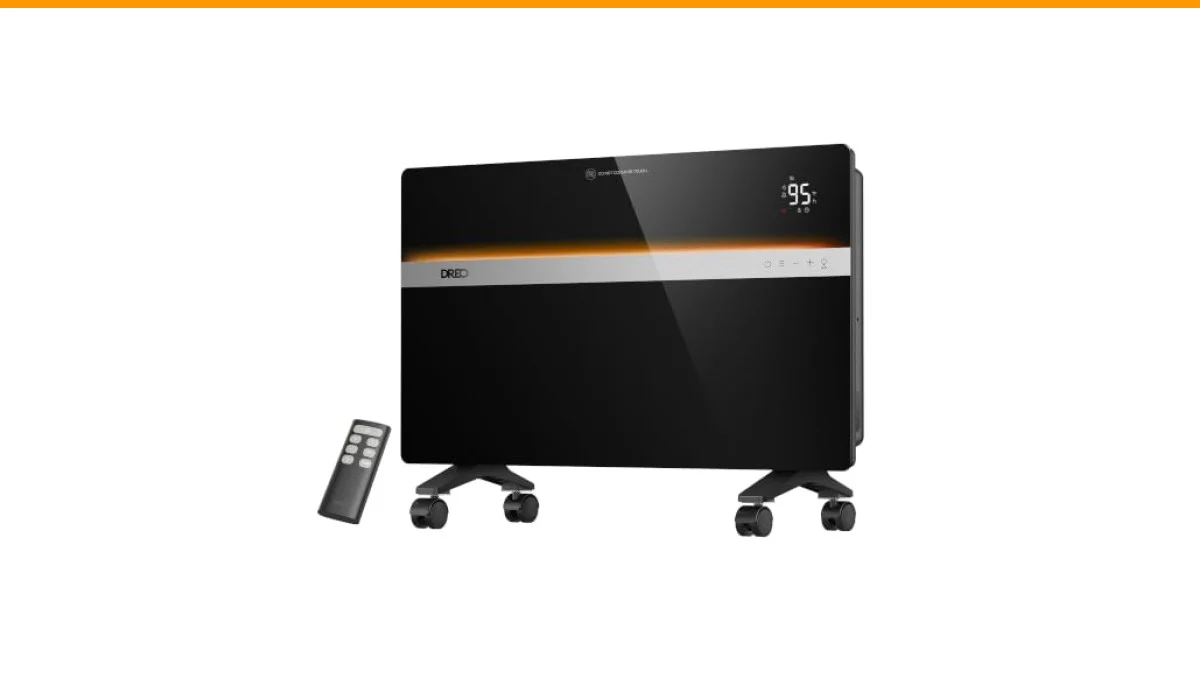
For those seeking an effective heating solution, the DREO Convection Panel Space Heater is worth considering. This heater uses wind-free convection heat, providing balanced warmth without overly drying the air. With features like a 1500W heating element, multiple heat settings, and an eco-friendly mode, it offers a tailored experience for indoor use.

DREO
DREO Convection Panel Space Heater for Large Room 1500W, IP24 Protection | Quiet Wind-Free, Energy Efficient, Remote Control, 24H Timer, Precise Thermostat, Ambient Lighting, Ideal for Bathroom
- Wind-Free Convection Heat: Natural convection gently circulates warm air throughout your space for balanced, comfortable heat with…
- Easy Control, Your Way: Adjust your comfort with ease using the LED touch panel or backlit remote. Choose from multiple heat setti…
- Smart ECO Efficiency: The ECO mode automatically adjusts power output to maintain your preferred room temperature and reduce waste…
Understanding Conduction in Heating
Conduction is one of the three primary methods of heat transfer, along with convection and radiation. It involves the direct transfer of heat through materials, where faster-moving particles transfer energy to slower-moving particles upon contact. In heating systems, this process is crucial. For example, when a heater’s metal surface becomes hot, it transfers heat directly to the air and objects in contact with it.
The effectiveness of conduction depends on several factors, including the material’s thermal conductivity. Metals, like aluminum and copper, are excellent conductors of heat, while materials like wood and plastic are poor conductors (insulators). In heaters, the choice of materials directly influences how quickly and effectively heat is distributed.
Common Misconceptions About Heater Efficiency
Many people believe that a higher wattage means better heating performance. While wattage does indicate how much energy a heater can use, it doesn’t directly correlate with heating efficiency or effectiveness. For instance, a 1500W heater may not heat a room as efficiently as a well-designed 1000W heater that effectively uses conduction and convection.
Another misconception is that all heaters operate the same way. In reality, different types of heaters utilize conduction in various ways. For example, radiant heaters warm objects directly, while convection heaters distribute warm air throughout a room. Understanding these differences helps in selecting the right heater for your space.
How to Optimize Heat Conductivity in Your Space
To improve heat conduction in your home, consider the following tips:
- Use conductive materials: Metal radiators or panels can enhance heat transfer efficiency.
- Seal drafts: Gaps in windows and doors allow cold air to enter and warm air to escape, reducing heat efficiency.
- Layer insulation: Insulating materials can trap heat and improve conduction in walls and ceilings.
- Keep heaters unobstructed: Ensure furniture or curtains do not block heat flow from the heater.
- Maintain heater cleanliness: Dust and debris can affect a heater’s performance, so regular cleaning is essential.
Comparing Heating Methods
| Heating Method | Primary Function | Efficiency | Best For |
|---|---|---|---|
| Conduction | Direct heat transfer through materials | High with conductive materials | Small, enclosed spaces |
| Convection | Heating air that circulates in a room | Varies with design | Whole rooms needing even heat |
| Radiation | Direct heat to objects without heating air first | Moderate, depends on distance | Spot heating, outdoor areas |
What materials conduct heat best in heaters?
Metals like copper and aluminum are the best conductors of heat. They quickly transfer heat from the heating element to the surrounding air. This is why many heaters use aluminum or other metals in their design.
Is higher wattage always better for heating?
No, higher wattage does not guarantee better heating performance. Efficiency depends on the heater’s design and how well it uses conduction and convection to distribute heat in a space.
Can insulation help with heat conduction?
Yes, good insulation reduces heat loss, helping maintain warmth in your space. Insulation materials can slow the conduction of cold air entering the home, allowing the heater to work more efficiently.
How do I maintain my heater for optimal performance?
Keep your heater clean and free of dust. Check for any blockages around the heater and ensure it is unobstructed. Regular maintenance helps prolong the life of the heater and improves its heating efficiency.
What specific features enhance conduction in heaters?
Features like high-quality conductive materials, proper design for heat distribution, and additional insulation around the heating element enhance conduction. For instance, the DREO convection panel heater features an aluminum heating element designed for quick heat transfer.
Final Thoughts on Heating Efficiency
- Understand how conduction works to optimize your heating.
- Choose heaters based on their design, not just wattage.
- Use insulating materials to retain heat.
- Keep heaters clean and unobstructed for best performance.
- Consider modern options like the DREO heater for both style and function.
- Regular maintenance is key to prolonging heater life.
- Invest in energy-efficient models to save on energy costs.



