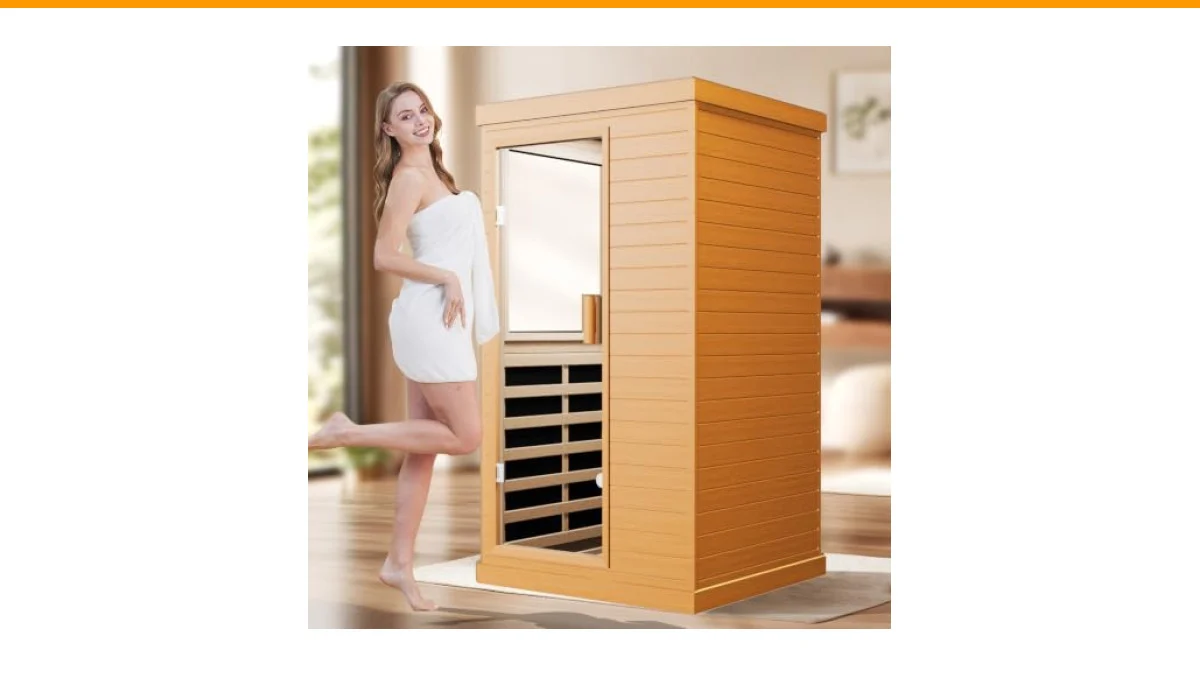
Imagine stepping into your dry sauna after a long day. The warmth envelops you, but something feels off. The air is stale, and you find yourself longing for a breath of fresh air. Proper ventilation can transform that experience. Understanding how to create a gravity fed ventilation circuit in a dry sauna not only enhances comfort but also promotes a healthier environment.
In this article, you will learn the essential steps to establish an effective gravity fed ventilation system. This system relies on natural airflow, allowing fresh air to replace stale air without the need for electric fans or complex machinery. By the end, you’ll have the knowledge to implement this system effectively, ensuring your sauna remains a refreshing retreat.

Vindar
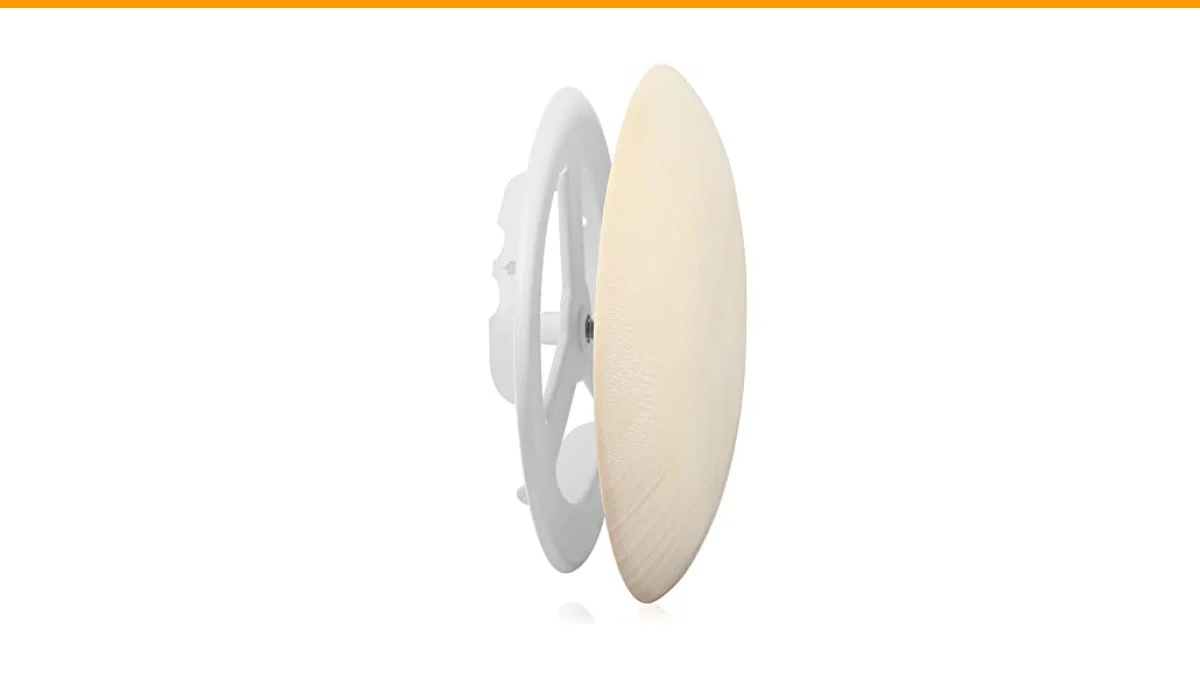
Vindar Sauna Room Air Vent 3.74" Round Aspen Wooden Sauna Adjustable Exhaust Air Ventilation for Barrel Sauna, Sauna Room, Steam Room Exhaust Ventilation
- Upgrade your traditional barrel sauna air vent system with the Vindar adjustable exhaust air ventilation, rotating to change the a…
- Adjustable, more convenience, necessary exhaust and air circulation control tool for sauna room or steam room. It can be also used…
- Inner diameter 3.74 inches opening, outer diameter is 5.12 inches, the wooden diameter is 5.71 inches.
One tool that can significantly aid your ventilation efforts is the Vindar Sauna Room Air Vent. This adjustable exhaust air ventilation system is designed specifically for sauna use, allowing you to control airflow easily. Its elegant aspen wood design not only looks great but also integrates seamlessly into your sauna environment.
Understanding Gravity Fed Ventilation
Gravity fed ventilation relies on the natural tendency of warm air to rise and cool air to sink. In a sauna, as the air heats up, it becomes less dense and rises to the ceiling. This creates a vacuum effect that allows cooler air to enter through lower vents. This principle makes gravity fed systems efficient and straightforward.
When designing a gravity fed ventilation circuit, consider the following key components:
- Intake Vent: Positioned low, this vent allows cooler air to enter the sauna.
- Exhaust Vent: Located high, this vent lets warm, stale air escape.
- Airflow Path: The path between intake and exhaust should be unobstructed to facilitate smooth airflow.
Creating an effective airflow path requires careful planning. The size and placement of your vents will influence the overall performance of the system.
Step-by-Step Guide to Creating a Gravity Fed Ventilation Circuit
Implementing a gravity fed ventilation circuit in your sauna involves several steps. Here’s how to do it:
- Assess the Space: Measure your sauna’s dimensions. The size of the sauna affects the number and size of vents required.
- Choose Vent Locations: Select locations for both the intake and exhaust vents. Ideally, the intake should be at or below bench height, while the exhaust should be near the ceiling.
- Install the Vents: Use the Vindar Sauna Room Air Vent for the exhaust. Ensure the intake vent is also appropriately sized; typically, a 3-4 inch diameter will suffice for most saunas.
- Seal Gaps: Check for any leaks or gaps around the vents. Sealing these prevents unwanted air exchange and improves efficiency.
- Test the System: Heat the sauna and observe airflow. Ensure the intake is allowing fresh air in while the exhaust is effectively removing stale air.
During installation, consider the materials you use. Wood is often preferred in sauna environments due to its ability to withstand heat and moisture. The Vindar adjustable vent, made from high-quality aspen wood, is a perfect option.
Maintaining Your Ventilation System
After setting up your gravity fed ventilation circuit, regular maintenance is crucial for optimal performance. Here are some tips:
- Clean Vents: Periodically remove dust or debris from the vents to maintain airflow.
- Inspect for Damage: Check vents for cracks or warping, especially in high-heat areas.
- Seasonal Adjustments: Depending on usage and season, you may need to adjust the vent positions to optimize airflow.
Keeping your ventilation system in good shape ensures a consistently pleasant sauna experience.
Comparing Ventilation Options
| Ventilation Type | Advantages | Disadvantages |
|---|---|---|
| Gravity Fed | Cost-effective, low maintenance, no electricity needed | Dependent on natural airflow; performance may vary |
| Mechanical Ventilation | Consistent airflow control, adjustable settings | Higher installation and operational costs, requires power |
| Hybrid System | Combines advantages of both; efficient and adjustable | More complex installation, higher cost |
What Size Vents Should I Use for My Sauna?
The size of the vents depends on your sauna’s dimensions. Generally, a 3-4 inch diameter for both intake and exhaust vents is effective for most small to medium saunas. For larger saunas, consider multiple vents to ensure adequate airflow.
How Do I Know If My Ventilation System Is Working?
To check if your system is functioning, monitor the air quality inside the sauna. If you notice a buildup of humidity or stale air, adjustments may be necessary. During use, the air should feel fresh and comfortable.
Can I Use Electric Fans in a Gravity Fed System?
While electric fans can enhance airflow, they typically negate the purpose of a gravity fed system. If you choose to integrate fans, ensure they complement the natural airflow instead of overpowering it.
How Often Should I Clean the Vents?
Cleaning the vents every few months is advisable, especially if your sauna sees frequent use. Dust and debris can impede airflow, making regular maintenance vital.
Is It Possible to Over-Ventilate a Sauna?
Over-ventilation can lead to rapid heat loss and increased heating costs. Aim for a balanced approach, ensuring enough airflow without compromising sauna temperature.
Final Thoughts on Gravity Fed Ventilation
- Gravity fed ventilation relies on natural airflow principles.
- Proper vent placement is crucial for creating effective airflow.
- Regular maintenance keeps the system operating efficiently.
- Consider using high-quality materials like aspen wood for durability.
- Monitor air quality to ensure a pleasant sauna experience.
- Adjust vent positions seasonally for optimal performance.
- Explore different ventilation options to find the best fit for your needs.