Introduction
Imagine coming home on a scorching summer day, only to find your house sweltering and uncomfortable. You wish there was a way to have your home cooled down before you even walk through the door. This scenario highlights the importance of temperature control in our lives, making digital thermostats an indispensable part of modern home comfort.
This article will explain how a digital thermostat works, the technology behind it, and the advantages of upgrading to smart models such as the Amazon Smart Thermostat. By the end, you will have a solid understanding of how these devices operate and the features that can help you save energy and money.

Amazon
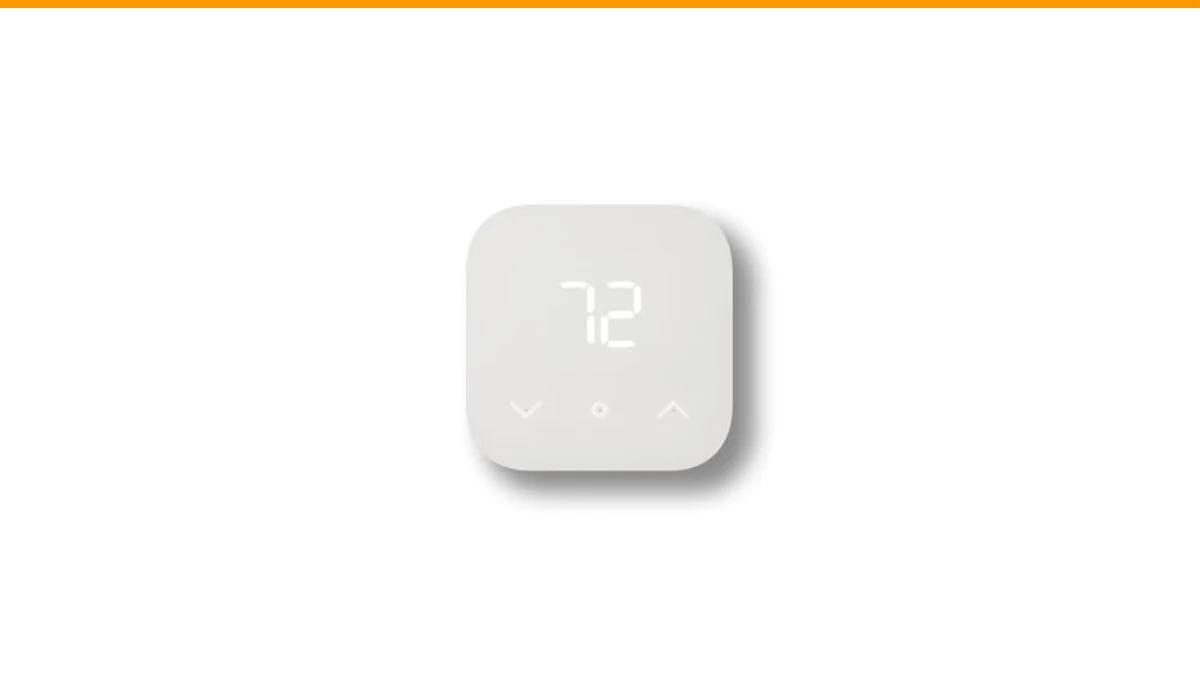
Amazon Smart Thermostat – Save money and energy - Works with Alexa and Ring - C-wire required
- Smart upgrade - Amazon Smart Thermostat is an easy way to switch from a traditional thermostat and help reduce energy usage.
- Create comfort zones throughout your home by using select Echo devices or Amazon Smart Air Quality Monitor to automatically adjust…
- Save money - After purchase, Amazon will send you an email with details about rebates that may be available from energy providers…
The Amazon Smart Thermostat, for instance, seamlessly integrates with Alexa and other smart home devices, allowing you to create comfort zones and adjust temperatures automatically. It’s a practical step towards reducing energy usage, as it provides programmable control and can lead to significant savings on your energy bills.
How Digital Thermostats Operate
A digital thermostat measures the ambient temperature in a room and compares it to the desired temperature set by the user. Here’s a breakdown of how it functions:
- Temperature Sensing: Digital thermostats use sensors to detect the current temperature. Most models employ thermistors, which are resistors that change resistance with temperature variations. This allows for precise readings.
- Control Mechanism: Upon detecting a temperature reading, the thermostat activates the heating or cooling system. This is typically done through relays that control the power supply to the HVAC system.
- User Interface: Users can set their desired temperatures through a digital display. Some models offer touchscreens, while others might use buttons. The interface often includes programmable schedules and settings for energy-saving modes.
- Feedback Loop: As the HVAC system operates, the thermostat continually monitors the room temperature. When the desired temperature is reached, it turns off the system, preventing unnecessary energy consumption.
Types of Digital Thermostats
Digital thermostats can be classified into several types, each offering unique features that cater to different needs:
| Type | Features | Best For |
|---|---|---|
| Basic Digital Thermostats | Simple interface, temperature display, basic programming | Users seeking straightforward temperature control |
| Programmable Thermostats | Allows scheduling of heating/cooling times, customizable settings | Homeowners who want to set specific temperatures for different times |
| Smart Thermostats | Wi-Fi enabled, app control, learning algorithms | Tech-savvy users looking for automation and energy savings |
Advantages of Using Smart Thermostats
Smart thermostats, like the Amazon Smart Thermostat, provide several advantages over traditional models:
- Energy Efficiency: Smart models can adapt to your schedule and preferences, reducing energy waste. According to EPA estimates, ENERGY STAR certified thermostats save an average of $90 annually on energy bills.
- Remote Access: Many smart thermostats allow remote control through smartphone apps, enabling users to adjust settings from anywhere.
- Integration with Smart Home Systems: They often work seamlessly with other smart devices, offering features like temperature adjustments based on presence detection.
- Rebate Opportunities: Many utility companies provide rebates for purchasing energy-efficient models, making them more affordable in the long run.
Frequently Asked Questions
1. How can I tell if my home is compatible with a digital thermostat?
Check if your current thermostat requires a C-wire (common wire) for power. Most digital thermostats need this for optimal function. If your system lacks a C-wire, some smart models can operate without it using battery power.
2. What is the difference between a programmable and a smart thermostat?
Programmable thermostats allow users to set specific schedules, while smart thermostats can learn from user behavior and adjust settings automatically. Smart models often offer remote access and integration with other smart home devices.
3. Will a digital thermostat help me save money on energy bills?
Yes, digital thermostats, especially smart ones, can help you save money by optimizing heating and cooling schedules based on your habits, leading to reduced energy consumption.
4. Can I install a digital thermostat myself?
Many homeowners can install a digital thermostat with basic tools and instructions. However, if you’re unsure about electrical connections, it’s advisable to hire a professional to avoid any potential issues.
5. What maintenance do digital thermostats require?
Digital thermostats typically require minimal maintenance. Regularly check and clean the sensors and display. Ensure the connections are secure and update any software for smart models.
Final Thoughts
- Digital thermostats measure temperature accurately and adjust HVAC systems accordingly.
- Smart thermostats offer energy-saving features and remote access, making them ideal for modern homes.
- Consider the compatibility of your home’s existing system when choosing a thermostat.
- Programmable options allow for customized heating and cooling schedules.
- Regular maintenance can prolong the life of your thermostat.
- Smart thermostats can lead to significant energy bill savings and may qualify for utility rebates.
- The Amazon Smart Thermostat offers a user-friendly interface with Alexa integration for added convenience.



