 How Do Electric Heaters Work?Watch on YouTube
Introduction to Electric Heaters
Imagine a chilly evening at home, wrapped in a blanket but still feeling the cold seep through the walls. Electric heaters can transform that experience, offering immediate warmth with the flip of a switch. As homeowners increasingly seek efficient heating solutions, understanding how electric heaters work becomes essential.
This article will delve into the science behind electric heaters, explore the various types available, and discuss their advantages, disadvantages, and safety features. You’ll also learn how to maximize energy efficiency and reduce operating costs, making your heating experience both comfortable and economical.

DREO
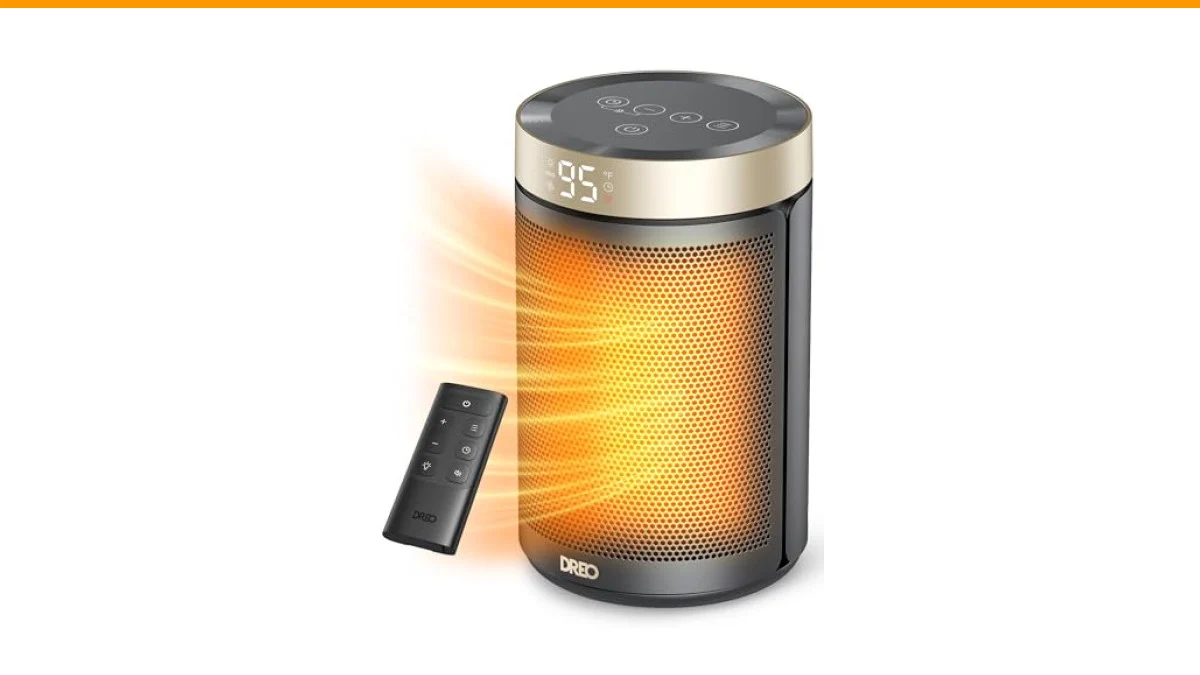
DREO Space Heater, Portable Electric Heaters for Indoor Use with Thermostat | 2026 Upgraded, 34dB Quiet, 12H Timer, 5 Mode, Remote, 1500W PTC Ceramic Fast Safety Heat for Office Bedroom Home, Gold
- Powerful heat that fits everywhere: DREO space heaters for indoor combines Hyperamics 1500W advanced PTC system with a new heat fu…
- Unbreakable safety:DREO goes beyond the unexpected to deliver peace of mind with every room heater. The innovative tilt-detection…
- Ultimate temperature control: The enhanced NTC chipset brings more precision to turn your space heater with thermostat into a smar…
For those looking for a reliable and portable option, consider the DREO Space Heater. It combines advanced PTC heating technology with user-friendly features, ensuring effective warmth in your living spaces.
The Science of Electric Heating
Electric heaters primarily operate through two methods: resistance heating and Joule heating. In resistance heating, electric current flows through a resistive material, generating heat due to the material’s resistance to current flow. Joule heating is a specific form of resistance heating, where the heat produced is proportional to the square of the current multiplied by the resistance (P = I²R).
Electric heaters can be divided into two main categories based on the heat distribution method: convection and radiant heating. Understanding these processes can help you choose the right heater for your needs.
Types of Electric Heaters and Their Mechanisms
Convection Heaters
Convection heaters warm the air in a room. They use a fan or rely on natural circulation to distribute warm air. As the air heats up, it rises, creating a cycle that helps warm the space. Common types include:
- Fan Heaters: Quick to heat, they blow warm air into the room.
- Baseboard Heaters: Installed along the floor, they provide consistent warmth across a room.
Convection heaters are effective for larger areas but can take longer to warm a space compared to radiant heaters.
Radiant Heaters
Radiant heaters emit infrared radiation to heat objects directly in their path rather than warming the air. This method provides immediate warmth and is often used in:
- Infrared Heaters: Ideal for spot heating, they are perfect for personal spaces.
- Quartz Heaters: Known for their efficiency, they provide quick and direct heat.
Radiant heaters are great for focused heating but may not effectively warm larger rooms.
Oil-Filled Heaters
Oil-filled heaters use electricity to heat oil contained within the unit. The oil retains heat for longer periods, allowing for efficient warmth even after the heater is turned off. They are:
- Quiet in operation
- Suitable for extended use
- Good for maintaining consistent warmth
However, they may take longer to heat up initially compared to other types.
Smart Heaters
Smart heaters come equipped with technology that allows for remote control and programming through apps or smart home systems. Features often include:
- Temperature control
- Energy monitoring
- Scheduling options
These heaters not only provide comfort but also help in managing energy consumption effectively.
Advantages and Disadvantages of Electric Heaters
Electric heaters have become increasingly popular, but they come with both benefits and drawbacks.
- Advantages:
- Easy to install and use
- Widely available and affordable
- Require no fuel storage
- Generally safe with proper use
- Disadvantages:
- Higher operating costs in some areas
- Less effective in extremely cold conditions
- Can be a fire hazard if not maintained
Energy Efficiency and Cost Considerations
When it comes to operating costs, electric heaters can vary significantly based on efficiency ratings and local electricity prices. The efficiency of electric heaters is generally high, often exceeding 90%, meaning most of the energy consumed is converted into heat. However, the actual cost of running an electric heater depends on several factors:
- Electricity Rate: Check your local utility rates; some areas may have higher costs.
- Usage Duration: Consider how long you run the heater each day.
- Type of Heater: Some types, like oil-filled heaters, may be more economical in the long run despite higher upfront costs.
To optimize energy efficiency, consider using programmable thermostats and ensuring your home is well-insulated to reduce heat loss.
Safety Features and Guidelines
Safety is paramount when using electric heaters. Many modern heaters come with built-in safety features, including:
- Tip-over protection: Automatically shuts off the heater if it falls.
- Overheat protection: Prevents the heater from exceeding safe temperatures.
- Flame-retardant materials: Reduces fire risk.
Always follow safety guidelines, such as keeping the heater away from flammable materials and ensuring adequate ventilation.
Maintenance Tips for Electric Heaters
Maintaining your electric heater can prolong its lifespan and ensure efficient operation. Here are some practical tips:
- Regularly dust and clean the heater to prevent buildup.
- Inspect the power cord for damage and replace it if necessary.
- Check for any unusual noises or smells during operation.
- Store the heater in a dry place when not in use.
Keeping your heater well-maintained helps avoid safety hazards and improves energy efficiency.
Environmental Impact of Electric Heating
Electric heaters have a complex relationship with environmental sustainability. While they produce no direct emissions, their environmental impact largely depends on how the electricity is generated. If your electricity comes from renewable sources, the carbon footprint is significantly lower compared to coal or gas-derived power. Consider these points:
- Check the source of your electricity and aim for greener options.
- Be aware of the overall energy consumption and invest in energy-efficient models.
- Use heaters judiciously to minimize unnecessary energy use.
Common Myths About Electric Heaters
Several misconceptions surround electric heaters. Let’s clarify a couple:
Myth 1: More Watts Means More Heat
This is not necessarily true. While higher wattage can produce more heat, the efficiency and design of the heater also play critical roles. A well-designed 1000W heater might outperform a poorly designed 1500W model.
Myth 2: Electric Heaters Are Always Expensive to Run
While electric rates can be high, electric heaters can be more economical in smaller spaces or when used intermittently. Proper insulation and usage practices can further enhance their cost-effectiveness.
FAQs
What is the best type of electric heater for home use?
The best type often depends on your space and needs. For large areas, convection heaters work well, while radiant heaters are suitable for smaller, targeted spaces.
How much electricity do electric heaters consume?
Electric heaters typically consume between 750 to 1500 watts per hour, translating to different costs based on your local electricity rates.
Can electric heaters cause fires?
While electric heaters can pose fire risks if misused, modern models come with safety features to mitigate these risks. Always maintain your heater and follow safety precautions.
How do I choose the right size electric heater?
Consider the square footage of your space. A heater’s output is often measured in BTUs; select one that matches your room size for adequate heating.
Are electric heaters environmentally friendly?
The environmental impact of electric heaters depends on the energy source used for electricity. Renewable sources are more sustainable than fossil fuels.
Final Thoughts
- Understand the different types of electric heaters to choose the right one for your needs.
- Consider energy efficiency and operating costs when purchasing a heater.
- Prioritize safety features to prevent accidents.
- Maintain your heater regularly for optimal performance.
- Be mindful of the environmental impact based on your electricity source.
- Educate yourself on common myths to make informed decisions.
- Explore smart heater options for enhanced control and energy management.

