Many homeowners face the challenge of keeping their basements warm during the colder months. Basements often lack sufficient insulation and heating options, leading to discomfort and increased energy bills. Finding an effective way to heat a basement can make the space more usable for activities like workouts, hobbies, or just relaxing with family.
In this article, you will learn how to heat a basement with a space heater, factors to consider, and how to choose the right model for your needs. Additionally, I’ll introduce the DREO Space Heater, a portable electric heater that combines safety features and advanced heating technology, making it an excellent choice for your basement heating needs.

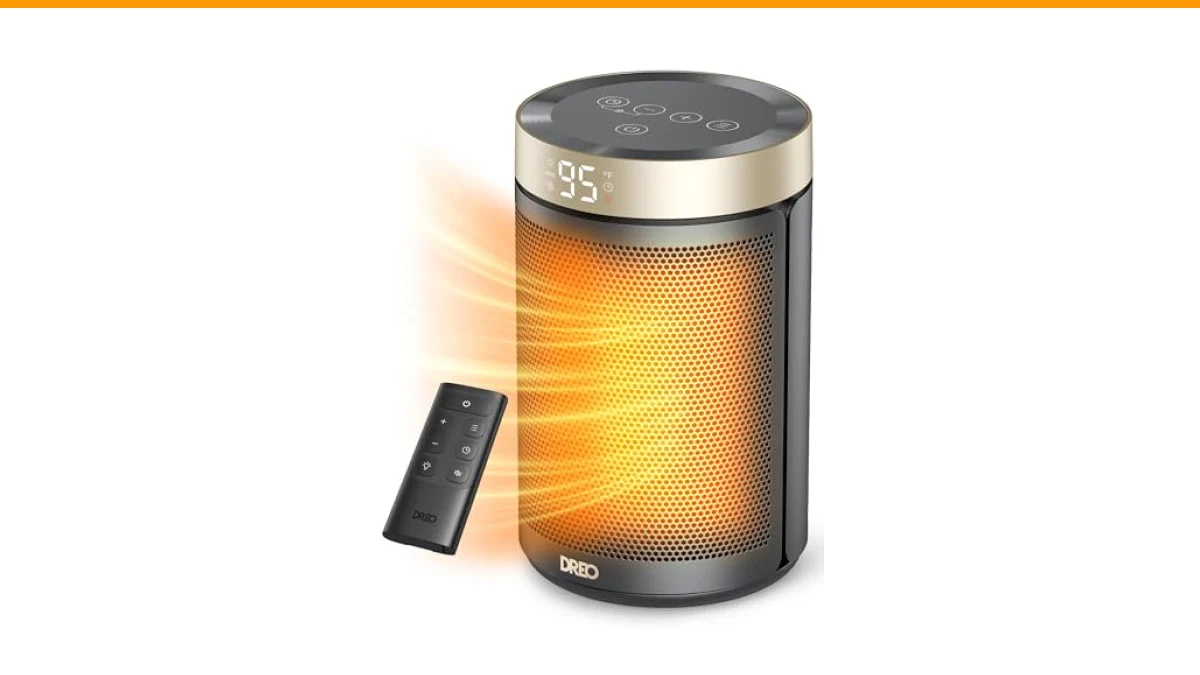
DREO
DREO Space Heater, Portable Electric Heaters for Indoor Use with Thermostat | 2026 Upgraded, 34dB Quiet, 12H Timer, 5 Mode, Remote, 1500W PTC Ceramic Fast Safety Heat for Office Bedroom Home, Gold
- Powerful heat that fits everywhere: DREO space heaters for indoor combines Hyperamics 1500W advanced PTC system with a new heat fu…
- Unbreakable safety:DREO goes beyond the unexpected to deliver peace of mind with every room heater. The innovative tilt-detection…
- Ultimate temperature control: The enhanced NTC chipset brings more precision to turn your space heater with thermostat into a smar…
The DREO Space Heater offers powerful heat with a unique design that enhances warm air circulation. It includes a thermostat for precise temperature control and various heating modes, making it suitable for different preferences and activities.
Choosing the Right Space Heater
When selecting a space heater for your basement, consider the following factors:
- Size of the Basement: Measure the square footage of your basement. A heater’s power output (measured in watts) should match the size of the area you want to heat. Typically, you need about 10 watts per square foot. For example, a 500-square-foot basement would require a heater with at least 5,000 watts.
- Type of Heater: There are various types of space heaters, including convection, radiant, and ceramic. Convection heaters warm the air, making them suitable for larger areas. Radiant heaters provide immediate heat to specific objects or people, perfect for smaller spaces.
- Safety Features: Look for heaters with tip-over protection, overheat protection, and flame-retardant materials. The DREO Space Heater includes these features, ensuring peace of mind while heating your basement.
- Noise Level: Some heaters can be noisy, which may disrupt activities. Choose a heater that operates quietly, especially for use in living spaces.
Steps to Heat Your Basement with a Space Heater
- Evaluate Your Space: Start by measuring your basement and determining its insulation quality. This will help you choose a heater with the right power output.
- Select the Right Heater: Based on your evaluation, select a space heater that fits your needs. Consider the DREO Space Heater for its advanced features and safety measures.
- Position the Heater: Place the heater in a central location away from flammable materials. Ensure it’s on a flat surface and has adequate airflow around it. Avoid placing it in corners or behind furniture.
- Set the Thermostat: Adjust the thermostat to your desired temperature. The DREO Space Heater allows precise temperature settings, which helps in maintaining comfort while saving energy.
- Monitor Usage: Keep an eye on the heater’s performance and the basement temperature. Make adjustments as necessary to ensure consistent heating.
Following these steps will help you effectively heat your basement, making it a more comfortable space during cold weather.
Comparison of Space Heater Types
| Type | Heating Method | Ideal Use | Power Output |
|---|---|---|---|
| Convection Heater | Heats air and circulates warmth | Large spaces | 1500-3000 watts |
| Radiant Heater | Direct heat to objects/people | Small spaces | 500-1500 watts |
| Ceramic Heater | Uses ceramic plates to warm air | Medium spaces | 1500 watts |
| Oil-Filled Heater | Heats oil, radiates warmth | Long-term heating | 1500 watts |
Frequently Asked Questions
1. How safe are space heaters for basements?
Space heaters can be safe for basements if used correctly. Always choose models with safety features like tip-over protection and overheat shut-off. Ensure proper placement and avoid using extension cords.
2. Can I use a space heater in an unfinished basement?
Yes, but ensure the heater has adequate safety features. Unfinished basements may have higher risks due to exposed materials, so position the heater safely away from flammable items.
3. How much does it cost to run a space heater?
The cost depends on the heater’s wattage and your local electricity rates. A typical 1500-watt heater running for 8 hours can cost between $1.20 to $2.00 per day, depending on your electricity rate.
4. Is it more efficient to heat my basement than my entire home?
Heating a basement selectively can be more efficient, especially if you only use it occasionally. It allows you to avoid heating unused areas of your home, reducing overall energy consumption.
5. How can I improve insulation in my basement?
Consider adding insulation to walls and ceilings, using weather stripping on windows and doors, and sealing any gaps or cracks. Improving insulation will enhance the efficiency of your heating solution.
Final Tips for Heating Your Basement
- Measure your basement to choose the correct heater size.
- Opt for a heater with safety features for peace of mind.
- Consider the DREO Space Heater for its advanced heating capabilities.
- Regularly monitor the heater and basement temperature.
- Improve insulation for better heating efficiency.
- Position the heater correctly for optimal performance.
- Follow manufacturer instructions for the best results.



