Understanding Heater Circuits
Imagine it’s a frigid winter morning. You step outside, only to be greeted by a car that won’t start due to a dead battery. The culprit? Your vehicle’s engine block heater, which wasn’t functioning properly. Heater circuits play a crucial role in ensuring our vehicles and home systems work effectively, especially in cold weather.
This article will guide you through the inner workings of heater circuits, their components, and troubleshooting tips. You’ll walk away with a solid understanding of how to maintain and test these circuits, ensuring they operate smoothly when you need them most.

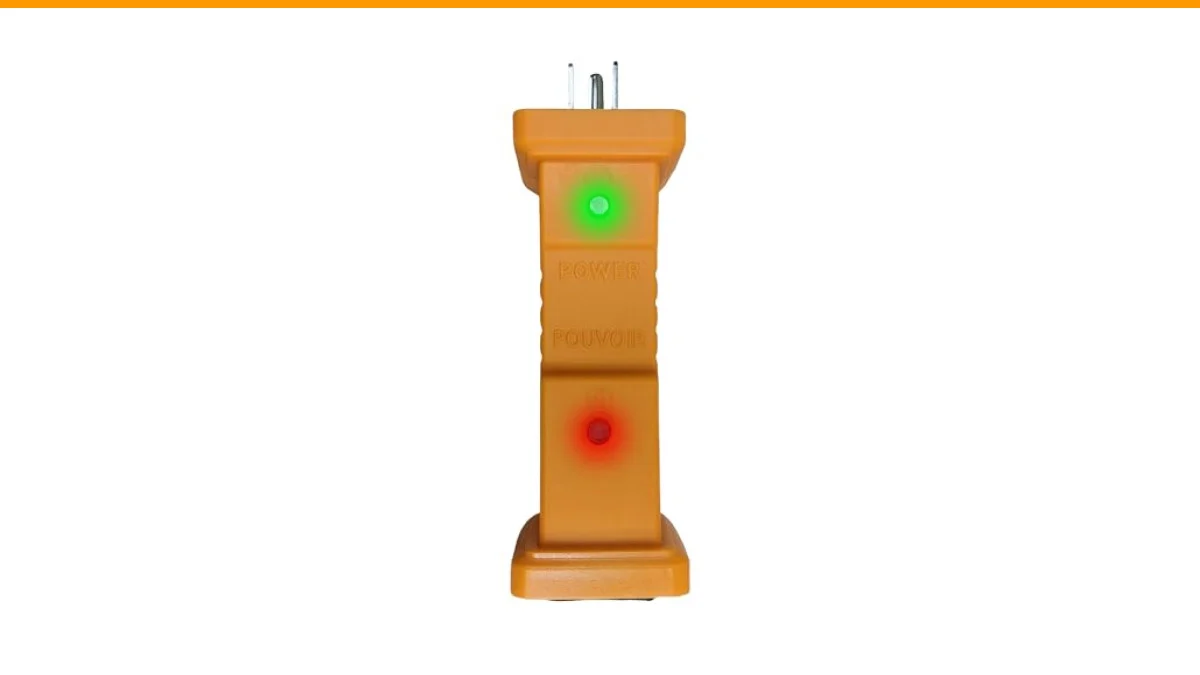
Wexstar
Automatic Block Heater Power Tester, Power Supply Indicator
- Know that your blocker heater or other equipment has failed when you plug it in.
- Works on any electrical load by telling you that critical current is flowing through the circuit.
- Every circuit requires both voltage and current to successfully deliver power, Wexstar lets you quickly determine that you have bo…
For those looking to quickly check if their heater circuit is operational, the Automatic Block Heater Power Tester by Wexstar is an excellent tool. It allows you to confirm that your block heater is functioning by indicating whether voltage and current are flowing through the circuit.
Components of Heater Circuits
Heater circuits are relatively simple but involve several key components. Understanding these parts will help you troubleshoot and maintain them effectively:
- Power Source: This is typically an electrical outlet or battery providing the necessary voltage.
- Heating Element: Often made from materials like nichrome or carbon, this element generates heat when current passes through it.
- Control Switch: This component allows you to turn the heater on or off, controlling the flow of electricity.
- Thermostat: A thermostat regulates temperature by turning the heater on or off based on the surrounding temperature.
- Wiring: Proper wiring ensures efficient power delivery between the components.
- Fuses or Circuit Breakers: These protect the circuit from overcurrent situations, preventing potential hazards.
How Heater Circuits Work
Heater circuits function through a combination of electrical principles. Here’s a step-by-step breakdown:
- Power Supply Activation: When you plug in your heater, the power source activates, supplying voltage to the circuit.
- Current Flow: The control switch allows current to flow through the circuit, reaching the heating element.
- Heat Generation: As current flows through the heating element, it encounters resistance, generating heat. The amount of heat produced depends on the resistance of the element and the current flowing through it.
- Temperature Regulation: If a thermostat is present, it monitors the temperature. When the desired temperature is reached, it interrupts the current flow, turning the heater off. As the temperature drops, the thermostat completes the circuit again, reactivating the heater.
This cycle continues until the heater is unplugged or turned off, maintaining a steady temperature as needed.
Comparing Heater Circuit Types
| Heater Type | Power Source | Typical Uses | Pros | Cons |
|---|---|---|---|---|
| Electric Heater | 120V or 240V outlet | Home heating, portable heaters | Easy to control, rapid heating | Higher energy costs |
| Engine Block Heater | AC outlet | Vehicle engine warmth | Prevents cold starts, reduces wear | Requires external power source |
| Radiant Heater | 120V outlet | Room heating | Silent operation, direct heat | Limited area coverage |
| Induction Heater | Electricity | Cooking, industrial applications | Energy efficient, fast heating | Requires compatible cookware |
What is the purpose of a heater circuit?
A heater circuit’s primary purpose is to generate heat for various applications, including home heating or warming vehicle engines. This ensures optimal performance in cold conditions.
How can I troubleshoot a heater circuit?
Start by checking the power source and ensuring the outlet is functioning. Inspect the wiring for any visible damage and test the control switch. Use a multimeter to measure voltage and current flow in the circuit.
What factors affect heater circuit efficiency?
Several factors impact efficiency, including the type of heating element, ambient temperature, circuit voltage, and insulation quality. Ensuring proper insulation can significantly improve overall efficiency.
How do I know if my heater circuit is working?
Use a circuit tester or the Wexstar Automatic Block Heater Power Tester. A green light indicates voltage is present, while a red light confirms current flow, ensuring that your heater circuit is operational.
Can I repair a faulty heater circuit myself?
Yes, many repairs are possible with basic electrical knowledge. However, if you’re unsure, consult a professional to avoid safety risks.
Final Thoughts on Heater Circuits
- Understand the key components: power source, heating element, and thermostat.
- Regularly inspect your heater circuits for wear and tear.
- Use a tester like the Wexstar to confirm functionality.
- Monitor energy consumption to identify inefficiencies.
- Be cautious when undertaking repairs; safety should always come first.
- Consider insulation improvements to enhance efficiency.
- Familiarize yourself with local electrical codes for any modifications.



