As the temperature drops and winter approaches, many outdoor enthusiasts face a familiar dilemma: how to keep their outdoor barrel sauna warm and inviting. Imagine stepping outside into a cold, crisp evening, only to be greeted by the comforting warmth of a well-insulated sauna. Not only does proper insulation enhance your sauna experience, but it also improves energy efficiency, saving you money on heating costs.
This article will guide you through the essential steps on how to insulate an outdoor barrel sauna for winter use. You’ll learn about various insulation techniques, materials, and products that can help maintain that soothing heat inside your sauna. Whether you’re a seasoned sauna owner or contemplating adding one to your backyard, this guide will ensure you’re well-prepared for the chilly months ahead.

3M
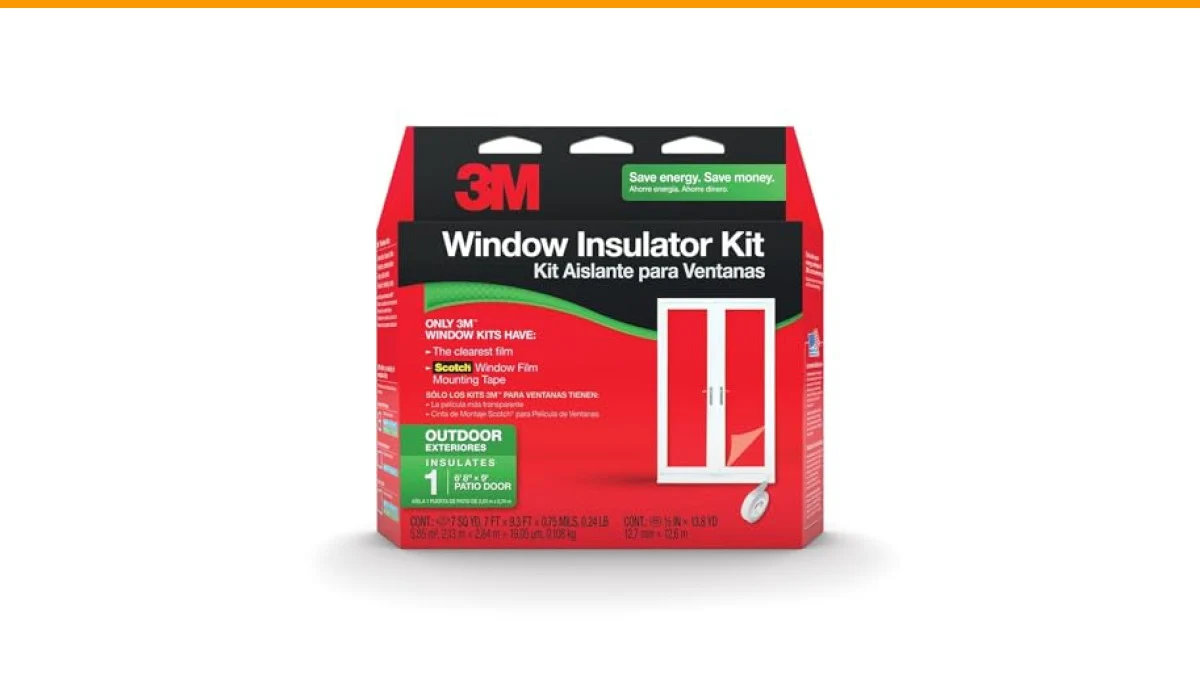
3M Outdoor Patio Door Clear Insulation Kit, Heat or Cold Window Insulation Kit for Large Windows and Sliding Doors, 1-Door Kit, 7 ft. X 9.3 ft.
- Saves energy and reduces heating costs
- Reduces condensation and prevents frost buildup
- Quick and easy installation
One product to consider while insulating your sauna is the 3M Outdoor Patio Door Clear Insulation Kit. This kit is designed to reduce heating costs and condensation while being easy to install. It’s an excellent option for sealing off any drafty areas, making your sauna even cozier during winter.
Understanding Insulation Basics
Before diving into specific methods, it’s crucial to understand the basics of insulation. Insulation works by slowing down the transfer of heat. In simple terms, it keeps the warm air inside the sauna and prevents cold air from getting in. The effectiveness of insulation is measured by its R-value, which indicates how well a material resists heat flow. Higher R-values mean better insulation.
When insulating a barrel sauna, consider both thermal insulation and air sealing. Thermal insulation slows heat loss, while air sealing prevents drafts. The combination of the two is vital for maintaining a comfortable environment.
Common Misconceptions About Sauna Insulation
Many people believe that adding more insulation will always improve heat retention, but that’s not entirely accurate. More insulation doesn’t necessarily mean better results. Here’s why:
- R-value Matters: Not all insulation materials have the same R-value. For example, fiberglass batts might have a lower R-value than spray foam. Using a high-R-value material is more effective than simply adding layers of lower-quality insulation.
- Air Sealing is Key: A well-insulated sauna will still lose heat if there are gaps, cracks, or leaks. Properly sealing these areas is just as important as adding insulation.
- Over-insulating Can Cause Issues: Too much insulation can trap moisture, leading to mold and mildew, which is detrimental to both the sauna structure and your health.
Effective Insulation Techniques for Barrel Saunas
Now that you understand the importance of insulation, let’s explore some effective techniques to insulate your outdoor barrel sauna for winter use:
1. Use High-Quality Insulation Materials
Choosing the right insulation materials is crucial. Here are some popular options:
- Fiberglass Insulation: Affordable and widely available, fiberglass is often used in residential insulation. It has decent R-values but requires proper sealing to prevent moisture issues.
- Spray Foam Insulation: This option provides excellent air sealing and high R-values. It expands to fill gaps, making it one of the best choices for a barrel sauna.
- Reflective Foil Insulation: This type reflects heat back into the sauna, making it efficient for temperature retention. Using it in combination with other materials can boost effectiveness.
2. Seal Gaps and Cracks
Even the best insulation won’t be effective if there are leaks. Inspect your sauna for any gaps or cracks where air might escape. Pay special attention to:
- Joint areas between the barrel sections
- Windows and doors
- Areas around electrical fixtures and vents
Use caulk or weather stripping to seal these areas properly. For larger gaps, consider expanding foam sealants.
3. Insulate the Roof and Floor
The roof and floor are critical areas in terms of heat loss. Insulating these parts can significantly improve your sauna’s warmth. Here’s how:
- Roof Insulation: If your sauna has a solid roof, consider adding insulation boards or spray foam to the underside. This will help retain heat.
- Floor Insulation: Adding insulation under the flooring not only keeps the heat in but also provides a more comfortable experience when stepping inside.
4. Use Thermal Curtains or Window Insulation Kits
If your sauna has windows, consider using thermal curtains or insulation kits. The 3M Outdoor Patio Door Clear Insulation Kit is an excellent choice for this purpose. It helps reduce condensation and prevents frost buildup on windows, ensuring you don’t lose heat through glass surfaces.
| Insulation Method | R-Value | Pros | Cons |
|---|---|---|---|
| Fiberglass Insulation | 2.9 – 4.3 per inch | Cost-effective, easy to install | Requires careful sealing, can absorb moisture |
| Spray Foam Insulation | 5.0 – 7.0 per inch | Excellent air sealing, high R-value | Higher cost, professional installation recommended |
| Reflective Foil Insulation | Varies | Reflects heat, good for radiant heat | Less effective in cold climates alone |
Frequently Asked Questions
How much insulation do I need for my sauna?
The amount of insulation required varies based on your climate, sauna size, and local building codes. Typically, aiming for an R-value between 20 and 30 is a good target for outdoor saunas in colder regions.
Can I insulate my sauna myself?
Yes, many homeowners can handle basic insulation tasks. However, for spray foam insulation or complex sealing, hiring a professional might be wise to ensure proper installation.
What materials should I avoid when insulating?
Avoid materials that trap moisture, such as cellulose insulation. This can lead to mold growth. Also, steer clear of insulation types that have low R-values, as they won’t provide adequate heat retention.
How can I reduce moisture in my sauna?
Good ventilation is essential for reducing moisture. Consider installing a vent or fan to help circulate air. Using moisture-resistant materials in construction will also help.
Is it worth insulating a sauna?
Absolutely. Proper insulation not only enhances comfort but also reduces energy costs. A well-insulated sauna retains heat more efficiently, making it a worthwhile investment.
Final Thoughts
- Understand insulation basics and R-values for optimal effectiveness.
- Choose high-quality materials tailored to your sauna’s needs.
- Seal all gaps and cracks to prevent heat loss.
- Insulate both the roof and floor for maximum warmth.
- Consider thermal curtains or insulation kits for windows.
- Regularly check and maintain insulation to prevent issues.
- Investing in insulation pays off in comfort and energy savings.