Imagine a cold winter night. The wind howls outside while you sit in your living room, cozy and warm. How did you achieve this comfort? If you rely on a kerosene heater, you’re tapping into a reliable heating source that dates back decades. Understanding how kerosene heaters work can help you maximize their benefits while ensuring safety and efficiency in your home.
This article will explain the mechanics behind kerosene heaters, discuss their advantages and disadvantages, and provide comparison insights with other heating methods. You’ll walk away with a solid understanding of how to use these heaters effectively, including specific examples and practical tips.

Dyna-Glo
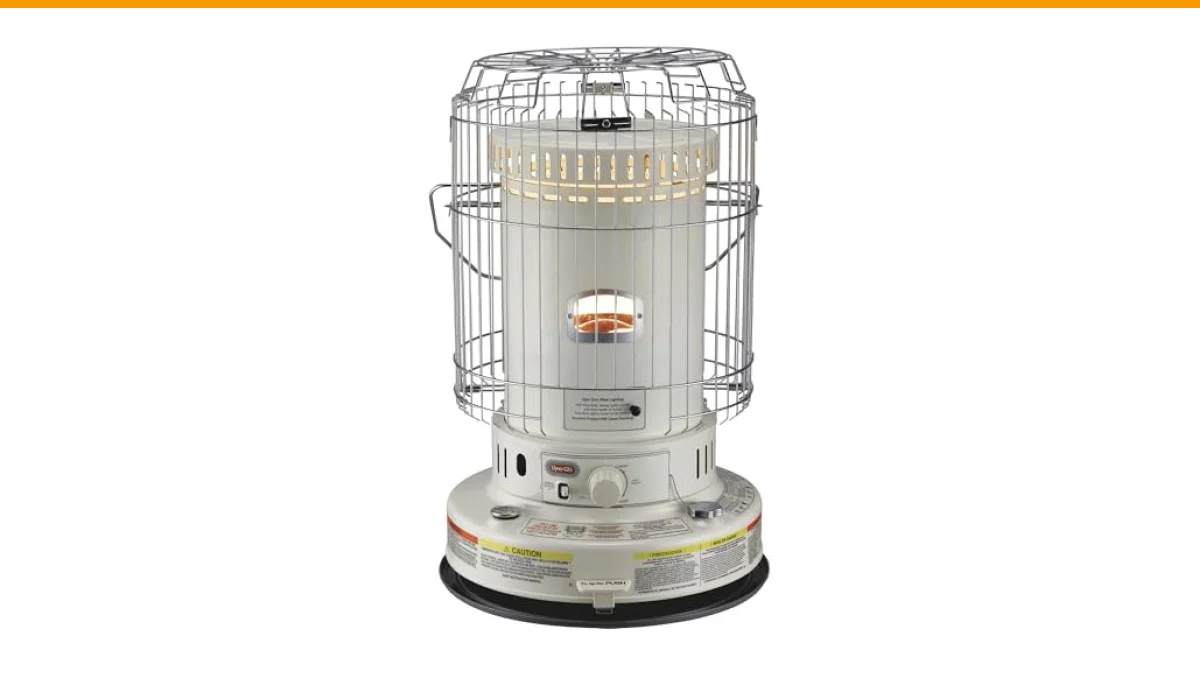
Dyna-Glo Indoor Kerosene Convection Heater - 23,800 BTU, 1,000 Sq. Ft. Heating Capacity, Model Number WK95C8
- 23,000 BTU/hour
- Heats up to 1,000 SQ.FT.
- NO ELECTRICITY NEEDED
For instance, consider the Dyna-Glo Indoor Kerosene Convection Heater. It offers a heating capacity of 23,800 BTUs and can warm spaces up to 1,000 square feet without needing electricity. This can be particularly useful during power outages or in areas where traditional heating systems fall short.
How Kerosene Heaters Function
Kerosene heaters primarily operate on convection heating principles. They burn kerosene fuel to generate heat, which warms the air around the heater. Here’s how it works:
- Fuel Delivery: Kerosene is stored in a tank. When the heater is ignited, fuel is drawn from this tank to a combustion chamber.
- Ignition: A wick or an electric starter ignites the kerosene. Wicks absorb the kerosene, allowing it to vaporize and burn efficiently.
- Heat Distribution: The combustion process heats the metal casing of the heater. The air around the heater warms up and rises, creating a convection current that circulates warm air throughout the room.
Most kerosene heaters can achieve heating efficiencies of around 85-95%, depending on the model and the quality of kerosene used. This efficiency means you can effectively heat a substantial area without excessive fuel consumption.
Advantages of Kerosene Heaters
Kerosene heaters offer several benefits that make them appealing for both emergency and everyday heating:
- No Electricity Required: Kerosene heaters function independently of an electrical power source. This makes them perfect for use during power outages.
- High Heating Capacity: Models like the Dyna-Glo can produce up to 23,800 BTUs, effectively heating spaces up to 1,000 square feet.
- Cost-Effective: Kerosene is generally less expensive compared to electricity or propane, allowing for lower utility bills.
However, it’s important to consider that kerosene heaters do need proper ventilation to prevent the buildup of harmful fumes indoors.
Disadvantages to Consider
Despite their benefits, kerosene heaters come with some drawbacks:
- Ventilation Needs: Ensuring proper airflow is vital to avoid carbon monoxide poisoning. Always operate these heaters in well-ventilated spaces.
- Fuel Storage: Kerosene requires safe storage practices. Improper storage can lead to leaks or spills, posing a fire hazard.
- Odor: Some users report a distinct kerosene smell, which may not be appealing in enclosed areas.
Considering these factors can help you decide whether a kerosene heater fits your needs.
Comparison of Kerosene Heaters and Other Heating Methods
| Heating Method | Heating Capacity (BTUs) | Electricity Requirement | Cost Efficiency | Ventilation Needed |
|---|---|---|---|---|
| Kerosene Heater | Up to 23,800 | No | High | Yes |
| Electric Heater | 1,500 – 5,000 | Yes | Medium | No |
| Propane Heater | Up to 50,000 | No | Medium | Yes |
How safe are kerosene heaters?
Kerosene heaters can be safe if used properly. Always follow manufacturer instructions, ensure adequate ventilation, and keep flammable materials away from the heater.
Can kerosene heaters be used indoors?
Yes, many kerosene heaters are designed for indoor use, but they require proper ventilation to ensure safety and reduce the risk of carbon monoxide buildup.
How often do I need to refill my kerosene heater?
Refill frequency depends on usage. On average, a typical kerosene heater can run for 8-12 hours on a full tank, depending on the model and heat setting.
Is kerosene expensive compared to other fuels?
Kerosene tends to be less expensive than electricity or propane, making it a cost-effective option for heating, especially in larger spaces.
What maintenance do kerosene heaters require?
Regular maintenance includes cleaning the wick, checking for fuel leaks, and ensuring proper ventilation. Keeping the heater clean will help maintain its efficiency.
Final Thoughts on Kerosene Heaters
- Kerosene heaters provide high heating capacity without needing electricity.
- Proper ventilation is crucial for safe operation.
- Consider storage and handling of kerosene to avoid hazards.
- Evaluate your heating needs to determine if a kerosene heater fits your situation.
- Regular maintenance ensures longevity and efficiency of the heater.
With a solid understanding of how kerosene heaters work and their practical applications, you can make informed decisions about heating your space effectively and safely.



