Introduction
Imagine a cozy evening, the soft glow of an oil lamp illuminating your living room. The flickering light creates a warm atmosphere, perfect for relaxation or reading. But have you ever wondered how that light is produced? The answer lies in the kerosene wick. Understanding how a kerosene wick works not only enhances your appreciation for this traditional lighting method but also helps you maintain and use your oil lamps more effectively.
In this article, you’ll learn about the basic principles behind kerosene wicks, the materials used, and practical tips for their maintenance and replacement. By the end, you’ll have a comprehensive understanding of how to ensure your kerosene lamp functions optimally.

Pengxiaomei
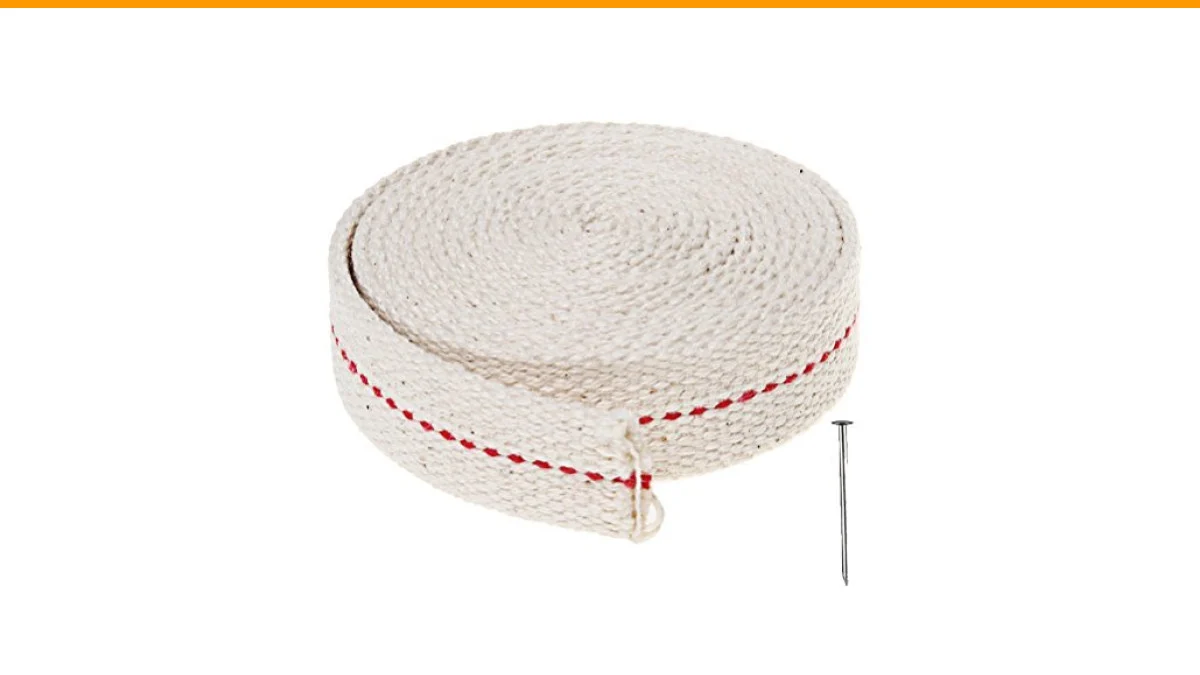
2 Rolls Cotton Oil Lamp Wick, 3/4 Inch X 6 Ft | Flat Cotton Wick, Cut To Size, Fits Oil Lamps And Lanterns, For Kerosene Or Paraffin Use
- Great Material: High quality flat cotton
- Size: 3/4 inch (width); 12 foot / 2 rolls (length)
- Easy to use: 2 roll cotton oil wicks, you can cut it to any length as you wish
For those looking to replace or maintain their kerosene lamps, consider the 2 Rolls Cotton Oil Lamp Wick, 3/4 Inch X 6 Ft by Pengxiaomei. Made from high-quality cotton, this wick is ideal for flat wick oil lamps and lanterns, providing a reliable and efficient burning experience.
How a Kerosene Wick Functions
A kerosene wick serves as the primary medium for transporting fuel from the lamp’s reservoir to the combustion area, where it burns to produce light. The process can be broken down into several fundamental components:
- Capillary Action: The wick draws kerosene up from the reservoir through small pores in the material. This phenomenon is known as capillary action, where liquid moves against gravity due to adhesive forces between the liquid and the wick material.
- Combustion: Once the kerosene reaches the exposed end of the wick, it evaporates and mixes with air. This vaporized kerosene is what burns, producing the flame.
- Wick Material: The material of the wick plays a crucial role in its efficiency. Cotton is a common choice due to its excellent absorbency and ability to retain fuel.
Choosing the Right Wick
When selecting a wick, consider the following factors:
- Width: Wicks come in various widths. A 3/4 inch wick, like the one from Pengxiaomei, is versatile and suitable for many lamps.
- Length: Ensure the wick is long enough to reach the bottom of your lamp’s fuel reservoir. The 12 feet total length allows for multiple uses.
- Material: As mentioned, cotton is the most common material, but some wicks are made from synthetic fibers. Cotton wicks generally provide better performance.
Comparing Kerosene Wick Options
| Wick Type | Material | Width | Length | Best Use |
|---|---|---|---|---|
| Flat Cotton Wick | Cotton | 3/4 inch | 6 ft (2 rolls) | Oil lamps, lanterns |
| Round Wick | Polyester | 1/2 inch | 5 ft | Portable lanterns |
| Flat Synthetic Wick | Synthetic fiber | 1 inch | 10 ft | Heavy-duty lamps |
Common Questions About Kerosene Wicks
1. How do I know when to replace my wick?
Replace the wick when it becomes frayed, discolored, or if the lamp has trouble maintaining a steady flame. Regular maintenance ensures optimal performance.
2. Can I use a kerosene wick with different fuels?
Each fuel type requires a specific wick. If you switch fuels, it’s best to install a new wick to prevent issues such as poor combustion or excessive soot.
3. How do I trim a kerosene wick?
To trim a wick, use scissors to cut it to the desired length, ensuring it’s even. A well-trimmed wick promotes a cleaner burn and better light output.
4. Why is my kerosene lamp producing smoke?
Smoke often indicates that the wick is too high, the fuel is contaminated, or the wick is too old. Adjust the wick height or replace it if necessary.
5. Are there different types of kerosene wicks?
Yes, wicks come in various types, including flat and round, each designed for specific lamp types and fuel applications. Choose one that fits your lamp’s requirements.
Takeaways for Effective Kerosene Wick Use
- Understand the function of capillary action in wick operation.
- Regularly inspect and replace wicks that show signs of wear.
- Choose the right width and material for your specific lamp.
- Trim wicks for optimal performance and minimal smoke.
- Refer to manufacturer guidelines for fuel and wick compatibility.
- Store extra wicks in a dry place to prolong their lifespan.
- Keep your lamp clean to ensure a steady and bright flame.



