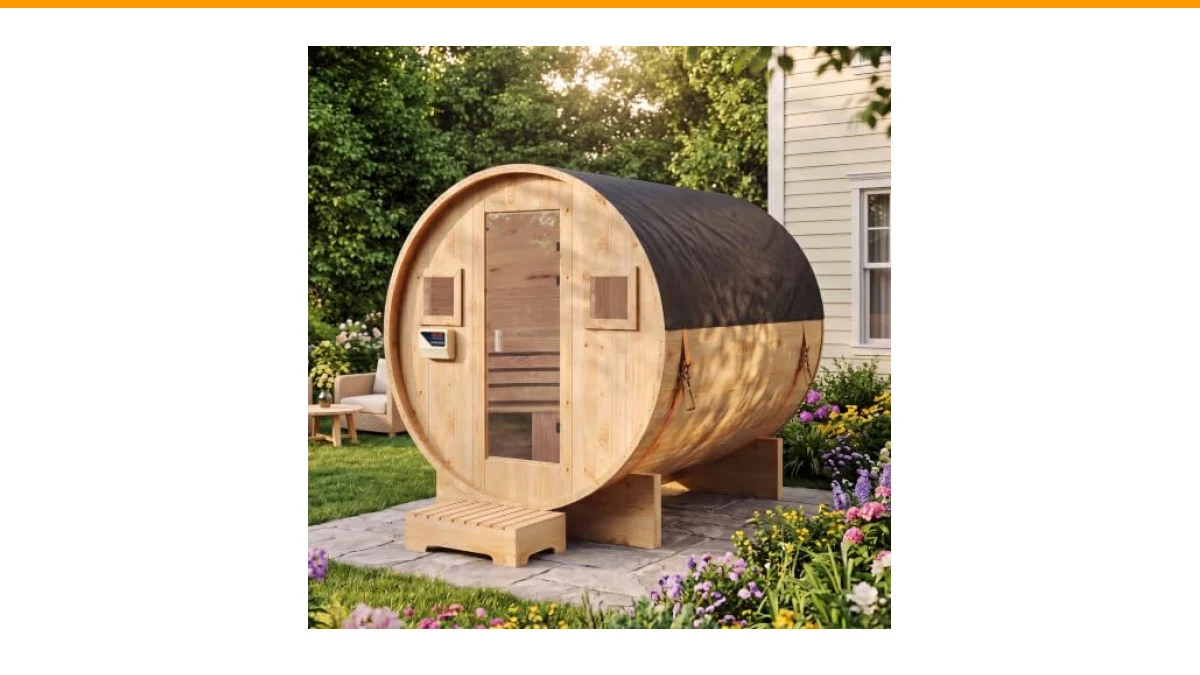
Imagine returning home after a long day, craving the soothing warmth of your sauna. You switch it on, but how long will you wait before stepping in? Understanding the time it takes for a home sauna to reach its desired temperature can enhance your experience and ensure you’re getting the most from your investment. In this article, we’ll break down the factors affecting sauna heating times and share actionable tips to optimize your setup.
For those considering a sauna, the GoldenWave Far-Infrared Sauna Heater is a noteworthy option. This compact unit uses advanced graphene technology to warm up quickly, making it easier than ever to enjoy a relaxing sauna session without long waits.
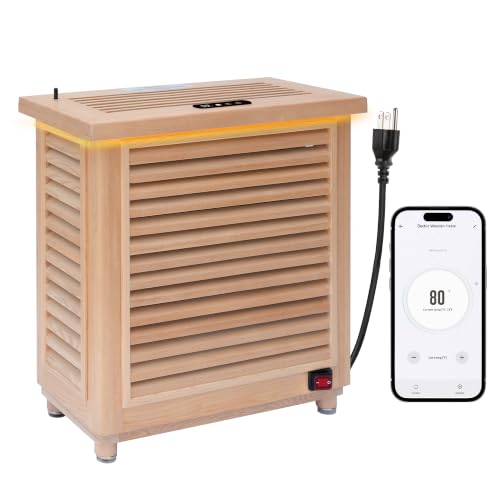
GoldenWave
GoldenWave Far-Infrared Sauna Heater with Plug 110V 1500W for Compact Sauna | Portable, Low-energy, Touch+WIFI, Stone-Free, Adjustable Max 158 °F & Timer, for Home DIY Sauna,Sauna Tent (35-105 cu.ft)
- 【𝐀𝐝𝐯𝐚𝐧𝐜𝐞𝐝 𝐆𝐫𝐚𝐩𝐡𝐞𝐧𝐞 𝐇𝐞𝐚𝐭𝐢𝐧𝐠 – 𝐅𝐚𝐬𝐭𝐞𝐫 & 𝐌𝐨𝐫𝐞 𝐄𝐟𝐟𝐢𝐜𝐢𝐞𝐧𝐭】 –Unlike traditional sauna heaters that rely on bulky stones and slow heat-up…
- 【𝐒𝐚𝐟𝐞 𝐂𝐨𝐨𝐥‑𝐓𝐨𝐮𝐜𝐡 𝐇𝐞𝐦𝐥𝐨𝐜𝐤 𝐄𝐧𝐜𝐥𝐨𝐬𝐮𝐫𝐞 】– Made from natural Canadian Hemlock wood, the outer shell remains cool to the touch even at p…
- 【𝐏𝐥𝐮𝐠‑𝐚𝐧𝐝‑𝐏𝐥𝐚𝐲 𝐈𝐧𝐬𝐭𝐚𝐥𝐥𝐚𝐭𝐢𝐨𝐧】-Designed for convenience with no specialized electrical work required. This 1500W unit operates on a…

 How Long Does a Sauna Take to Heat Up? ⏱️ Electric vs Wood vs Infrared 🔥Watch on YouTube
Factors Influencing Sauna Heating Time
Several factors determine how long a sauna takes to heat up:
- Type of Sauna: Traditional saunas (wood-burning or electric) generally take longer to heat up than infrared saunas. The heating element and sauna design play crucial roles.
- Size of the Sauna: Larger saunas require more time to heat. A one-person sauna will heat faster than a four-person unit.
- Insulation Quality: Well-insulated saunas retain heat better, reducing heating time. Poor insulation can lead to longer waits and increased energy costs.
- Initial Temperature: The starting temperature of the sauna impacts heating time. If your sauna is in a cold garage, it will take longer to reach the desired level compared to a sauna in a warm room.
Average Heating Times by Sauna Type
Here’s a breakdown of average heating times for different sauna types:
| Sauna Type | Average Heating Time | Temperature Range |
|---|---|---|
| Traditional Sauna | 30-45 minutes | 150-195°F |
| Infrared Sauna | 10-20 minutes | 120-150°F |
| Steam Sauna | 20-30 minutes | 100-120°F |
Optimizing Your Sauna Experience
Here are some practical tips to improve your sauna heating efficiency:
- Insulate Properly: Ensure your sauna is well-insulated. Use quality materials to keep heat from escaping.
- Preheat: If you know you’ll want to use the sauna, preheat it about 20 minutes beforehand.
- Use a Quality Heater: Invest in a high-quality sauna heater. For example, the GoldenWave Far-Infrared Sauna Heater heats quickly and efficiently.
- Close Doors and Windows: Make sure doors and windows are securely closed to prevent heat loss.
Common Mistakes to Avoid
Even experienced sauna users can make mistakes that affect heating times. Here are three common pitfalls:
- Not Preheating: Many people forget to preheat their sauna, leading to longer wait times when they’re eager to relax.
- Ignoring Maintenance: Regularly clean and maintain your sauna heater. A dirty or malfunctioning heater can take longer to reach temperature.
- Overcrowding: Too many people in a sauna can result in longer heating times. Stick to the recommended capacity for optimal heating.
How long does it take for a home sauna to reach temperature?
The time it takes for a home sauna to reach temperature varies by type. Traditional saunas take about 30 to 45 minutes, while infrared saunas can heat up in 10 to 20 minutes.
What factors affect sauna heating time?
Key factors include sauna type, size, insulation quality, and initial temperature. Larger or poorly insulated saunas will take longer to heat.
Can I reduce my sauna’s heating time?
You can reduce heating time by ensuring proper insulation, using a high-quality heater, and preheating the sauna before use.
Is infrared heating better than traditional heating?
Infrared heating typically heats faster and operates at lower temperatures than traditional saunas. This can make it more comfortable for some users.
How often should I maintain my sauna heater?
Regular maintenance is crucial. Inspect and clean your sauna heater every few months to ensure optimal performance and heating times.
Final Thoughts
- Sauna heating times vary significantly based on type and size.
- Infrared saunas heat up faster than traditional options.
- Investing in quality equipment can greatly enhance your sauna experience.
- Preheating and proper maintenance are key to reducing wait times.
- Keep your sauna clean and well-insulated for maximum efficiency.
- Monitor the number of users to ensure effective heating.
- Regularly check your sauna heater for any issues.
Understanding how long it takes for a home sauna to reach temperature can help you enjoy your sessions more fully. With the right setup and practices, you can ensure a warm, inviting environment awaits you every time.