Imagine the refreshing feeling of stepping into a cold plunge tub on a hot summer day. You lower yourself into the icy water, feeling invigorated and rejuvenated. But wait—what lurks beneath the surface? Maintaining water cleanliness in an outdoor cold plunge tub isn’t just about aesthetics; it’s crucial for your health and overall experience. This article will guide you through the essential steps to ensure your plunge tub remains clean and inviting.
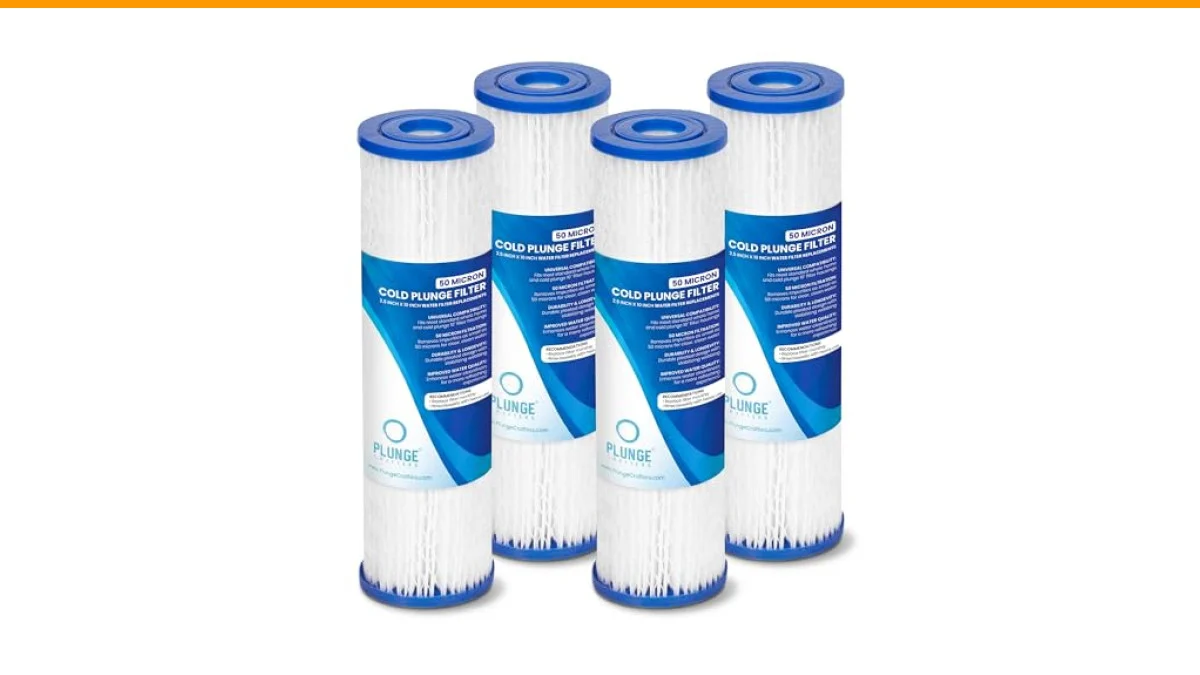
As you navigate through this guide, you’ll learn about filtration systems, water treatments, and regular maintenance routines. You’ll also discover practical products that can help simplify the process, like the 50 Micron Sediment Filter Cartridges for Cold Plunge Bath. This product effectively captures particles and sediment, ensuring you enjoy clean, clear water during your cold therapy sessions.

Plunge Crafters
50 Micron Sediment Filter Cartridges for Cold Plunge Bath, 10x2.5" 4 Pack | Pleated Polyester Media, Washable & Reusable, Fits Ice Bath, Under-Sink & Whole House, Tool-Free Install
- Universal 10” Compatibility: Fits all standard 2.5” x 10” filter housings; works as a cold plunge filter, ice bath water filter, u…
- Effective 50 Micron Filtration: Captures sand, rust, silt, and sediment down to 50 microns; ensures cleaner water for cold plunge…
- Designed for Cold Plunge & Ice Baths: Built to maintain clean, clear water in cold plunge tubs and ice bath filters; reduces build…
 How to Maintain Clean Water in Your Cold Plunge (Easy to Do)Watch on YouTube
Understanding Water Cleanliness: Why It Matters
Water cleanliness is vital for several reasons. Firstly, contaminated water can harbor bacteria, algae, and other harmful microorganisms. These can lead to skin infections or respiratory issues when inhaled. Secondly, dirty water can diminish your overall cold therapy experience. A clear, clean plunge tub enhances relaxation and refreshment, making your recovery routine much more enjoyable.
Common misconceptions about water cleanliness often lead to neglect. Many believe that cold temperatures alone keep water clean. However, while colder temperatures can inhibit bacterial growth, they don’t eliminate the need for proper maintenance. Regularly treating and filtering your water is essential.
Filtration Systems: The Backbone of Clean Water
A good filtration system is key to maintaining water cleanliness in an outdoor cold plunge tub. These systems remove impurities and help keep the water clear. Here are the primary filtration options:
- Cartridge Filters: These are easy to install and maintain. They capture sediments and larger particles. The 50 Micron Sediment Filter Cartridges are a great example, designed specifically for cold plunge tubs.
- Sand Filters: These use sand to trap particles. They are effective but can require more maintenance than cartridge filters.
- DE Filters (Diatomaceous Earth): These provide the finest filtration, capturing very small particles. They can be more complicated to maintain but yield crystal-clear water.
For most outdoor plunge tubs, cartridge filters are ideal due to their ease of use. Ensure your filtration system is appropriately sized for your tub. An undersized filter won’t effectively keep the water clean, leading to quicker buildup of debris and contaminants.
Regular Maintenance Routines
Adopting a regular maintenance routine helps ensure your cold plunge tub remains in pristine condition. Here’s a simple checklist to follow:
- Check Water Levels: Maintain the water level to ensure proper filtration. Low water levels can lead to filter damage.
- Clean the Filter: Depending on usage, clean or replace the filter cartridges every 2-4 weeks. If you’re using the 50 Micron Sediment Filter Cartridges, remember they can be replaced tool-free and in just a few minutes.
- Shock Treatments: Use a chlorine or bromine shock treatment regularly to kill bacteria. This can be done every 1-2 weeks, depending on usage.
- Monitor Water Chemistry: Test the pH and alkalinity weekly. Ideal pH levels should be between 7.2 and 7.8.
- Remove Debris: Regularly skim the surface for leaves and other debris. A simple skimmer can make this task easy.
Each of these steps contributes significantly to maintaining water cleanliness and enhances your overall experience.
Common Misconceptions About Cold Plunge Water Maintenance
Many people underestimate the importance of regular water treatment. Some believe that simply adding chemicals occasionally is enough. This couldn’t be further from the truth. Regular testing and treatment, along with consistent filtration, are essential for keeping your water clean.
Another misconception is that cold water doesn’t need as much attention as hot water. While it’s true that colder temperatures can slow bacterial growth, they do not eliminate it. Cold plunge tubs can develop algae and other contaminants if not properly maintained.
Comparing Maintenance Methods
| Method | Effectiveness | Ease of Use | Frequency |
|---|---|---|---|
| Cartridge Filter | Good | Very Easy | Every 2-4 weeks |
| Sand Filter | Very Good | Moderate | Every 4-6 weeks |
| DE Filter | Excellent | Challenging | Every 4-6 weeks |
| Shock Treatment | Essential | Easy | Every 1-2 weeks |
Each method has its pros and cons. For most users, a cartridge filter combined with regular shock treatments provides a balanced approach to maintaining cleanliness.
How often should I change the water in my cold plunge tub?
Typically, you should change the water every 1-2 months, depending on usage. Frequent users may need to change it more often due to increased contaminants.
Can I use regular pool chemicals in my cold plunge tub?
While some pool chemicals can be used, choose products specifically designed for plunge tubs. These often have lower concentrations of chlorine or bromine, which are more suitable for colder water and sensitive skin.
What is the optimal temperature for a cold plunge tub?
The optimal temperature ranges between 50-60°F (10-15°C). Maintaining this range helps invigorate the body without causing discomfort.
How do I prevent algae growth?
Prevent algae by keeping your water balanced (pH and alkalinity) and using regular shock treatments. Also, ensure your filtration system is functioning correctly.
Is a cover necessary for my cold plunge tub?
Using a cover when the tub is not in use can help keep debris out and minimize evaporation. It also helps maintain the water temperature.
Final Thoughts on Water Cleanliness
- Regularly test and treat your water for optimal cleanliness.
- Use a reliable filtration system like cartridge filters for ease.
- Maintain a routine schedule for cleaning and replacing filters.
- Consider using the 50 Micron Sediment Filter Cartridges for superior filtration.
- Understand the importance of chemical balance to prevent unwanted growth.
- Keep your plunge tub covered when not in use to enhance cleanliness.
- Stay informed about best practices for outdoor water maintenance.