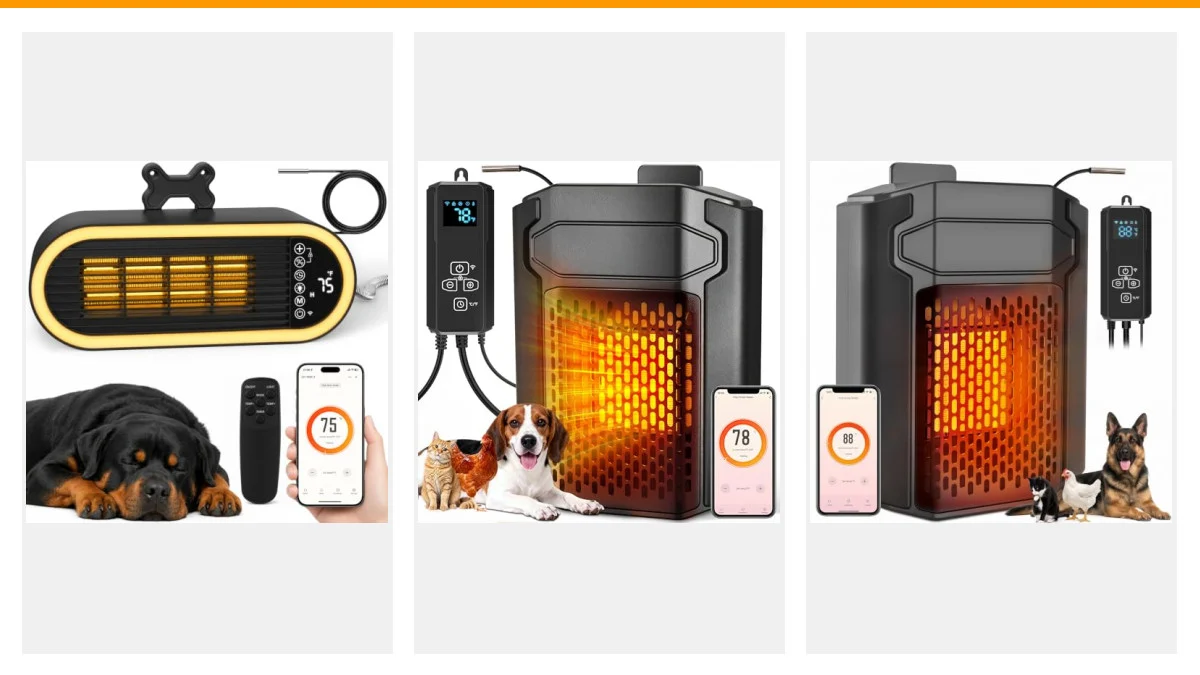
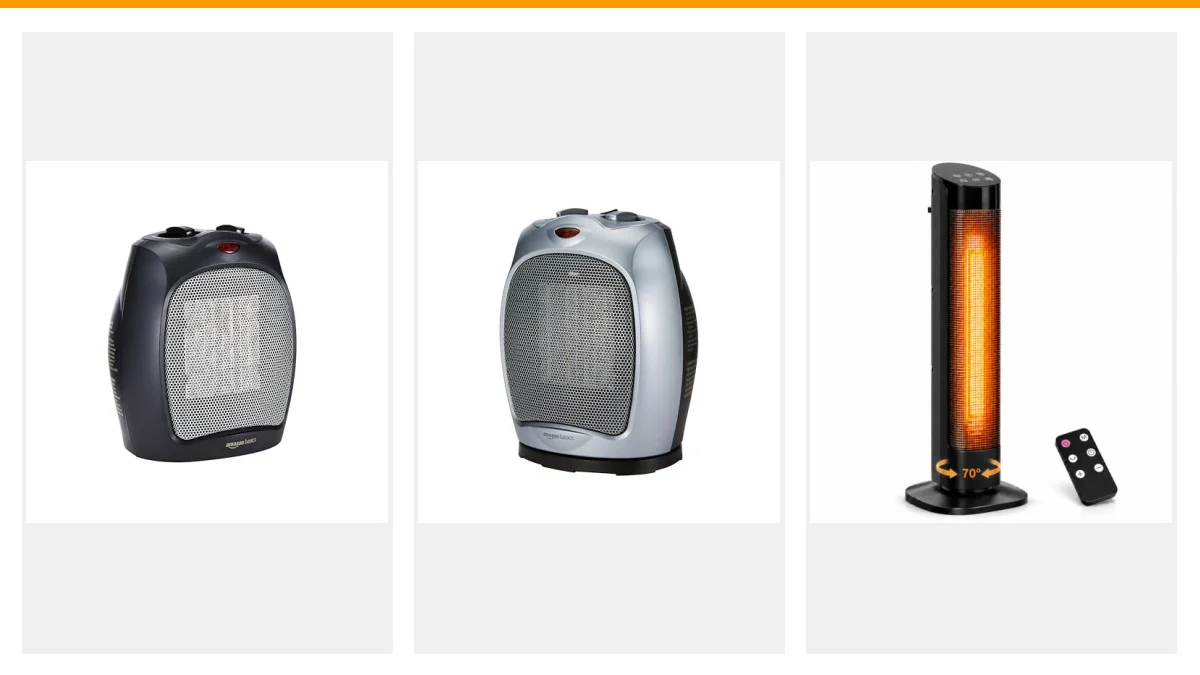
As temperatures drop and winter settles in, many people rely on ceramic heaters to keep their homes warm and cozy. These heaters are popular for their rapid heating capabilities and energy efficiency. However, many users find themselves asking: how can I make a ceramic heater more efficient? Understanding how to optimize your heater’s performance can save you money and ensure you stay comfortable throughout the colder months.
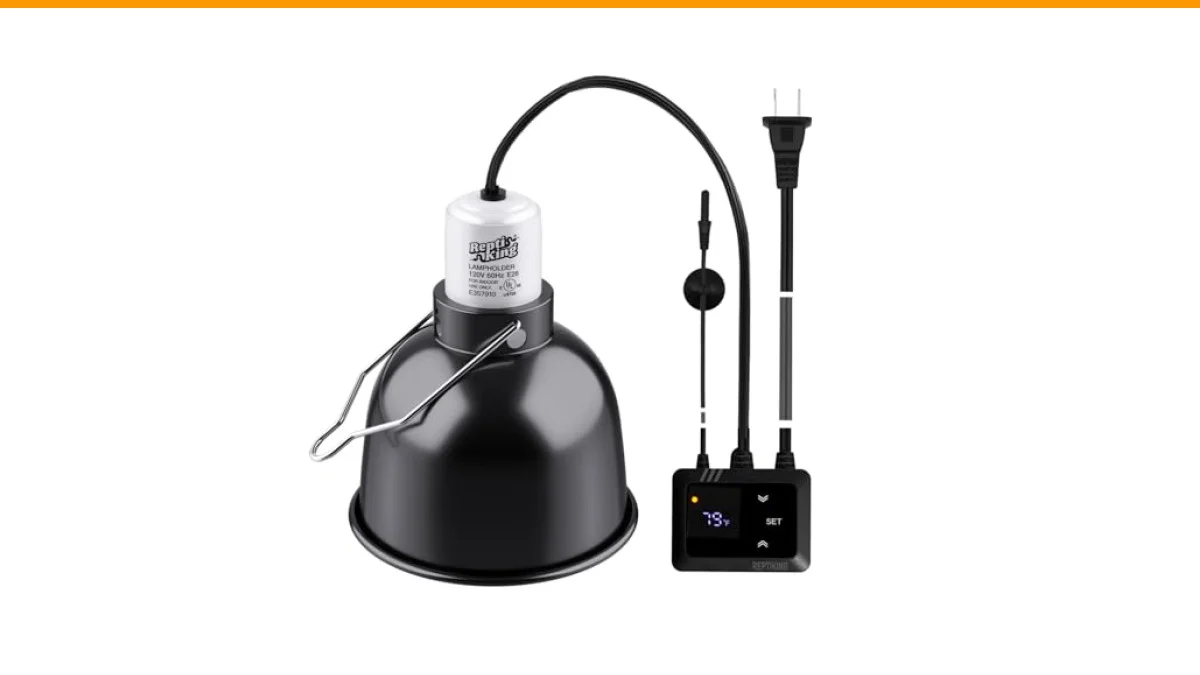
You’ll discover actionable strategies to enhance the efficiency of your ceramic heater. From proper placement to regular maintenance, these tips will help you get the most out of your heating unit. For those using ceramic heaters for pets, such as reptiles, the Reptile Heat Lamp Fixture with Dimming Thermostat offers an excellent solution, combining versatility with precise temperature control for optimal conditions.

ReptiKing
Reptile Heat Lamp Fixture with Dimming Thermostat - 5.5'' Light Dome with PID Thermostat, for Ceramic Heat Emitter & Basking Light Bulb, for Bearded Dragon, Snake, Tortoise, Lizard Tank Accessories
- All-in-One Reptile Heating Solution – This heat lamp fixture combines a durable 5.5'' dome light with a dimming thermostat, perfec…
- Precise Temperature Control – The built-in dimming thermostat allows you to adjust heat output for optimal basking conditions, ens…
- Versatile & Multi-Purpose Use – Works with various heat sources, including ceramic heat emitters, radiant heat panels, and basking…
 The Most Efficient Type of Space HeaterWatch on YouTube
Proper Placement is Key
The location of your ceramic heater plays a significant role in its efficiency. Placing the heater in a corner or near walls can hinder airflow, making it work harder than necessary. Ideally, position your heater in a central location within the room, allowing it to distribute heat evenly. A distance of at least three feet from furniture and walls is recommended to ensure proper airflow.
Additionally, consider angling your heater towards the coldest part of the room. This strategy helps direct warmth where it’s most needed, reducing the heater’s workload. Using fans to circulate warm air can also improve efficiency. A ceiling fan set to reverse can push warm air down, allowing the heater to work less.
Maintain Regular Cleaning
Dust and debris can accumulate on your ceramic heater, obstructing its performance. Regularly cleaning the unit helps maintain its efficiency. Use a soft cloth or vacuum attachment to remove dust from the exterior and the air intake. Make it a routine to check your heater at least once a month during the heating season.
It’s also crucial to inspect the power cord and plug for any signs of wear and tear. A damaged cord can not only hinder efficiency but also pose safety hazards.
Use a Thermostat for Precise Control
Investing in a thermostat can significantly improve your ceramic heater’s efficiency. A thermostat allows you to set and maintain a specific temperature, ensuring the heater only operates when necessary. Many ceramic heaters come with built-in thermostats, but external options are also available. For example, the Reptile Heat Lamp Fixture features a dimming thermostat that adjusts heat output to maintain optimal basking conditions, making it a versatile choice for reptile owners and others.
This setup not only saves energy but also extends the lifespan of your heater by preventing it from running continuously at maximum capacity.
Consider Insulation and Drafts
Insulation quality directly influences a heater’s efficiency. Poorly insulated rooms can lead to significant heat loss. Ensure windows and doors are properly sealed to prevent drafts. Use weather stripping or draft stoppers to minimize airflow around windows and doors. Consider heavy curtains or thermal blinds to retain heat during the night.
In addition, insulating your walls and attic can make a noticeable difference in maintaining warmth. If your ceramic heater is working hard to combat cold drafts, it will consume more energy, reducing overall efficiency.
| Efficiency Method | Description | Benefits |
|---|---|---|
| Proper Placement | Position heater centrally, away from walls and furniture. | Improves airflow, enhances heating efficiency. |
| Regular Cleaning | Dust and debris removal from the heater. | Maintains optimal performance, prevents overheating. |
| Use of Thermostat | Employ a thermostat for temperature control. | Reduces energy consumption, extends heater life. |
| Insulation Improvements | Seal drafts and improve room insulation. | Minimizes heat loss, allows heater to work efficiently. |
Do ceramic heaters use a lot of electricity?
Ceramic heaters can be energy-efficient, especially when used properly. They typically consume between 750 to 1500 watts of electricity, depending on the model. Selecting a heater with a thermostat can help manage power consumption effectively.
How can I tell if my ceramic heater is efficient?
Efficiency can be gauged by how quickly and evenly your ceramic heater warms the room. If you notice hotspots or areas that remain cold, your heater may not be operating efficiently. Regular maintenance and proper placement can also affect performance.
Is it safe to leave a ceramic heater on overnight?
Most modern ceramic heaters are designed with safety features, such as tip-over protection and automatic shut-off. However, it’s always wise to follow the manufacturer’s instructions regarding safe use. If you have concerns, consider using a timer or a thermostat.
Can I use a ceramic heater for my pets?
Yes, ceramic heaters are commonly used in reptile enclosures. The Reptile Heat Lamp Fixture is a good choice, as it provides precise temperature control, allowing you to maintain optimal conditions for your pets.
What is the average lifespan of a ceramic heater?
The average lifespan of a ceramic heater is typically around 5 to 10 years with proper maintenance. Regular cleaning and avoiding overuse can extend its life significantly.
Final Thoughts
- Place your ceramic heater centrally and away from obstructions.
- Regularly clean the heater to maintain optimal performance.
- Utilize a thermostat for precise temperature control.
- Seal drafts and improve insulation in your home.
- Check the power cord and plug for safety regularly.
- Consider using fans to circulate warm air.
- Invest in a quality fixture like the Reptile Heat Lamp for versatile heating options.